Techniques / Printing
Embossing
We treat embossing as a precise science: artistry merged with engineering for a tactile experience that's unmatched. A custom copper or brass die presses your design up out of the sheet, turning a printed piece into an object that invites touch.
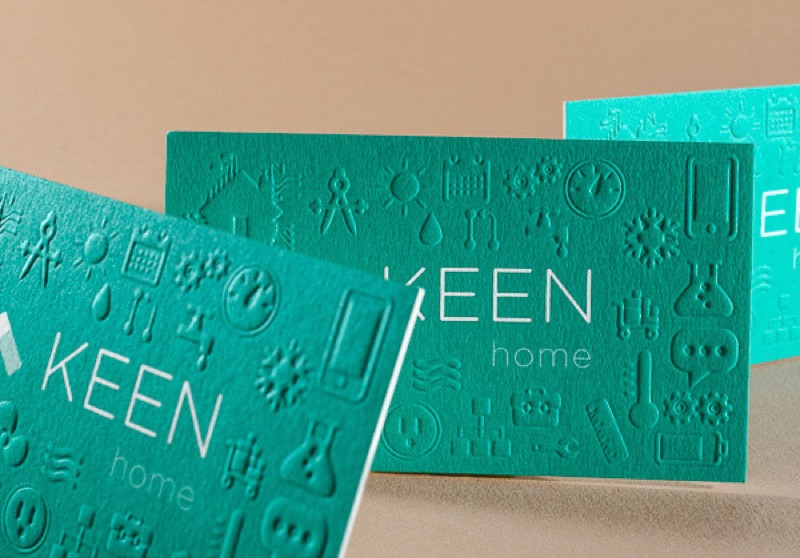
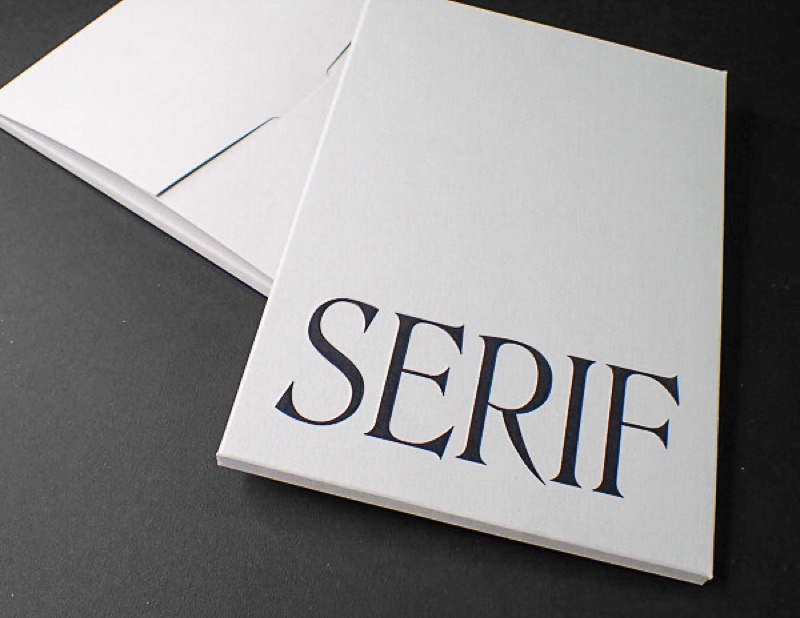
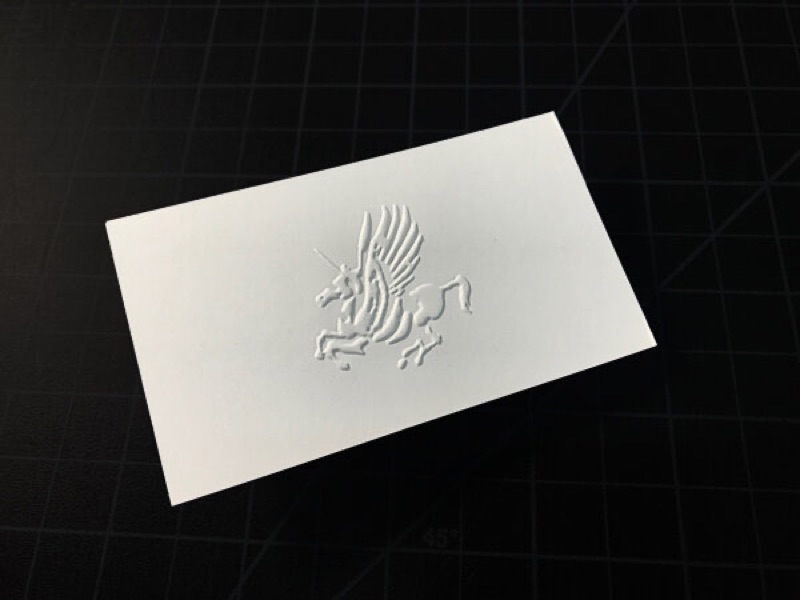
Single-level embossing raises a uniform surface. Subtle texture and depth for logos and type. Sculptured embossing uses varying levels of relief for a multi-dimensional effect, like a topographical map of your design. Both rely on meticulously crafted metal dies that keep every element sharp, consistent, and perfectly executed.
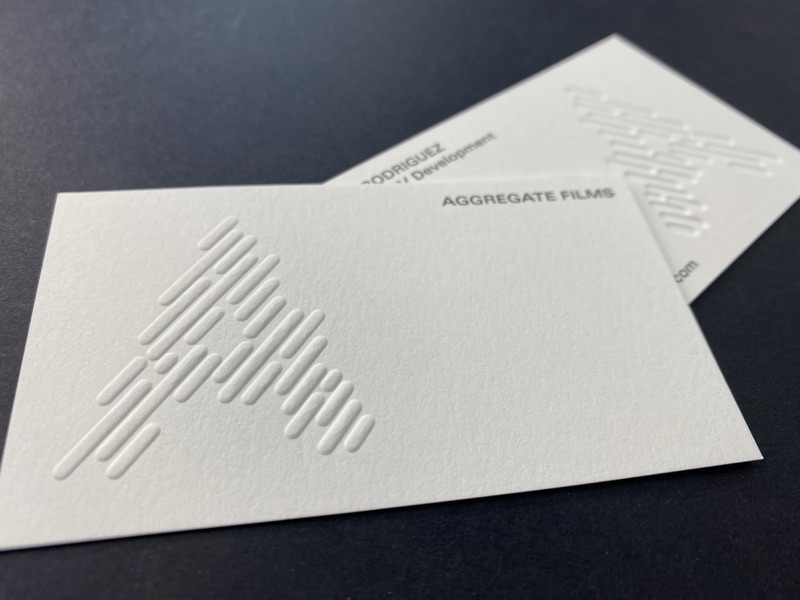
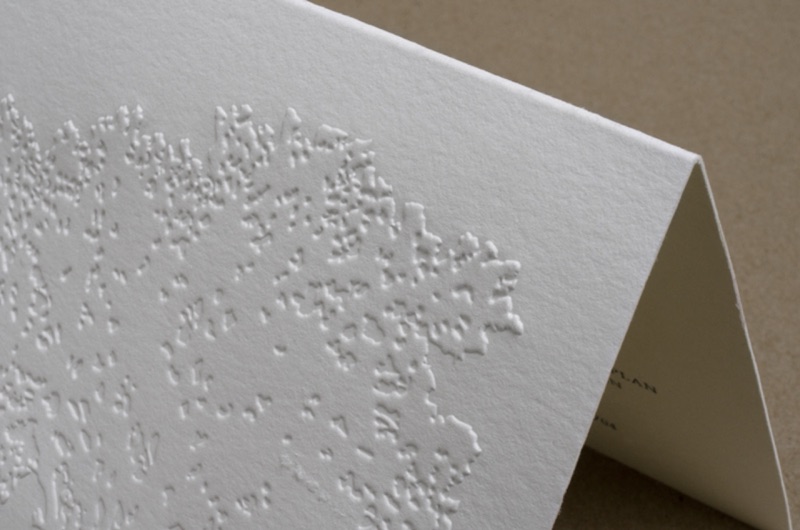
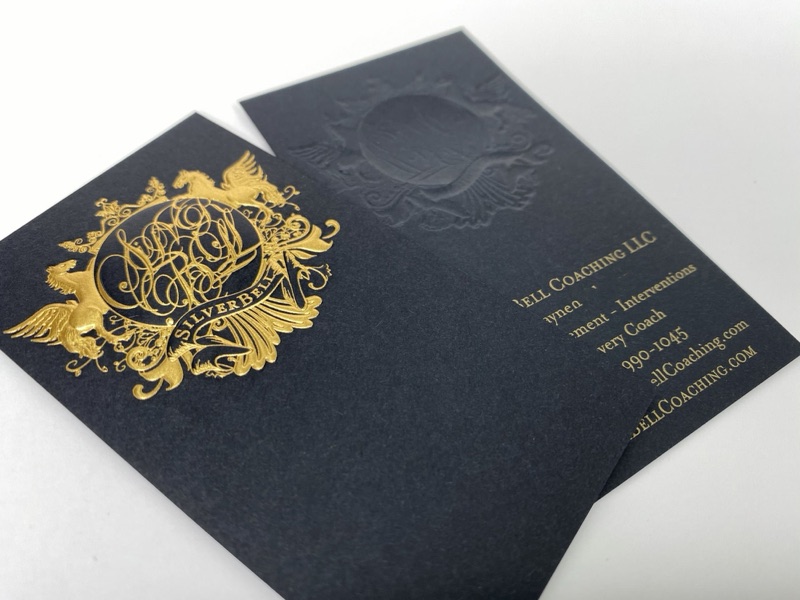
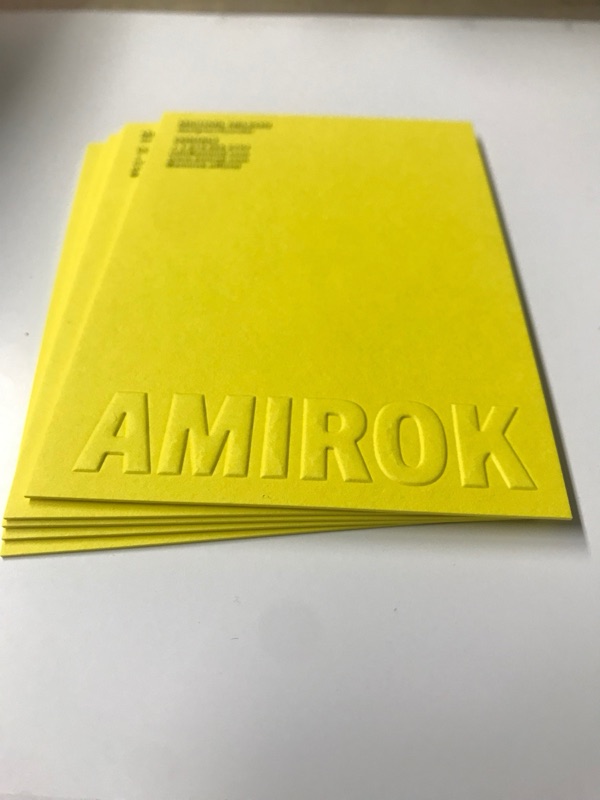
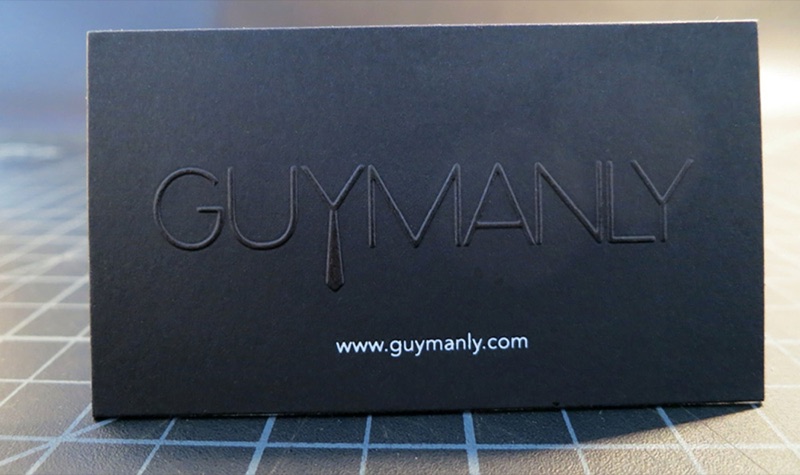
Blind emboss (no ink, no foil) reads as pure sculpture and is the most subtle type of luxury. Registered with foil, embossing produces a raised color design that catch light from every angle. On black paper, light and shadow create dramatic effects.
One note: very fine text and hairline details don't emboss well; create your design with bold lines and larger logos to make the most of the technique.
What embosses best
- Logos & monograms: bold marks with real dimension, blind or foiled.
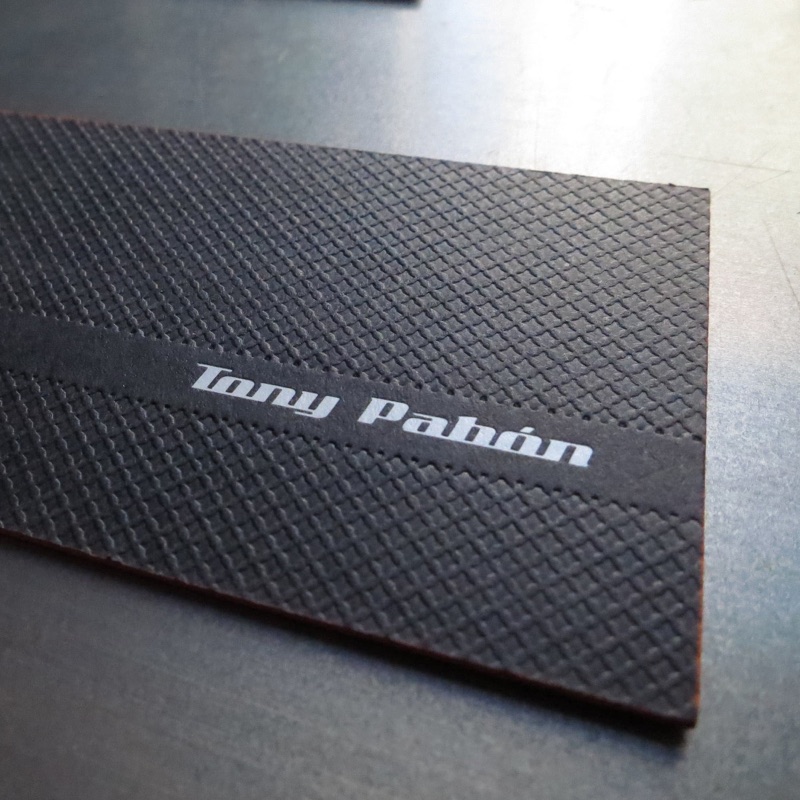
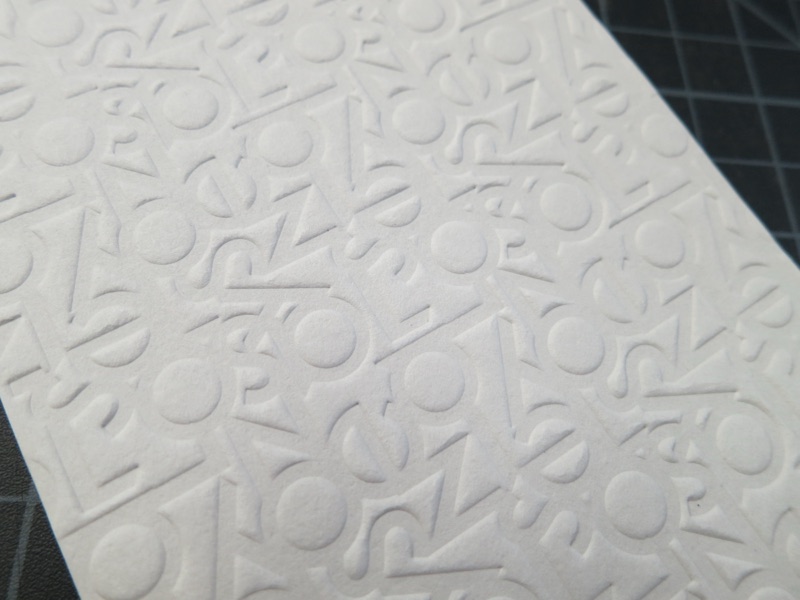
- Patterns: all-over embossed textures that turn a flat sheet into a surface.
- Labels & packaging: Shelf presence you can feel before you read.
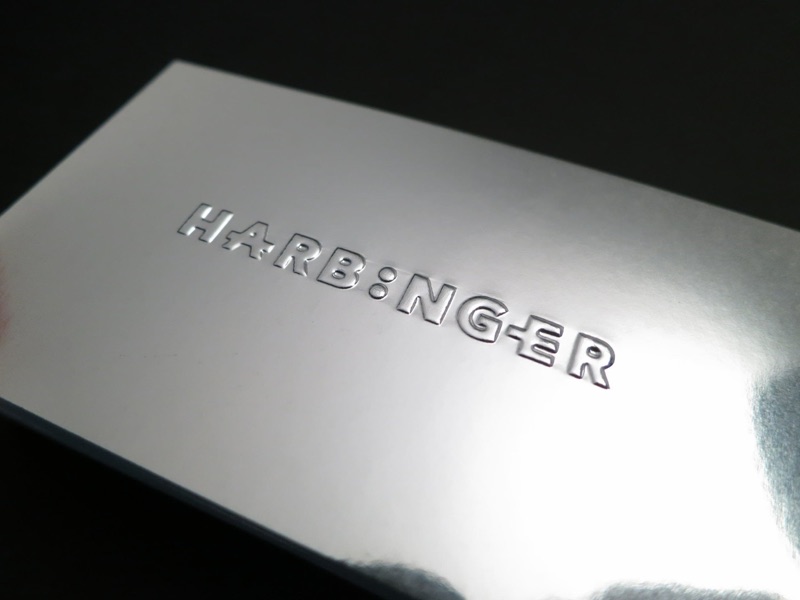
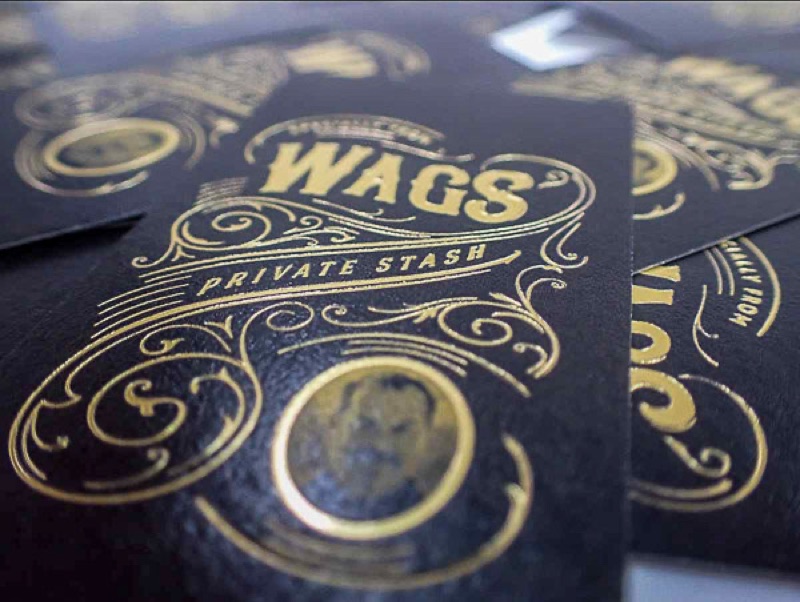
- Registered foil emboss: raised metallic marks that catch light from every angle.
Embossing samples
FAQ
Embossing or debossing?
Embossing raises the design out of the sheet; debossing presses it in. Same custom die craft, opposite personalities.
What is a blind emboss?
Raised relief with no ink or foil, pure sculpture, read entirely in light and shadow. On black paper it's the definitive quiet-luxury move.
How fine can embossed detail go?
Honest answer: not hairline. Very fine text and thin rules don't emboss accurately; design with bold marks and let the dimension carry the piece.
Can embossing combine with foil?
Yes. A registered foil emboss stamps and raises in one aligned hit, so the metallic mark sits proud of the sheet.