Techniques / Printing
Debossing
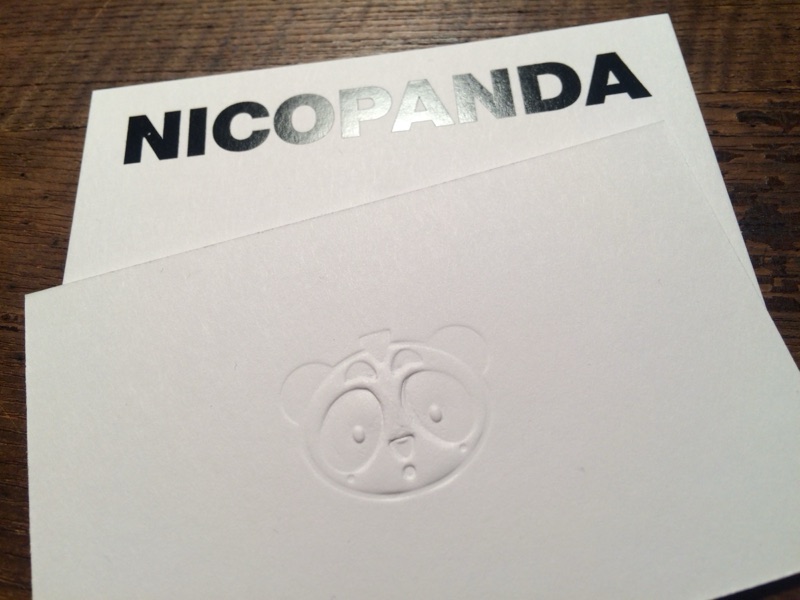
Debossing is embossing's counterpoint: the die presses your design down into the material, compressing it into recessed relief. The result is subtle but unmistakable: an indentation you can feel as well as see.
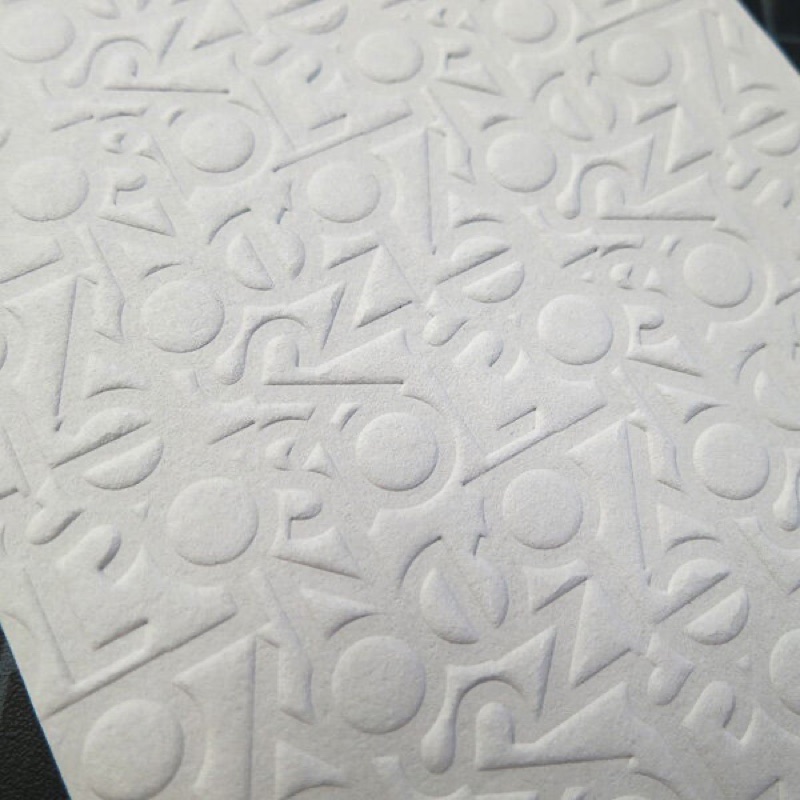
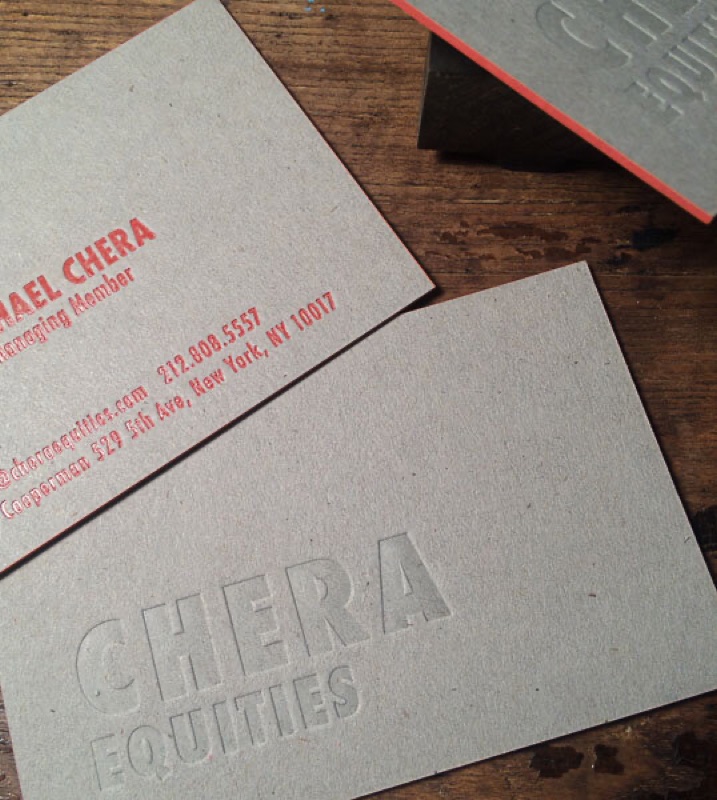
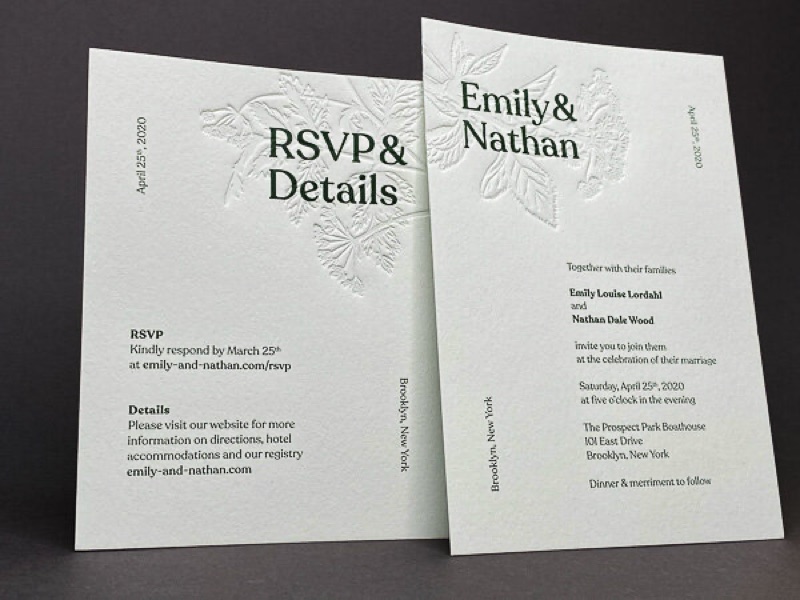
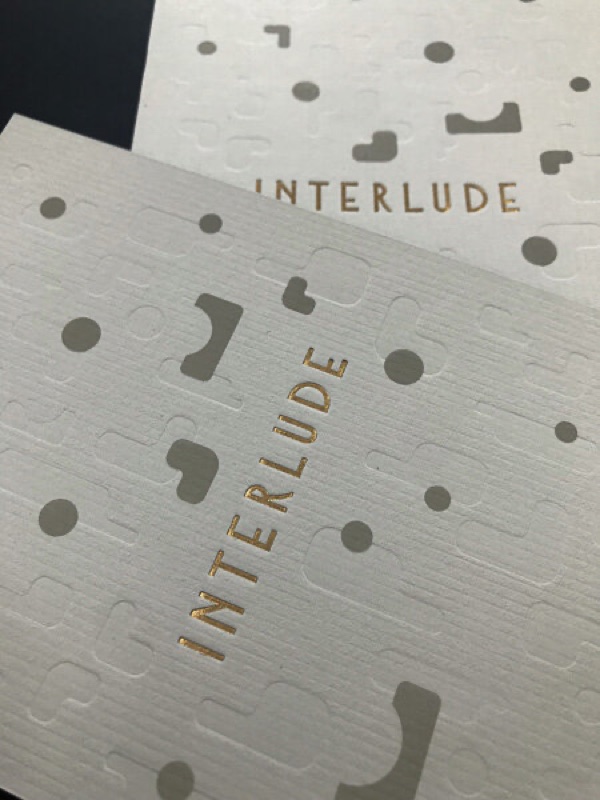
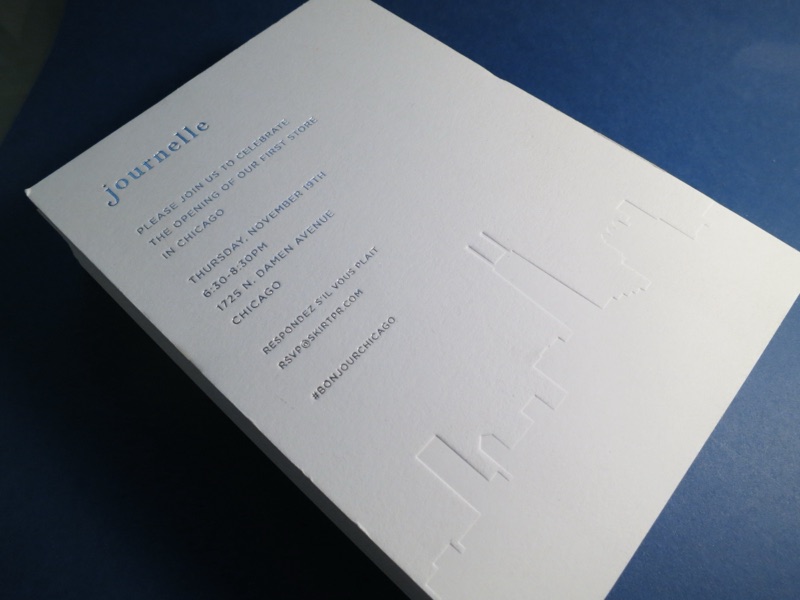
Debossing excels at highlighting logos, monograms, and patterns, without detracting from the rest of the design. It pairs beautifully with letterpress ink (a debossed pattern under printed type), with foil in the recess, or completely blind on thick cotton stock where shadow defines the mark.
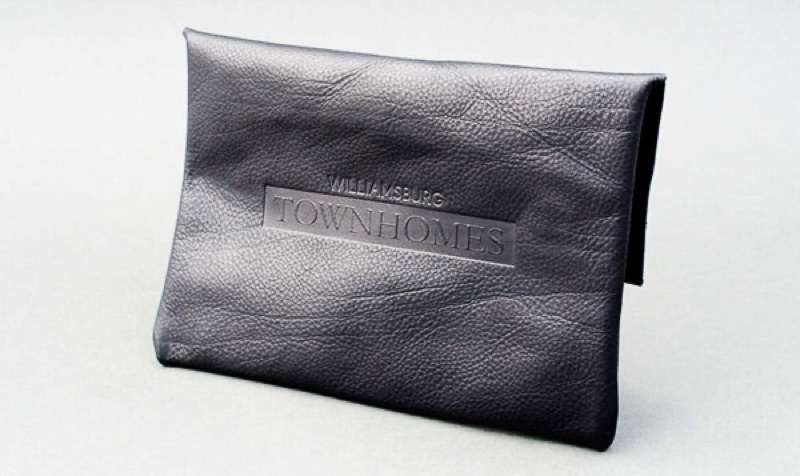
It also works where embossing can't: on leather and other thick materials, when a deep, clean stamp is the desired result. Soft, heavyweight papers take the deepest impression: the thicker the stock, the more sculptural the result.
Blind, inked & foiled
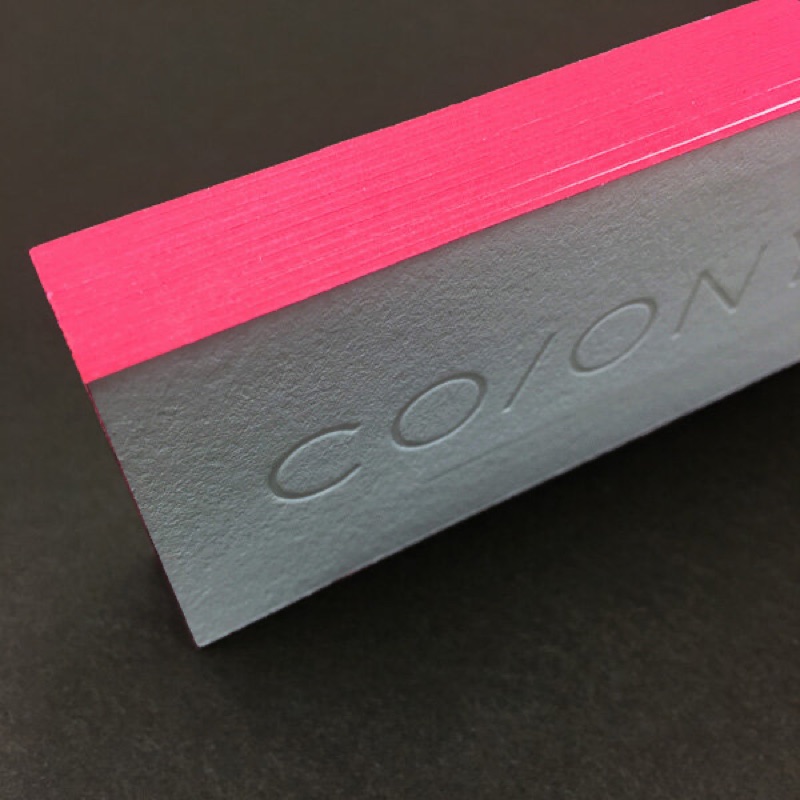
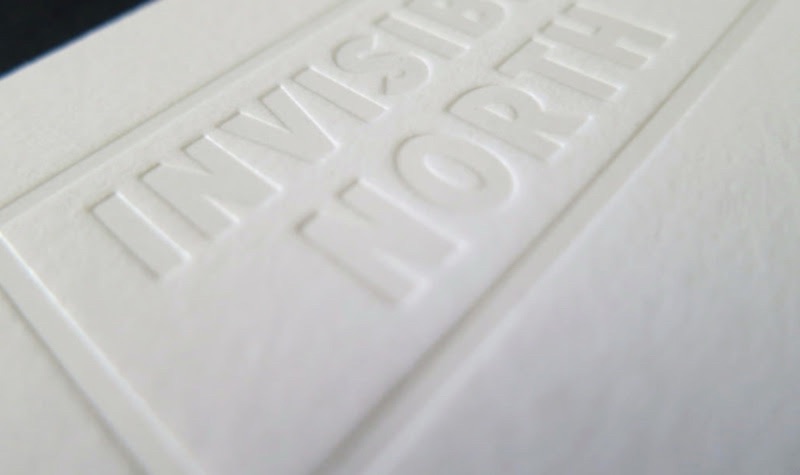
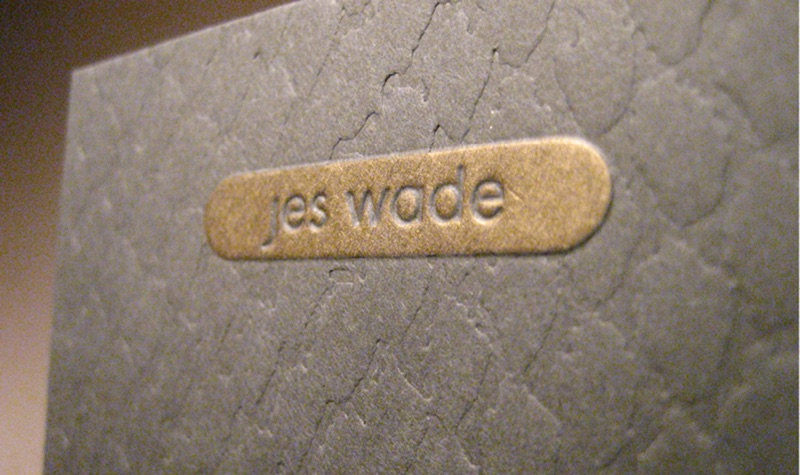
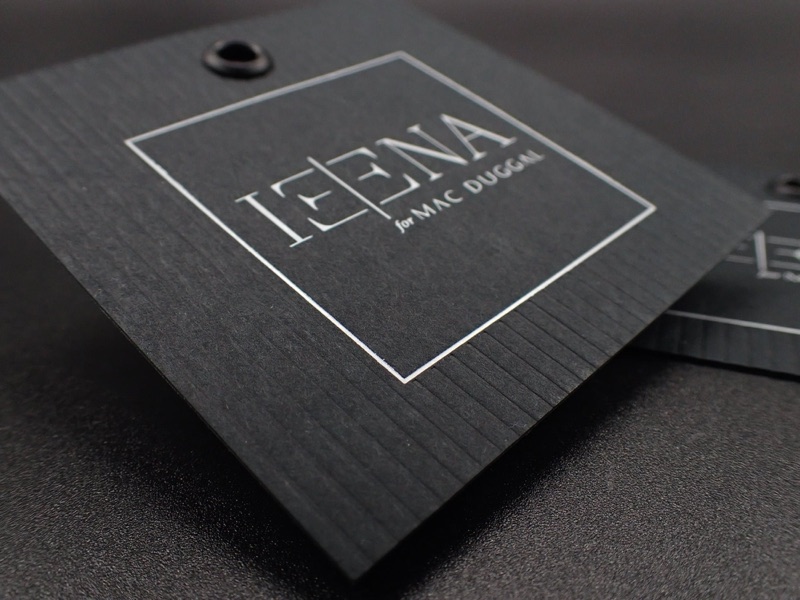
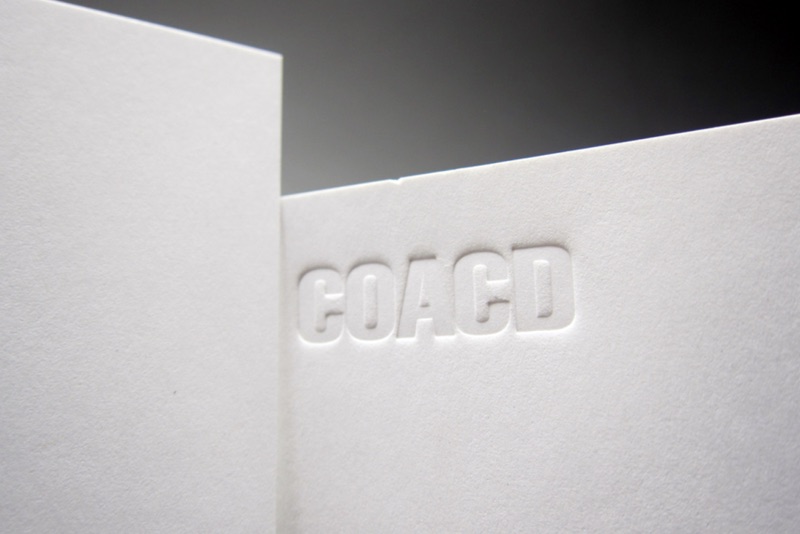
A deboss runs three ways. Blind (no ink, no foil) is the quietest luxury in the shop: the mark reads entirely in shadow, and thick cotton makes it sculptural. Inked pairs the recess with letterpress color for depth you can see and feel. Foiled drops gold, silver, or a color hit into the recess, so the mark sits low and lit: a favorite on hang tags and dark stocks.
What debosses best
- Business cards: Blind-debossed logos on thick cotton, often with a painted edge for the color.
- Invitations: debossed patterns under printed type; skyline and motif work.
- Leather goods: pouches, covers, and wallets where a deep, clean stamp is the whole point.
- Hang tags & packaging: tactile branding that survives the retail floor.
Debossing samples
FAQ
Debossing or embossing?
Same die logic, opposite direction: embossing raises the design out of the sheet, debossing presses it in. Deboss reads as restraint; emboss reads as dimension.
What is a blind deboss?
A deboss with no ink or foil at all, just the recessed mark and its shadow. On soft, heavyweight cotton it's the quietest kind of luxury.
Will the impression show on the back?
On a single thin sheet, a deep deboss can bruise the reverse. Thick and duplexed stocks absorb the hit cleanly. One more reason the technique loves heavyweights.
Can you deboss leather?
Yes; it's one of the few techniques that gets better on thick materials. See leather stamping.