Techniques / Printing
Digital Printing
Digital is how specialty work turns around in days: state-of-the-art HP Indigo output with color fidelity and razor-sharp reproduction down to the finest detail: no plates, no long-run minimums.
Where trade printers use digital to cut corners, we use it to extend range. Short runs of books and zines, variable-data pieces where every card is different, proofs and prototypes before a big offset run, and rush work where the deadline rules out platemaking.
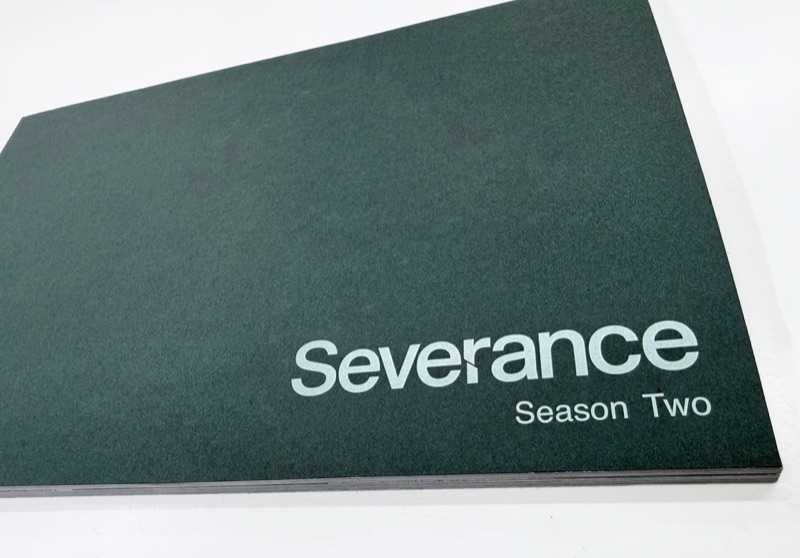
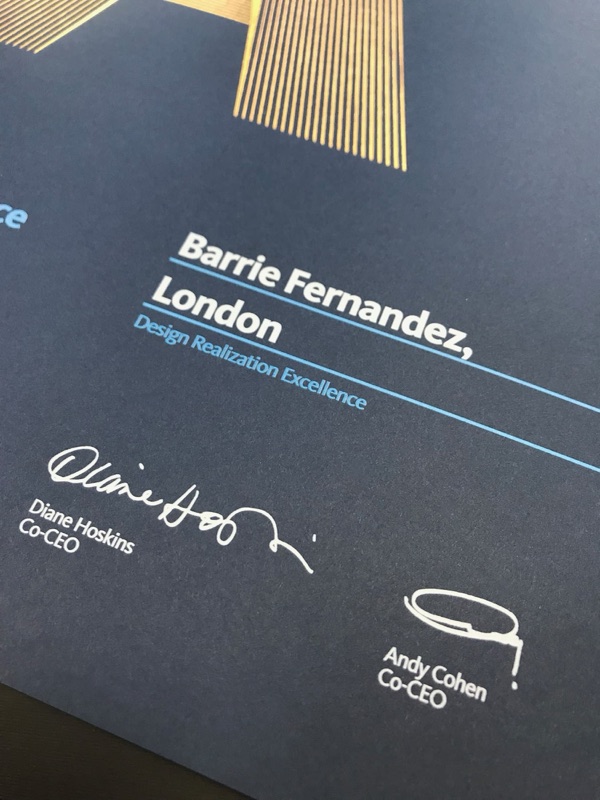
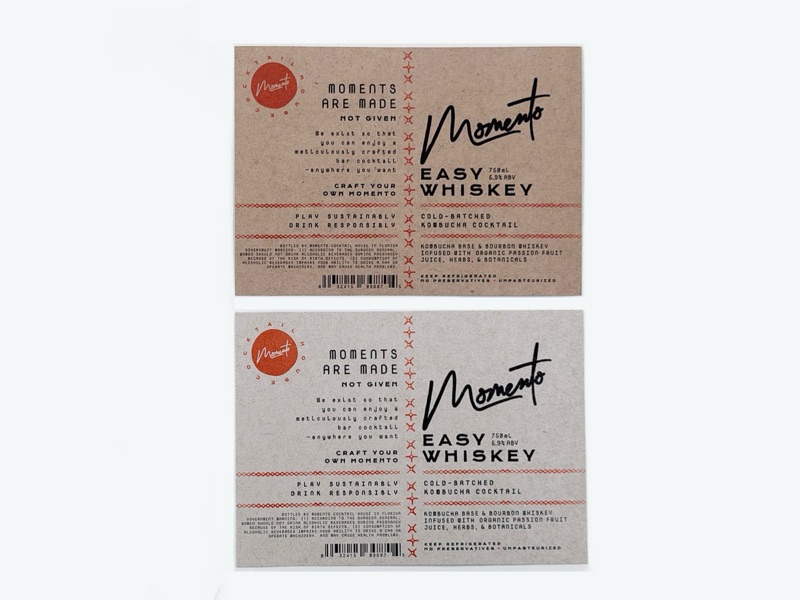
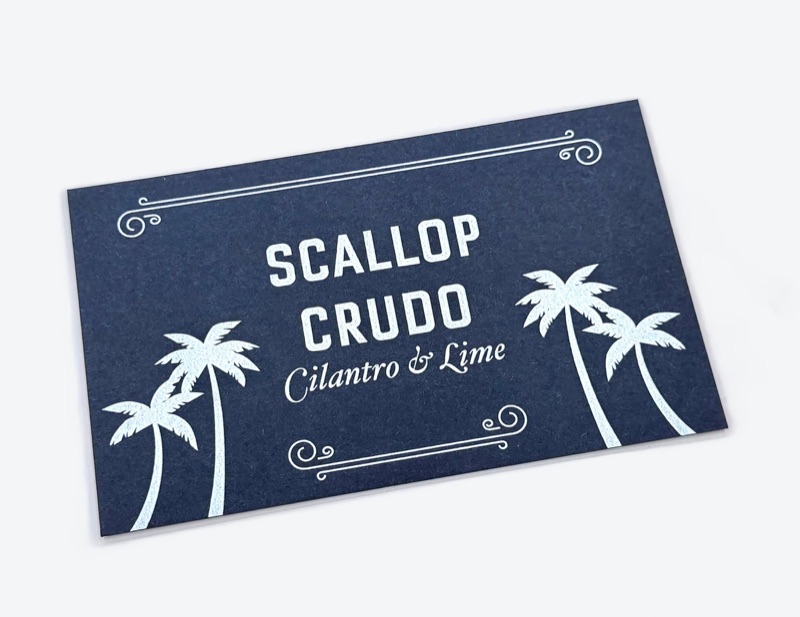
Digital white ink is the secret weapon: opaque white printed digitally onto dark and colored stocks, including kraft and specialty papers, with the speed of digital and the drama of white ink. And digital pairs with every finishing technique in the shop: foil, emboss, die cutting, edge paint.
When to choose digital
- Short runs and fast turnarounds
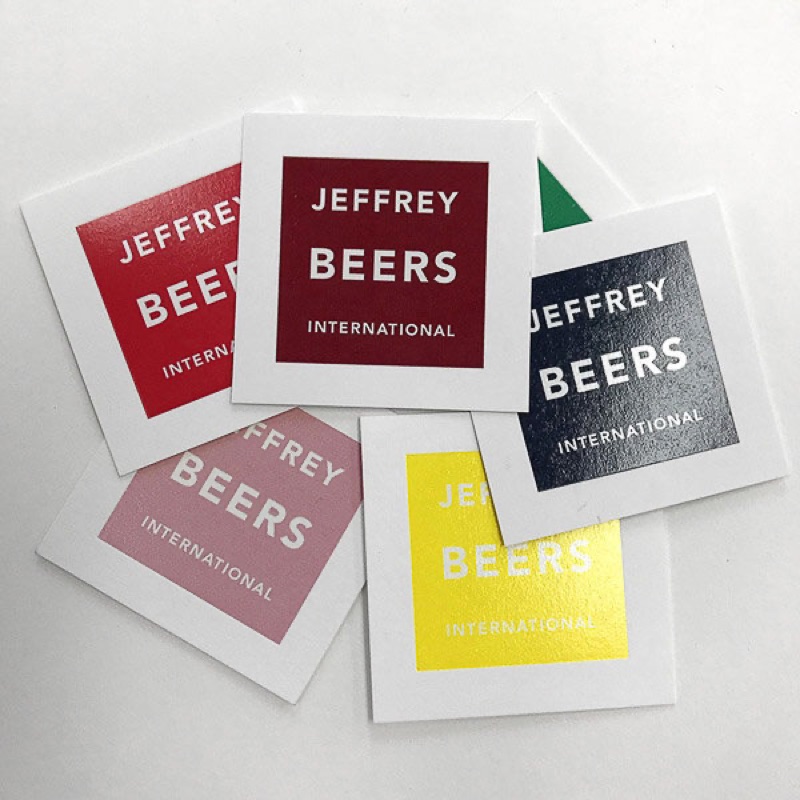
- Variable data, names, numbers, one-of-one pieces
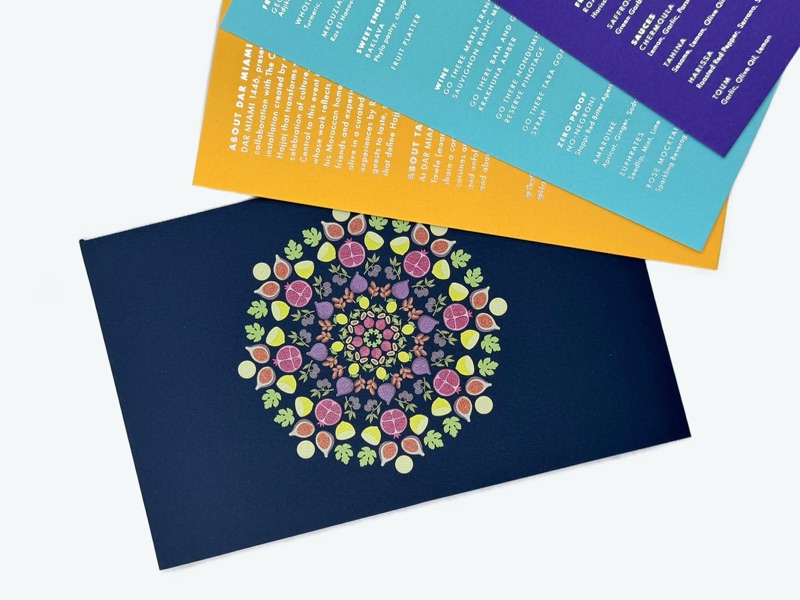
- White ink and CMYK on colored and specialty stocks
- Prototypes and proofs before committing to offset
Small runs on real stocks
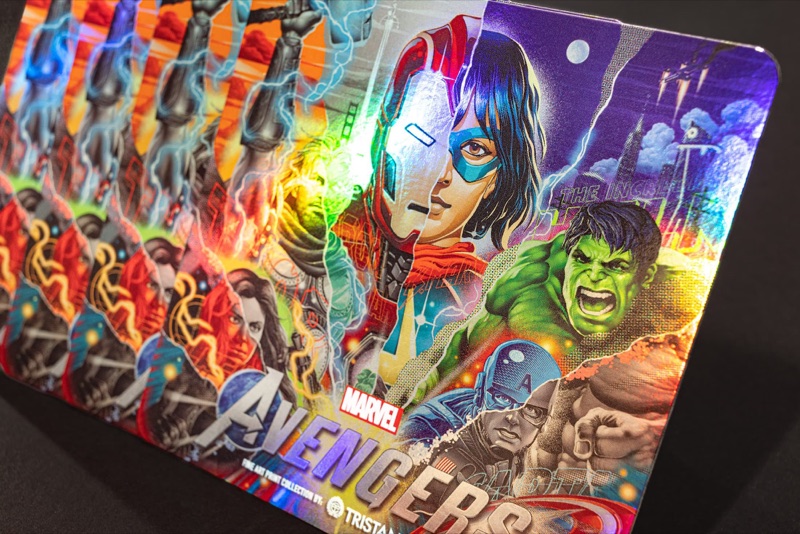
The Indigo prints on real paper, not "digital stock": cottons, colored sheets, kraft, even holographic and mirror papers. So a 50-copy run still feels like a Publicide piece, and a digital dummy on the actual paper is how we proof a book before a big offset commitment.
Digital printing samples



FAQ
Digital or offset?
Digital wins on speed, short runs, and variable data; offset wins on exact Pantone color, big floods, and volume. Same shop either way: we'll tell you honestly which your project wants.
Can digital print white ink?
Yes. Opaque digital white onto dark and colored stocks, alone or as a base layer under CMYK. It's the fast path to white ink drama.
How fast can a digital run turn?
Days, not weeks, no plates to make. When the deadline is brutal, see rush printing.
What is variable data printing?
Every piece different: names, numbers, one-of-one artwork; printed in a single run without slowing down.