Techniques / Printing
Halftone Printing
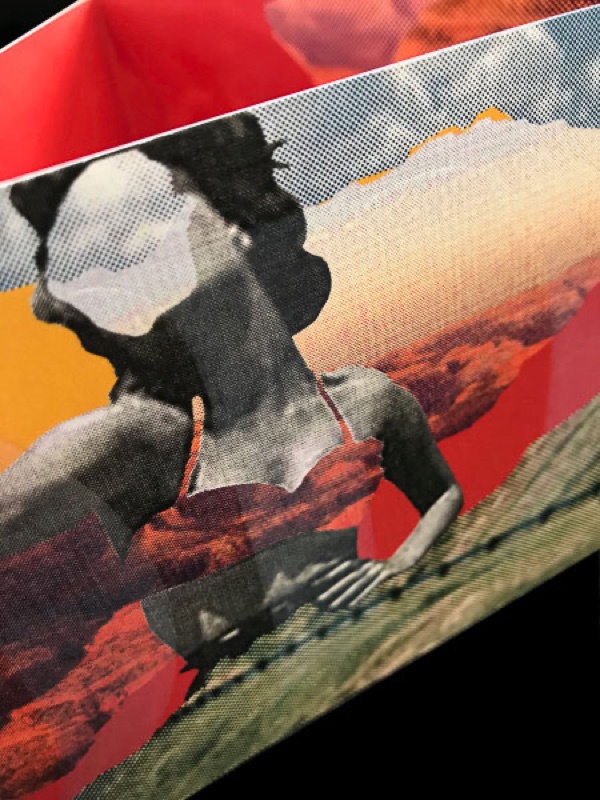
Unlock the full spectrum of grayscale and spot-color range. Halftone converts continuous-tone images into dots and lines of varying size and spacing; reproducing intricate shades with a depth and texture that flat process printing can't deliver.
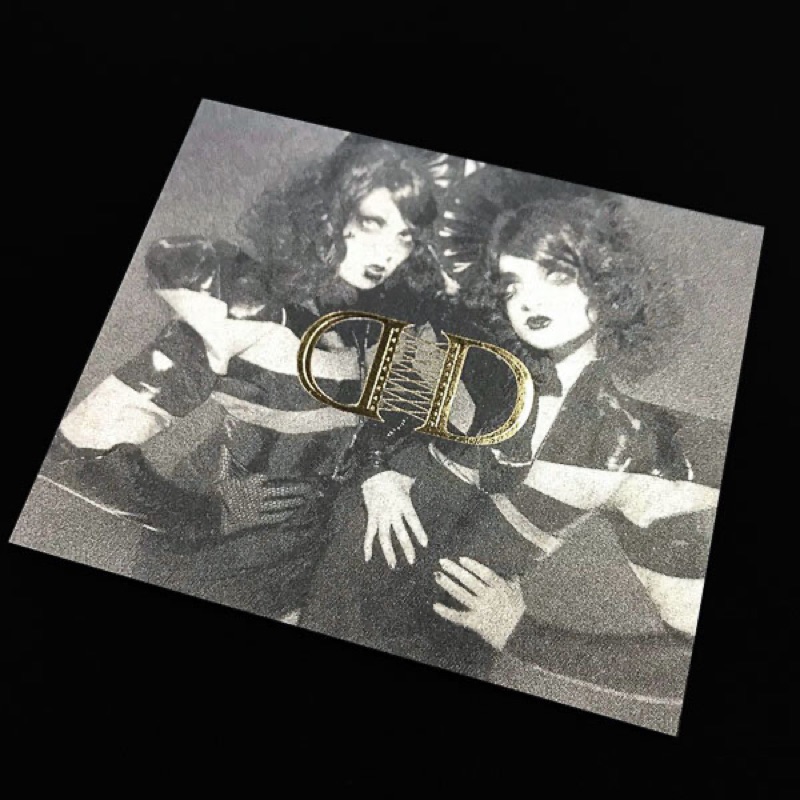
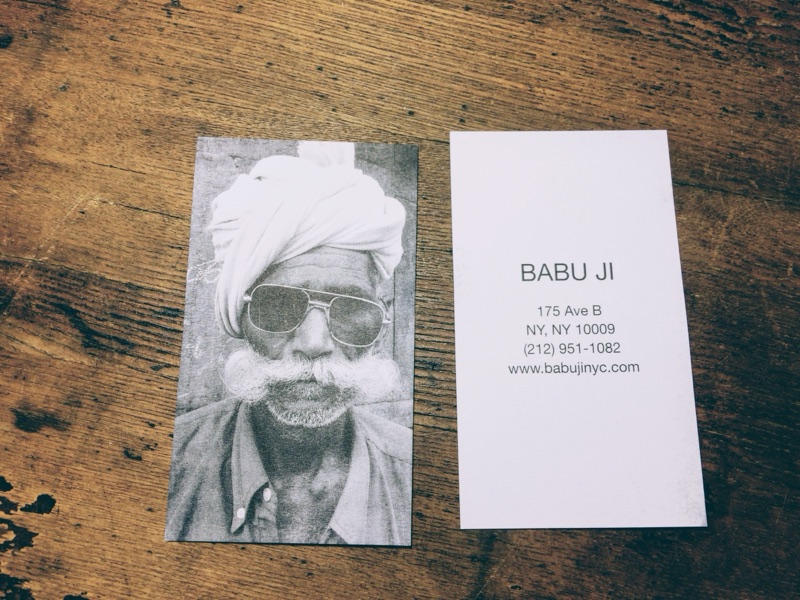
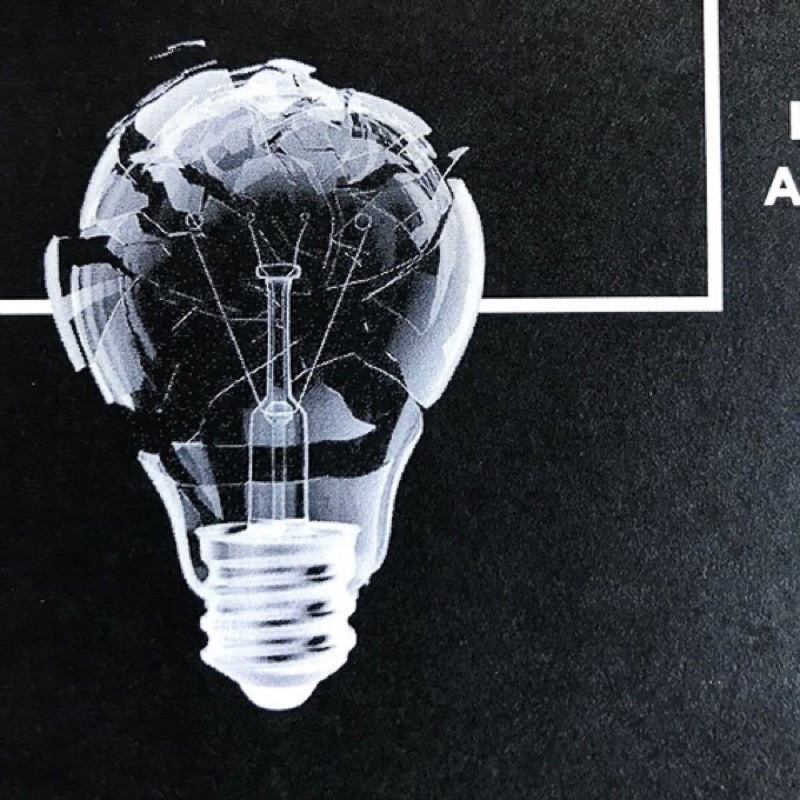
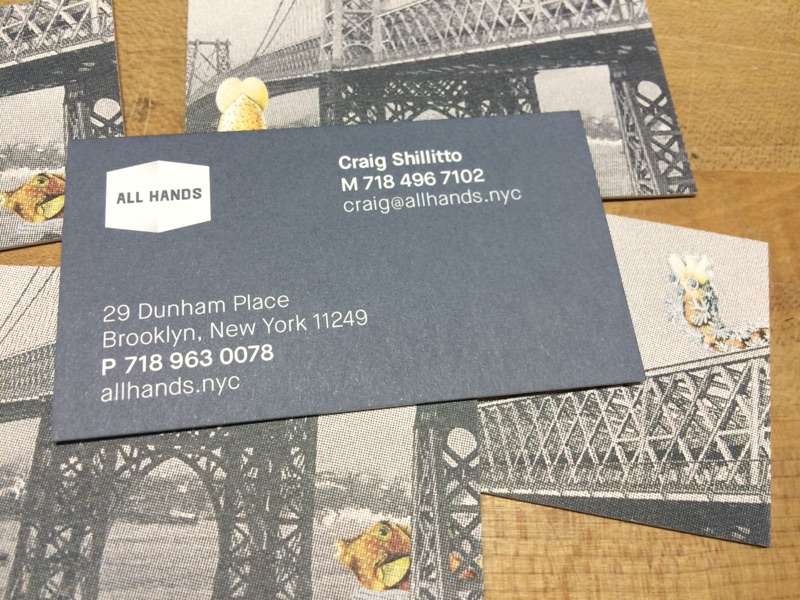
The technique is ideal for black-and-white photography and fine-art reproduction, where tonal range is everything, and as a visible design element, where the dot pattern itself becomes the aesthetic. Enlarged halftones over foil or on colored stock give artwork a graphic, screenprinted aesthetic.
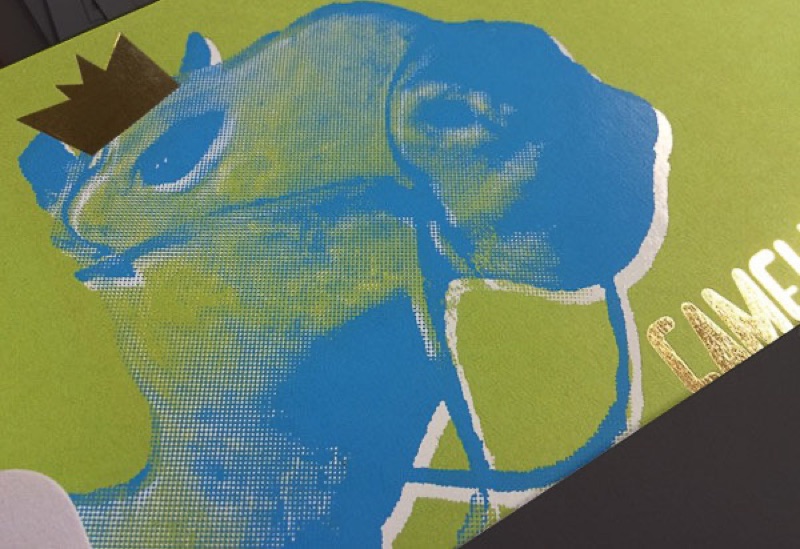
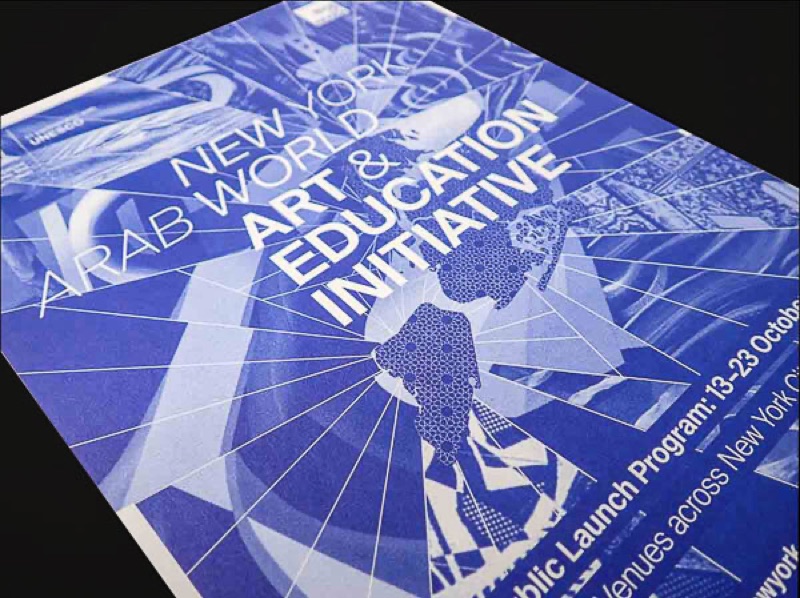
Duotone pushes further: two contrasting ink colors are overlaid for a stylized, emotionally rich result, one of our favorite looks for posters, book plates, and album-art-adjacent work. Run it through offset with hand-picked PMS inks (including fluorescents), the combinations are limitless.
Where halftone shines
- Black-and-white photography: posters, book plates, and portrait cards with real tonal depth.
- Duotone editorial: Two-ink spreads with the emotional register of a film still.
- The visible dot: enlarged halftones as the design itself, screenprint energy on press.
- Fine-art reproduction: intricate shades held through the whole run.
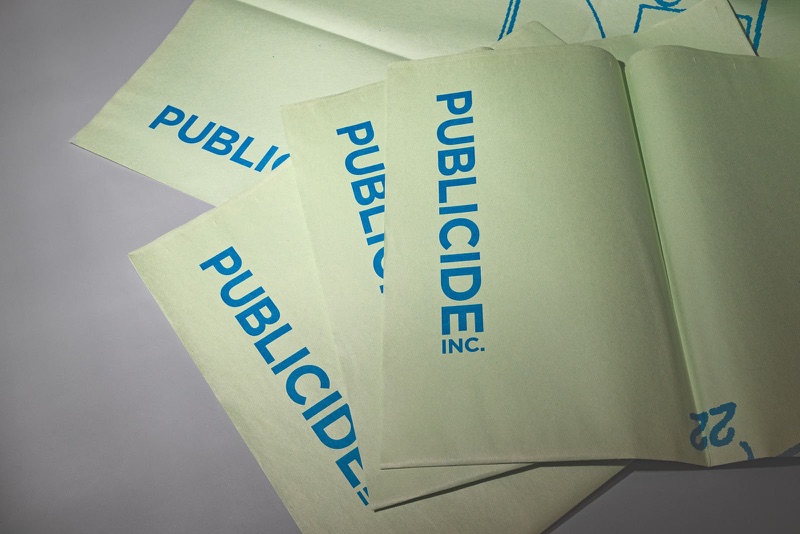
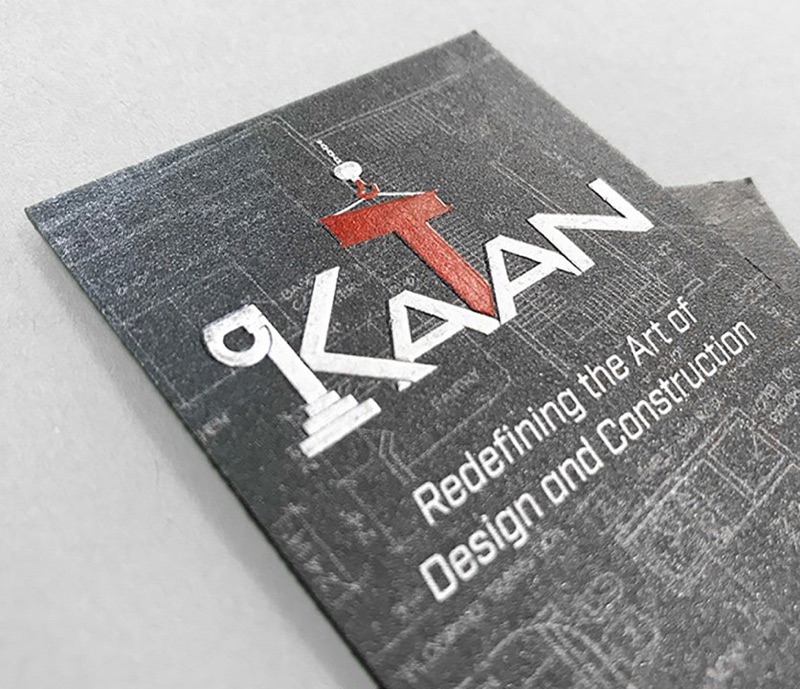
Halftone printing samples

FAQ
What is halftone printing?
Continuous-tone images converted into dots and lines of varying size and spacing: how ink on paper reproduces a photograph's full tonal range.
What is duotone?
The same image run in two overlaid ink colors (usually a dark and a hue) for a stylized, emotionally rich result. One of our favorite looks for posters and art books.
What file should I supply?
The highest-resolution continuous-tone original you have. We handle the halftone conversion, screen choice, and ink pairing on our end.
Can halftones run in specialty inks?
Yes. Halftones and duotones print in hand-picked PMS inks, fluorescents and metallics included.