Mirror Paper
Mirror and reflective papers respond directly to light and movement: chrome finishes and holographic surfaces shift with angle and environment. Printing on them is an exercise in control, and control is our thing.
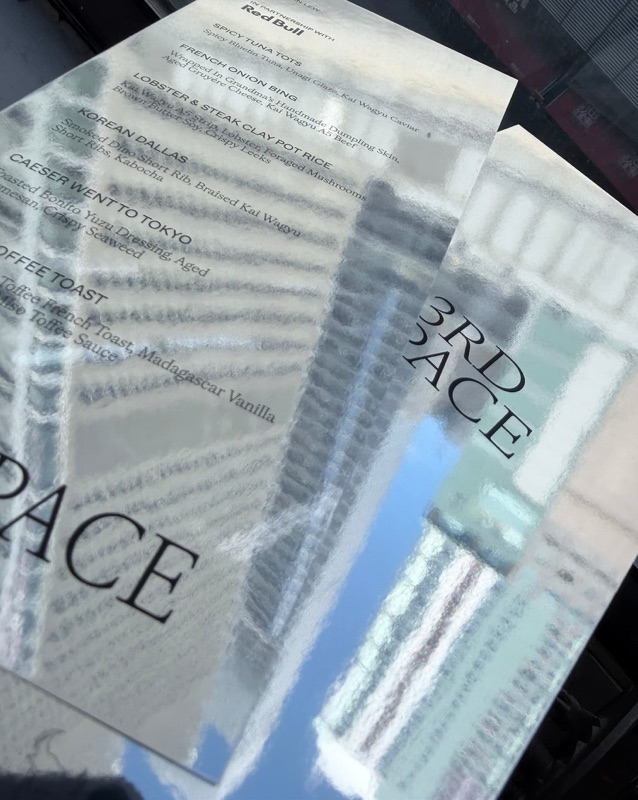
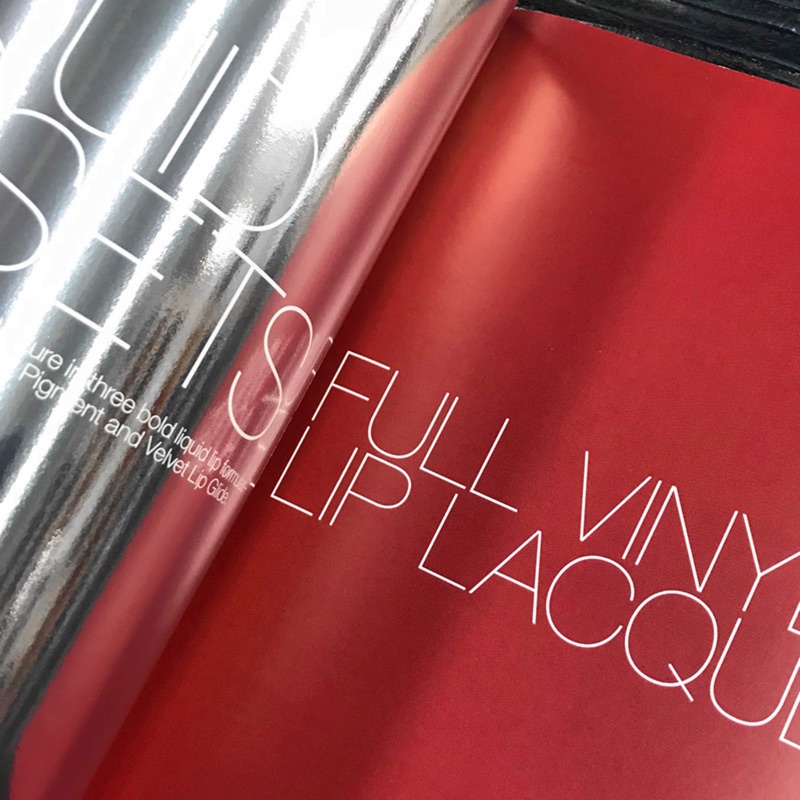
Mirror paper is polished to a true reflection; ink coverage and placement are carefully managed to preserve the mirror while keeping the design crisp. Holographic paper breaks light into shifting color and pattern: artwork has to read clearly without fighting the surface. Chrome and metallic reflectives sit between the two, light-reactive with contrast that has to be managed sheet by sheet.
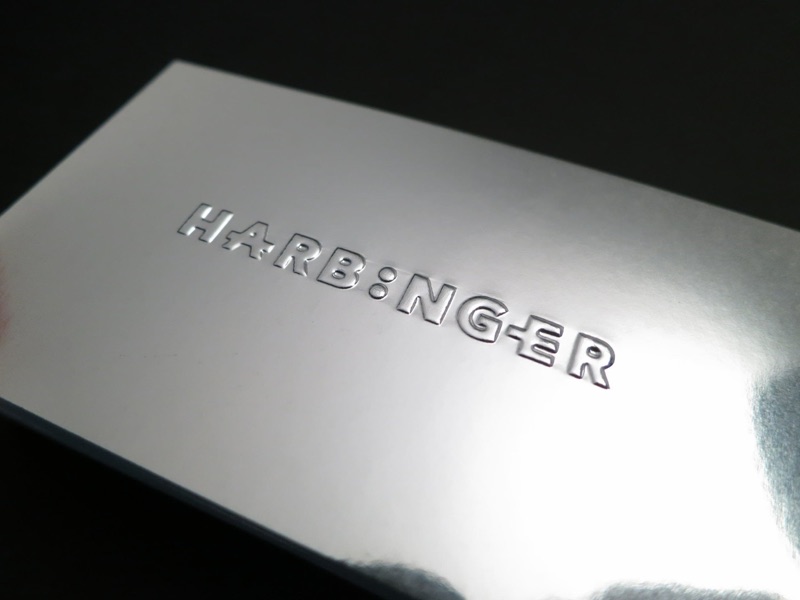
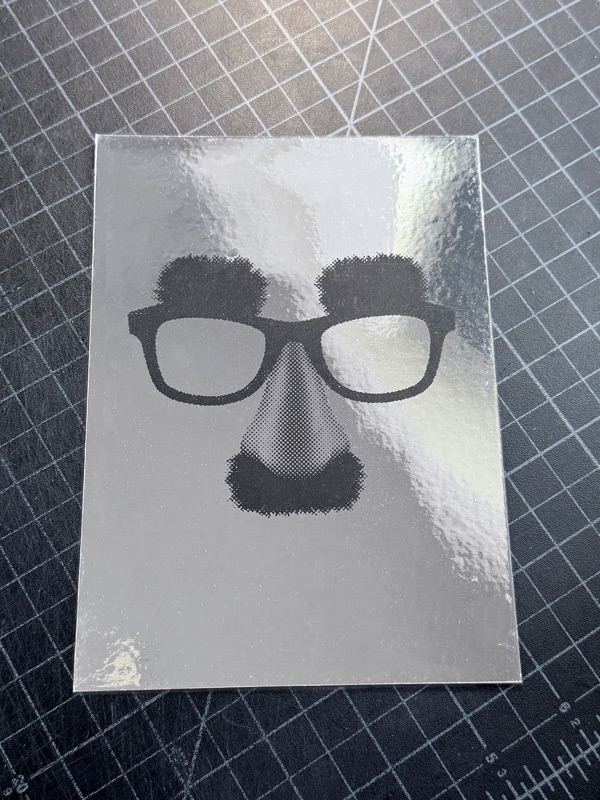
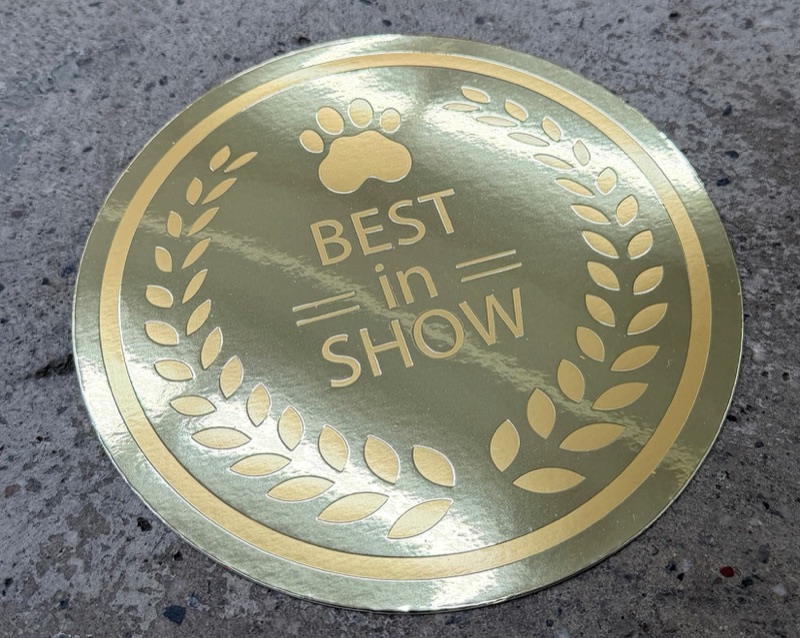
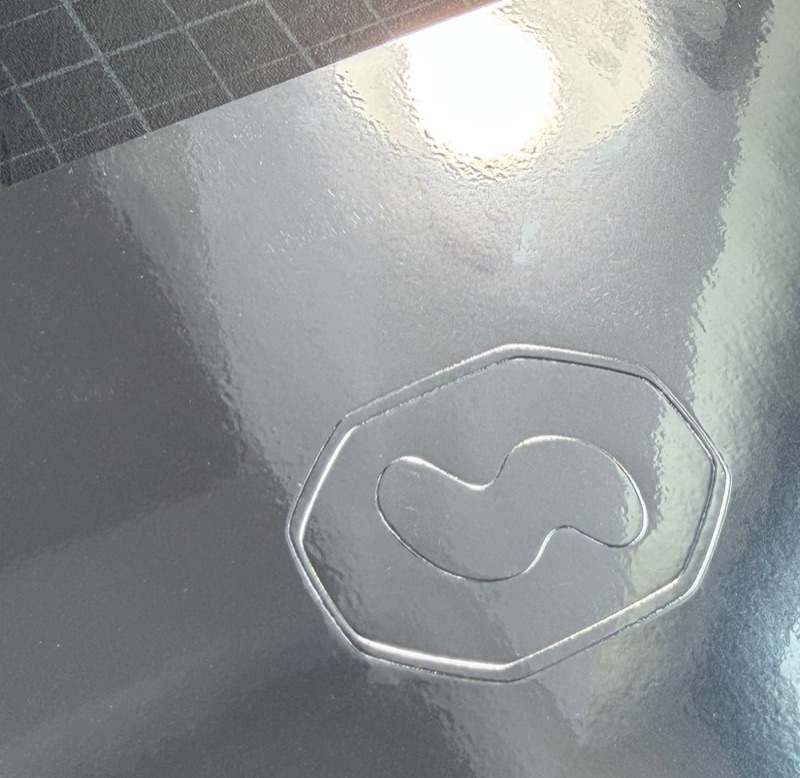
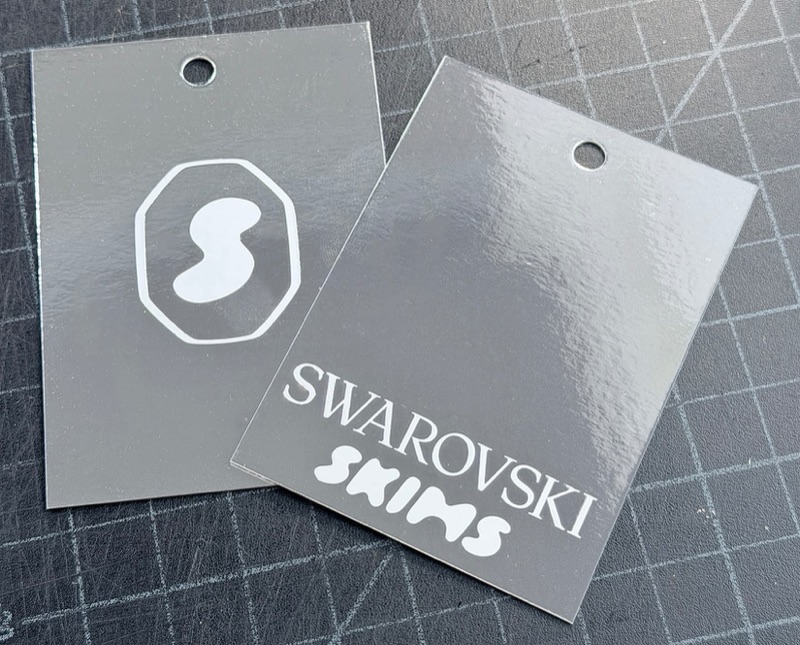
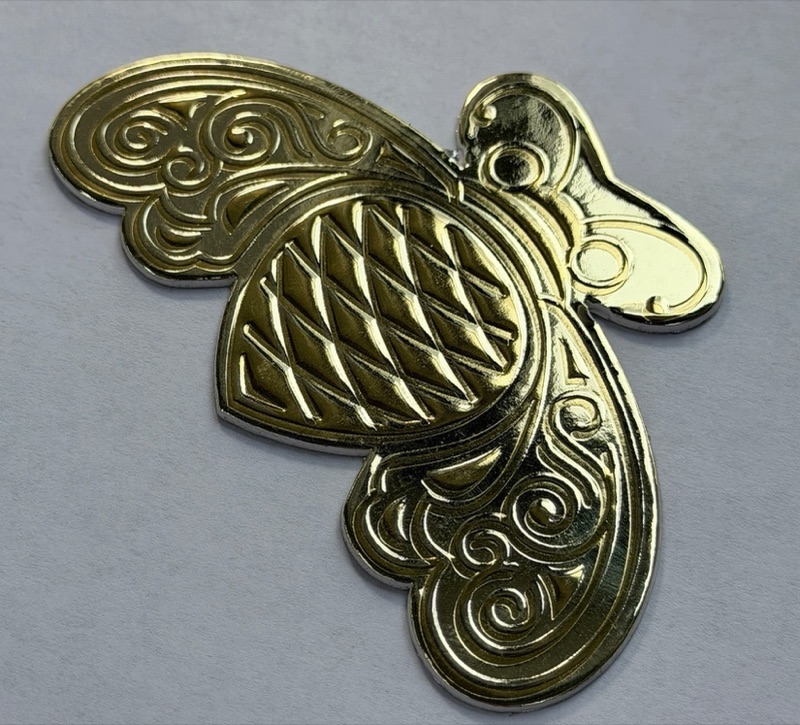
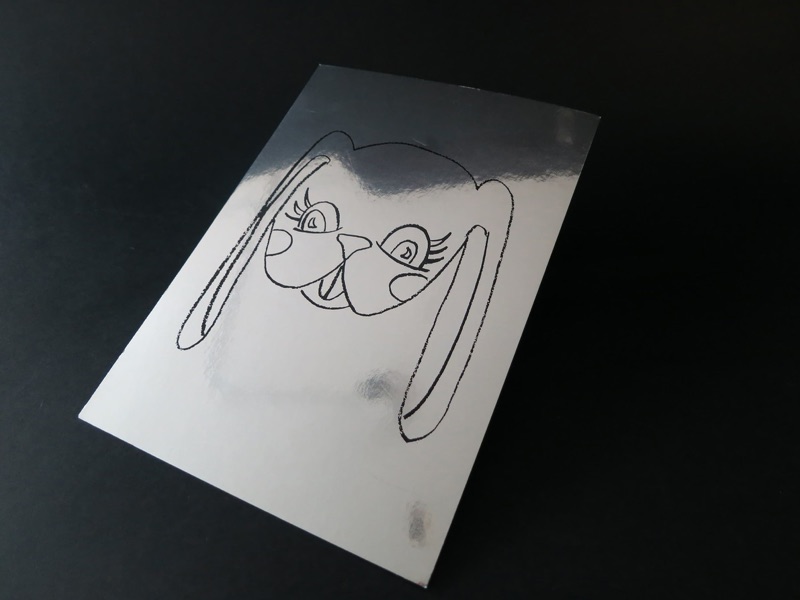
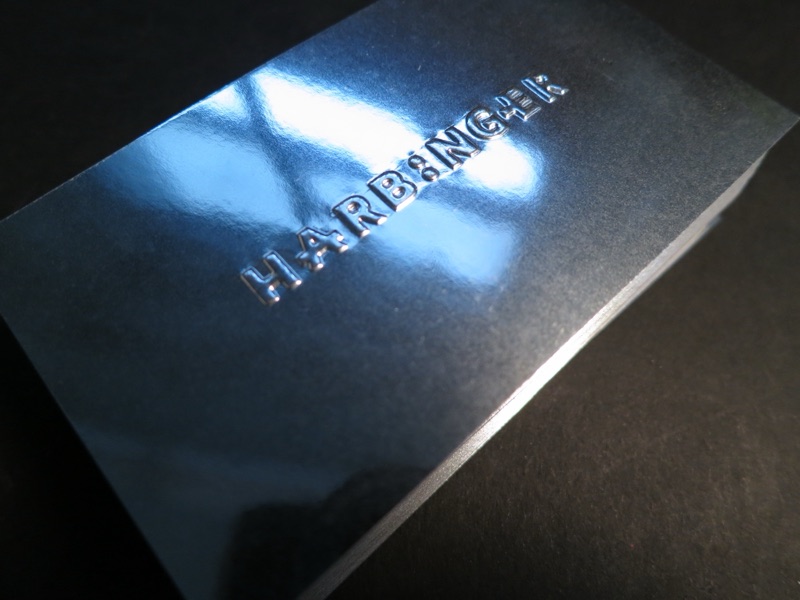
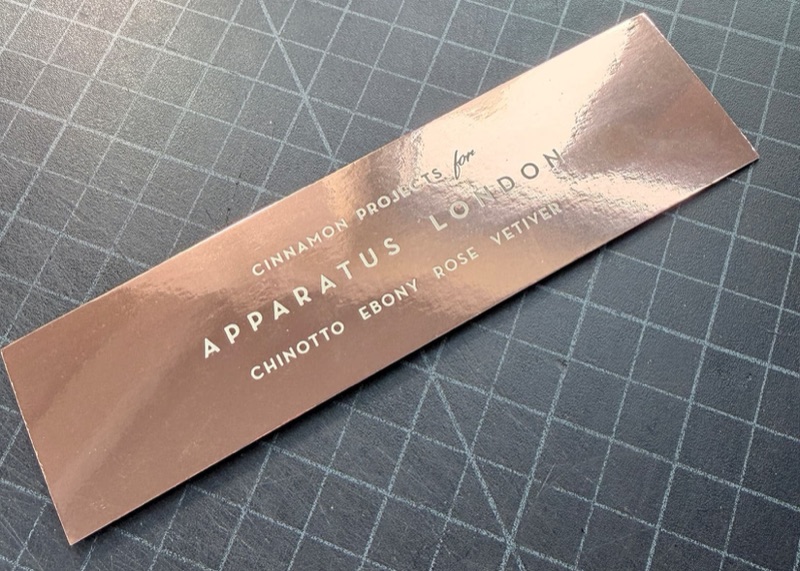
What works on top: white ink (a knockout on silver mirror), black ink for high-contrast graphics, embossing that sculpts the reflection itself, and foil-on-mirror for gem-like effect. We print packaging, book covers, invitations, and business cards on these stocks.
What we print on mirror stock
- Invitations & event pieces: The sheet arrives reflecting the room it's opened in.
- Business cards: embossed or white-ink marks on silver mirror; nobody hands one over without a comment.
- Packaging & hang tags: gold mirror with emboss reads couture at retail.
- Book & lookbook covers: reflective covers that make shelves interesting.
Mirror paper samples
FAQ
Can you actually print on a true mirror surface?
Yes. It's a control exercise. Ink coverage and placement are managed sheet by sheet so the design stays crisp and the reflection stays a reflection.
What reads best on silver mirror?
White ink is the knockout; black ink gives the highest contrast for graphic work; embossing sculpts the reflection itself.
Do mirror stocks show fingerprints?
Gloss surfaces show handling; that's physics. Matte chrome variants trade some flash for forgiveness, and we'll tell you which your piece wants.
Can mirror paper be embossed or die cut?
Both, embossing bends the reflection into the design, and die cutting shapes the sheet without cracking the surface.