Techniques / Binding
Smyth-Sewn Books
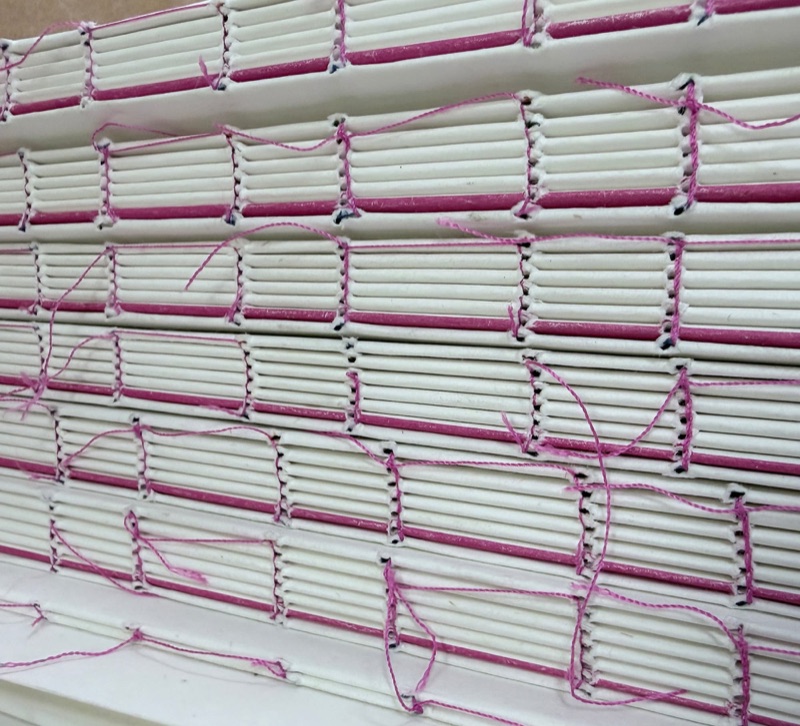
The binding connoisseurs check first. Smyth sewing stitches each signature through its fold with thread, then sews the signatures to each other. A book block held by thread, not just glue.
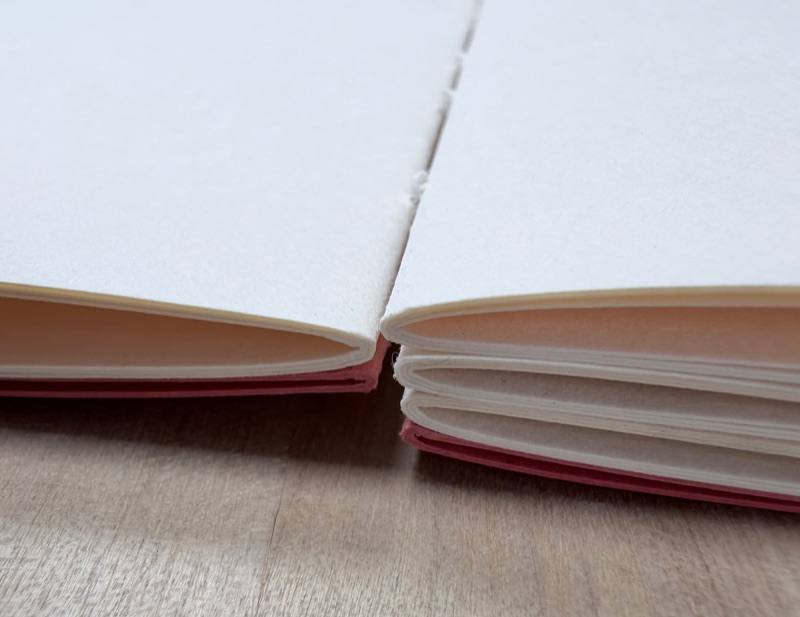
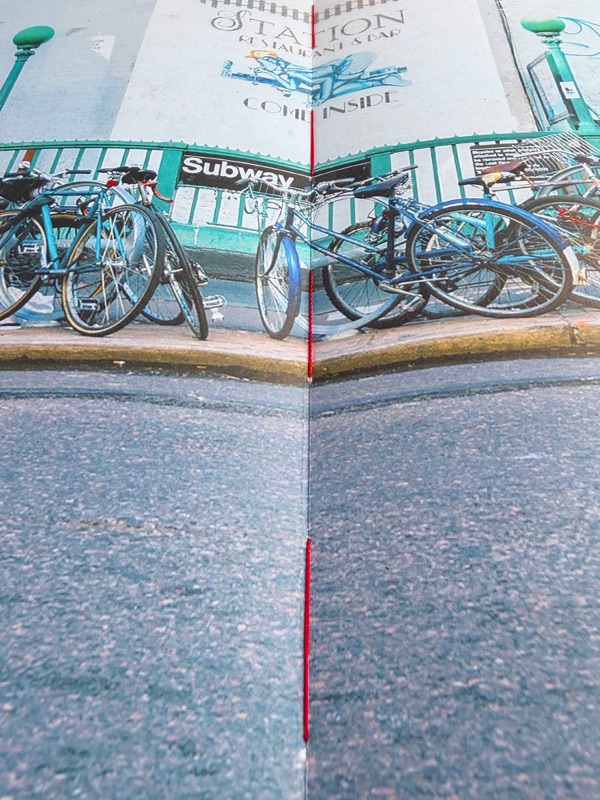
The payoffs of a Smyth sewn book are functional and felt. Lay-flat opening: a sewn book relaxes open at any page: essential for art books, cookbooks, and anything with imagery crossing the gutter. Longevity: thread doesn't dry out and crack the way adhesive-only bindings eventually do. The drape: pages turn with a weight and ease that reads as quality.
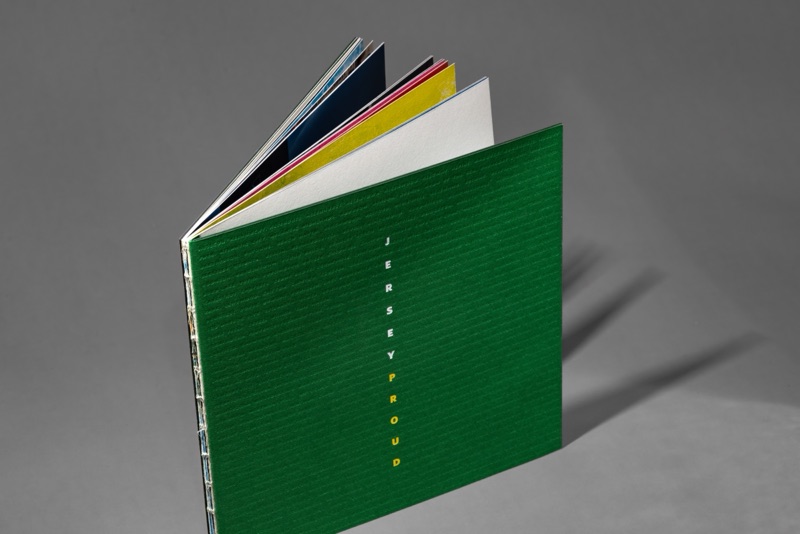
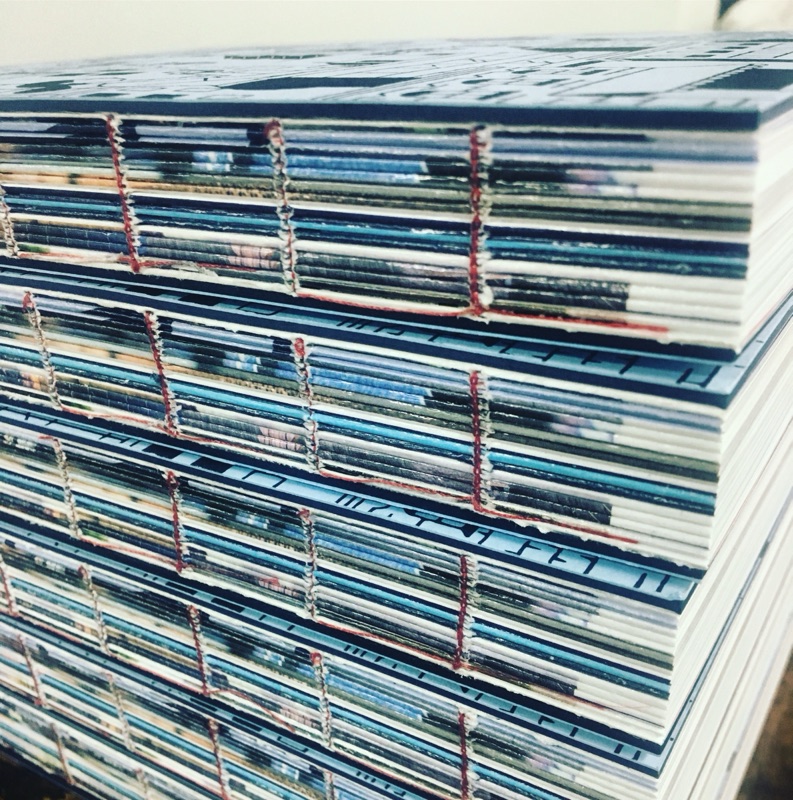
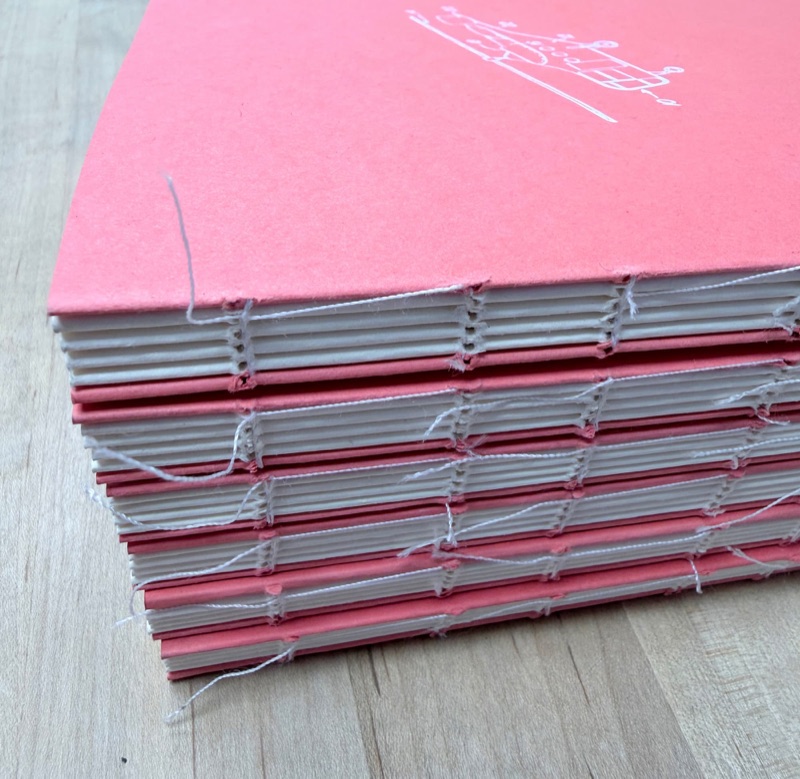
Smyth-sewn blocks live inside hardcovers or under soft covers with exposed or hidden sewing, colored thread on an exposed spine is a designer favorite. This is the binding we recommend when a client says the book "has to feel like it'll be around in fifty years". Because it will be.
Exposed or cased
The same sewn block can disappear or show off. Cased into a hardcover, the sewing works invisibly: you feel it in the drape and the lay-flat spread. Left exposed under a soft cover, the spine becomes the design: stacked signatures and colored thread on display, a look designers ask for by name.
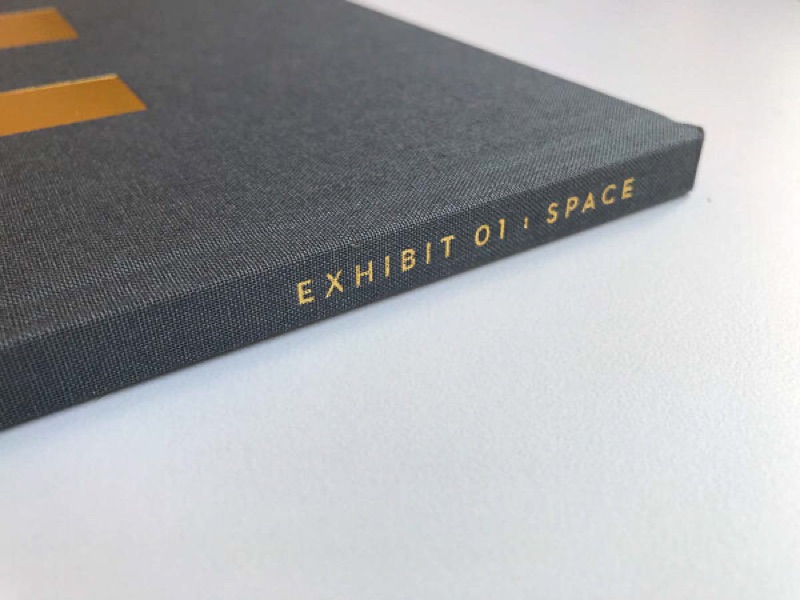
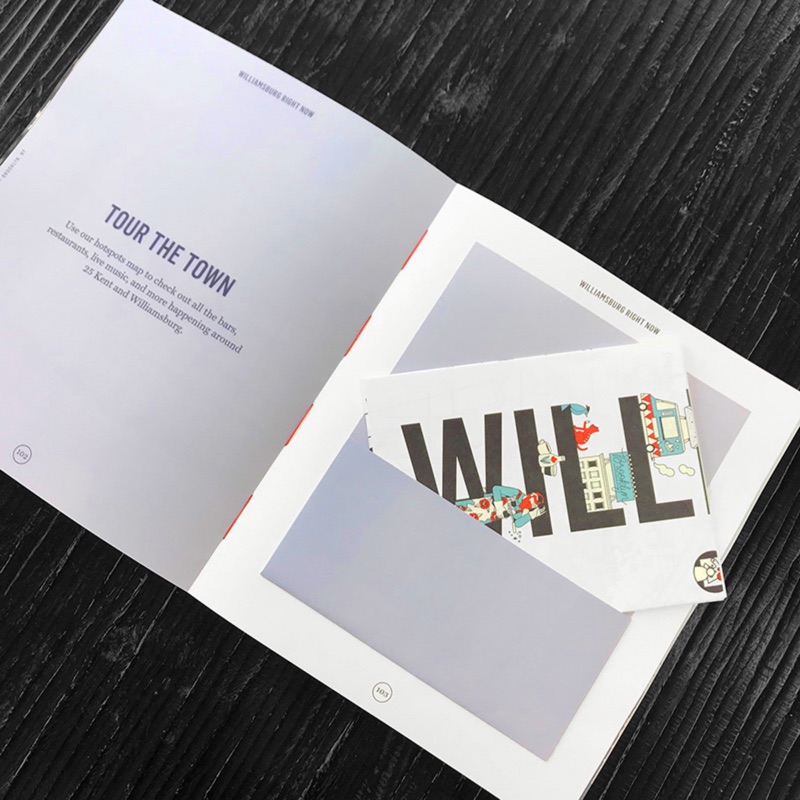
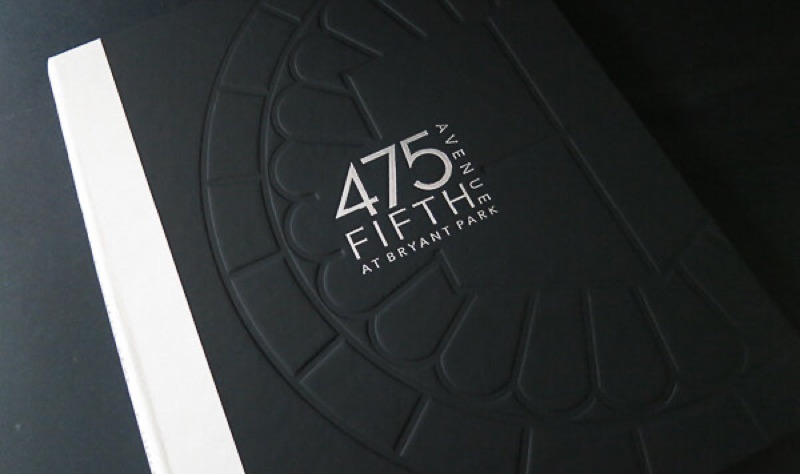
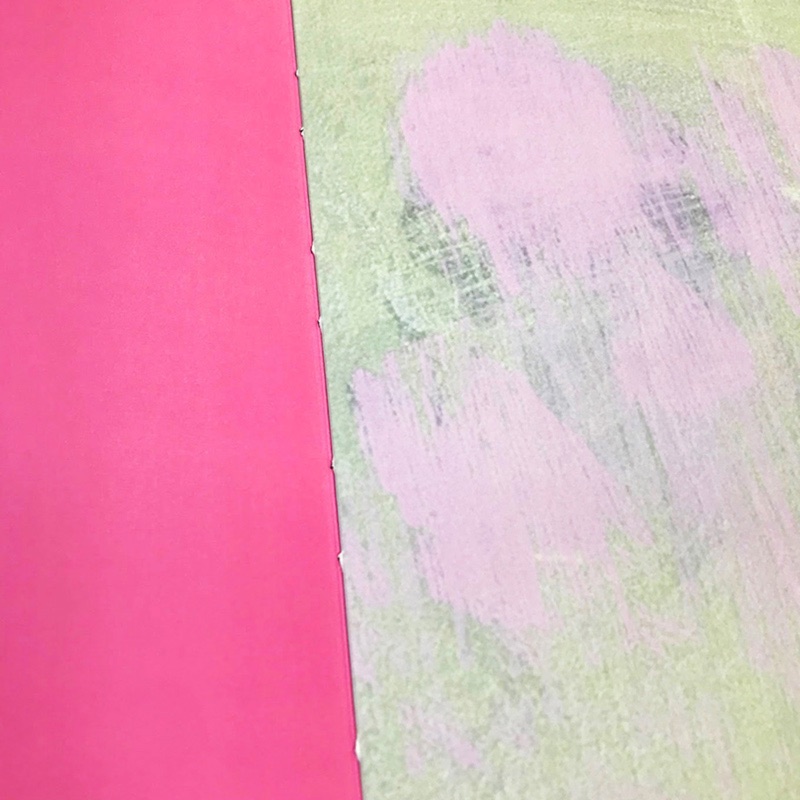
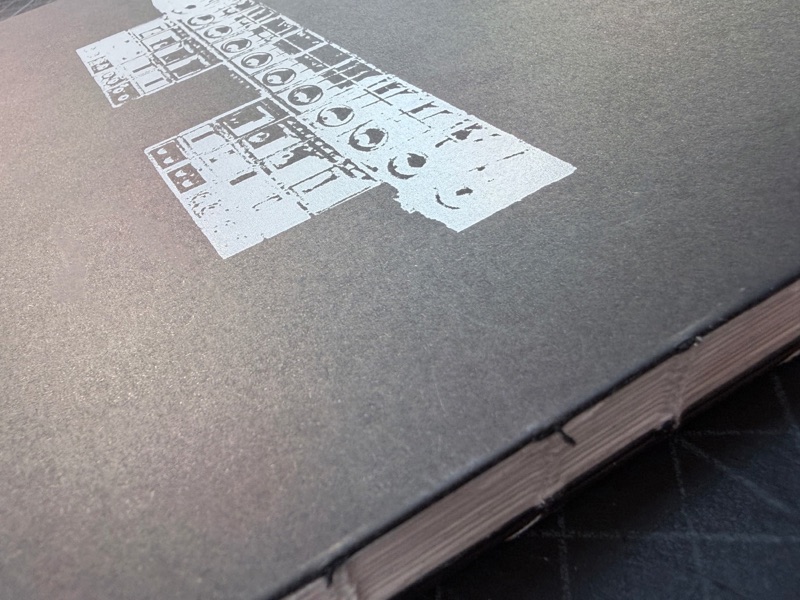
Smyth-sewn samples
FAQ
What is Smyth sewing?
Each signature is stitched through its fold with thread, then the signatures are sewn to each other. A book block held by thread, not just glue.
Does a Smyth-sewn book really lie flat?
Yes: it relaxes open at any page, which is why art books, cookbooks, and anything with imagery crossing the gutter demand it.
Smyth-sewn or perfect bound?
Thread versus glue. Perfect binding is the economical softcover standard; Smyth sewing adds lay-flat opening and decades of life. For books that need to be around in fifty years, sew.
Can the sewn spine be exposed?
Yes, exposed spines with colored thread are a designer favorite, or the block cases invisibly into a hardcover.