Techniques / Binding
Perfect Bound Books
The bookstore silhouette: pages glued into a wraparound cover with a squared, printable spine. Perfect binding is the seamless, professional middle path, more permanent than staples, more accessible than casebinding.
The spine is on display with perfect binding. It stands face-out on a shelf, carries a title, and squares up a stack in a way saddle stitch never will. Covers run from self-color softness to laminated card with foil, spot UV, or french flaps for the deluxe read.
We perfect-bind lookbooks, catalogs, zines that graduated, magazines, and softcover editions: typically from around 40 pages up, where the spine has enough shoulder to square. Thinner pieces are happier saddle-stitched; we'll tell you honestly which side of the line your page count falls on.
Covers, flaps & spines
The cover is where perfect binding dresses up: laminated card for durability, uncoated self-cover for the simple look, French flaps that wrap like a dust jacket, foil or spot UV for the hit. The spine is real estate. A title, a wordmark, or a color that identifies the book across a shelf. Design for it; it's the face the bookcase sees.
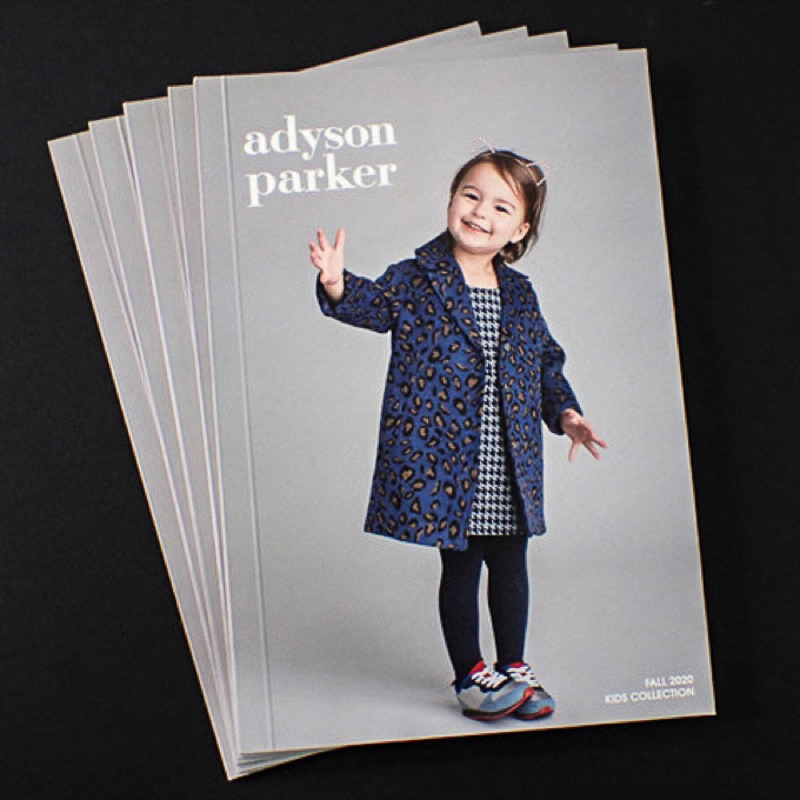
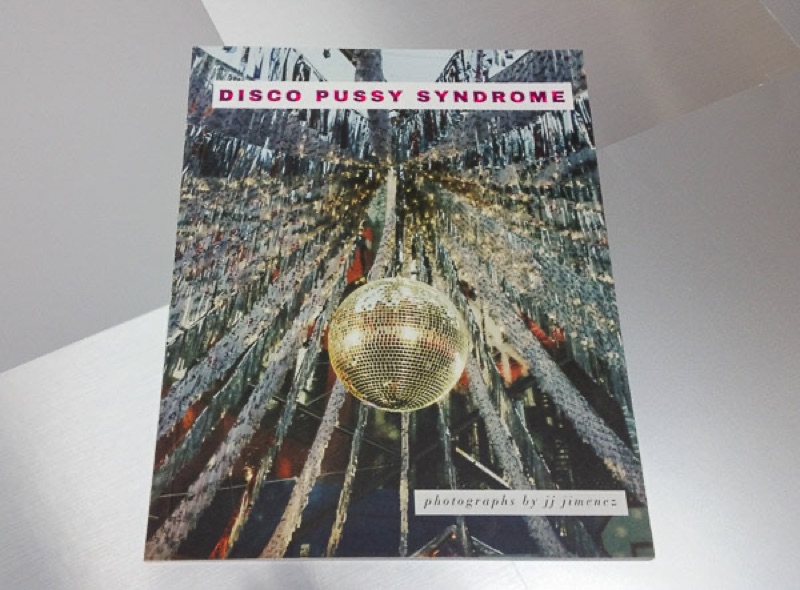
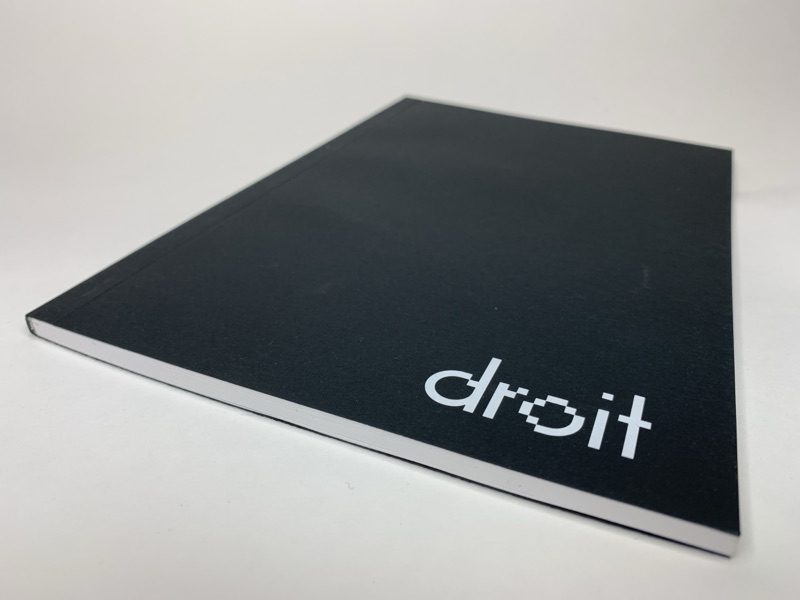
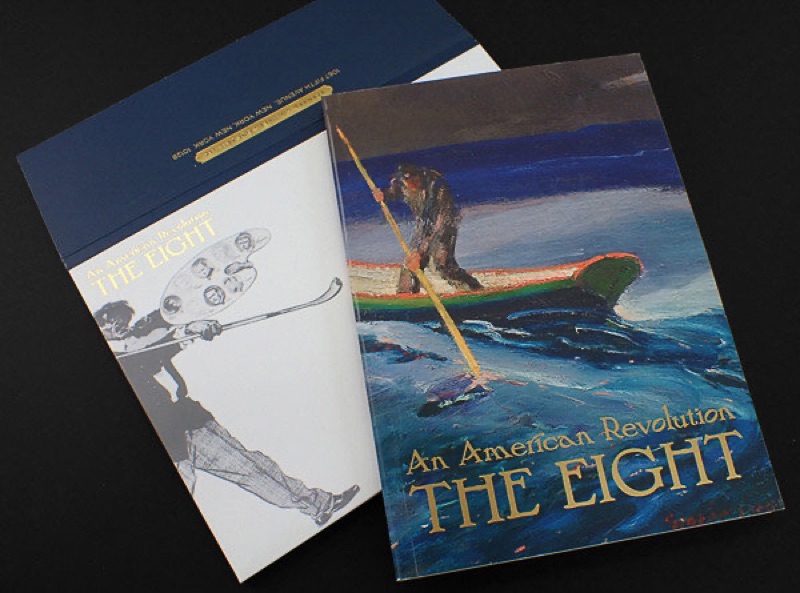
Perfect bound samples
FAQ
How many pages does perfect binding need?
Typically from around 40 pages up, where the spine has enough shoulder to square. Thinner pieces are happier saddle-stitched; we'll tell you which side of the line you're on.
Perfect bound or Smyth-sewn?
Perfect binding glues the block; Smyth sewing stitches it with thread for lay-flat opening and heirloom longevity. Sewn costs more and earns it on books that matter.
Can the spine be printed?
Yes: that's half the point. Squared and printable, it stands face-out on a shelf and carries the title.
What are French flaps?
Cover extensions that fold inward like a dust jacket: extra weight in the hand, extra canvas for the design, softcover price.