Techniques / Binding
Singer Sewn
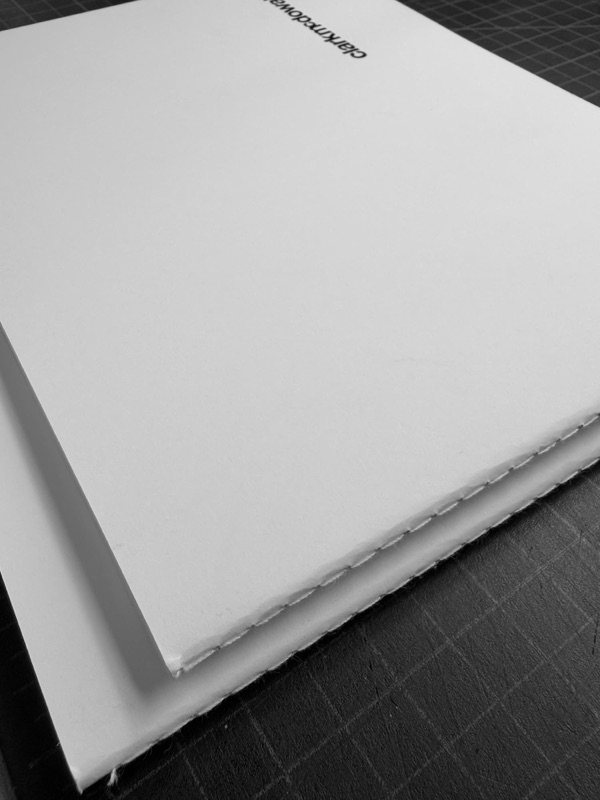
Staples' more interesting cousin: the booklet is stitched through the spine on an industrial sewing machine, leaving a visible line of thread. The thread is a design element not an afterthought.
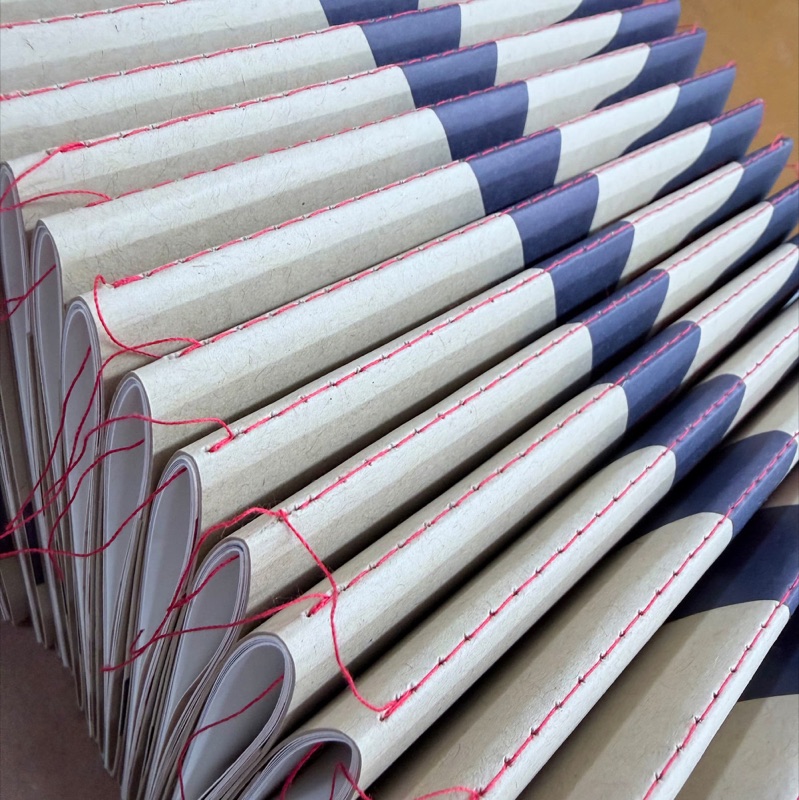
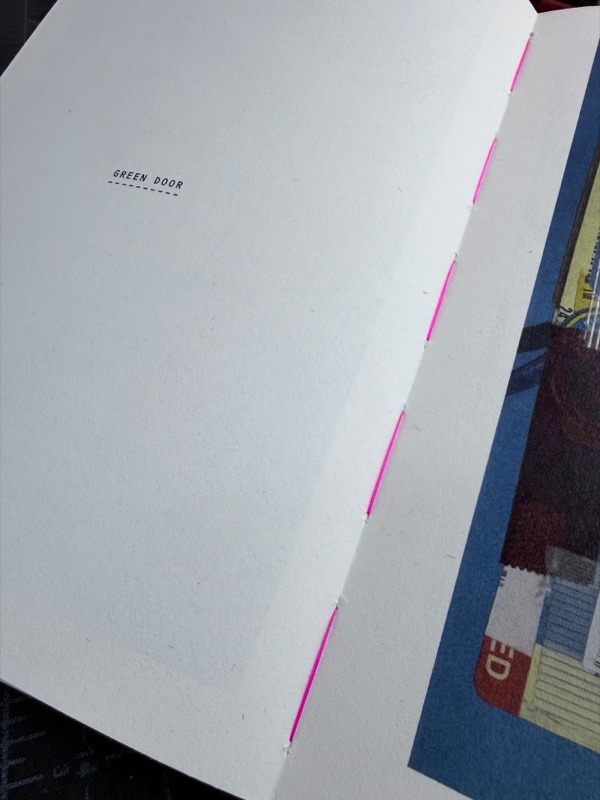
Colored thread against contrasting stock turns the binding itself into the detail people notice: neon stitching on kraft, white on black, matched-to-brand thread on cotton. Structurally it's stronger than staples and lies beautifully flat: aesthetically it says handmade even at large production quantities.
Singer sewing suits booklets, zines, notebooks, and single-signature books up to roughly 48 pages. For multi-signature books, Smyth sewing takes over: for wilder structures, see custom binding.
Thread as the brand
The stitch line is a spec, not an accident: thread color matched to the identity or deliberately clashing with it, tension set so the seam lies as flat as the page. Photograph the spine and you've photographed the brand, which is exactly why designers spec this binding when the object itself is the campaign.
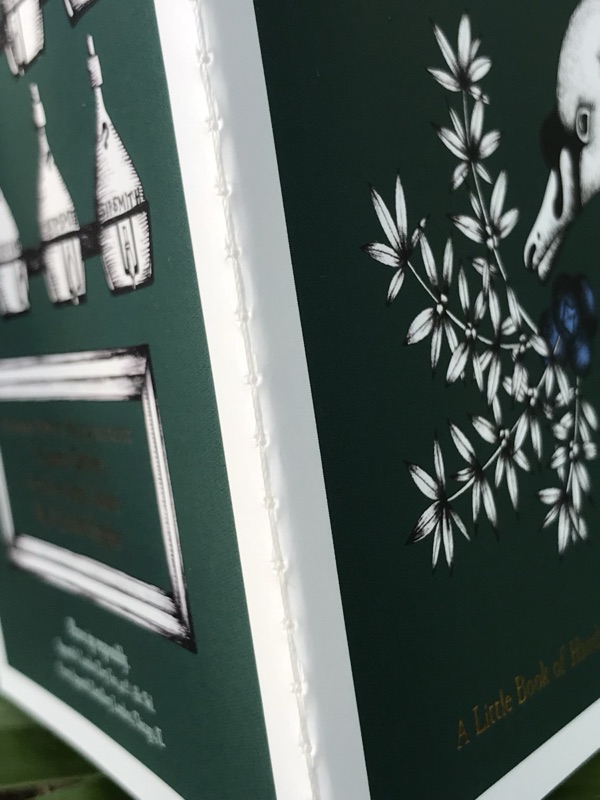
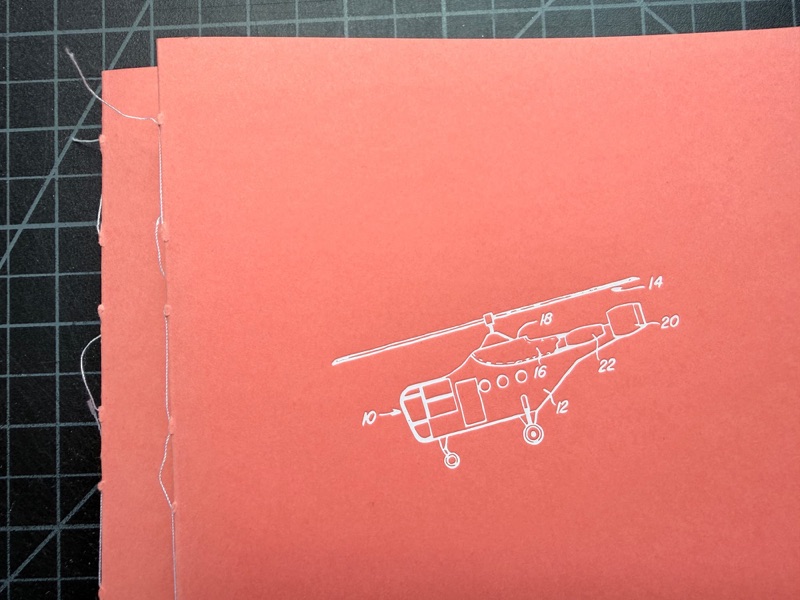
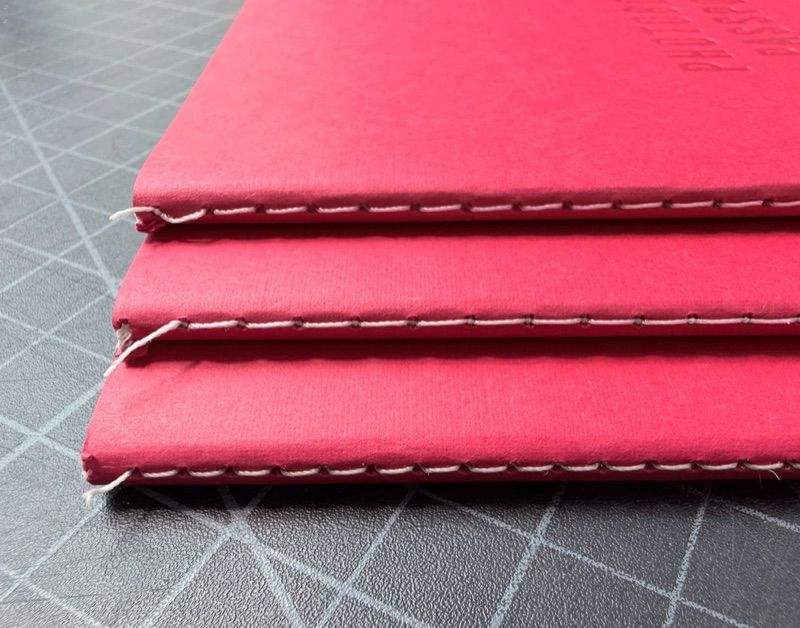
Singer sewn samples
FAQ
What is singer sewn binding?
The booklet is stitched straight through the spine on an industrial sewing machine, leaving a visible line of thread: stronger than staples and unmistakably handmade in feel.
How is it different from saddle stitch?
Same fold, different hardware: saddle stitch uses wire staples: singer sewing uses thread. A design element in its own right.
How many pages can it hold?
Single-signature books up to roughly 48 pages. Beyond that, Smyth sewing takes over with multiple signatures.
What thread colors are possible?
Effectively any: neon on kraft, white on black, brand-matched on cotton. The thread is the point.