Techniques / Finishing
Die Cutting
Print isn't just for squares. Die cutting uses a custom steel-rule die to cut your piece into any shape the design demands. Rounded, geometric, silhouetted, windowed, or fully structural.
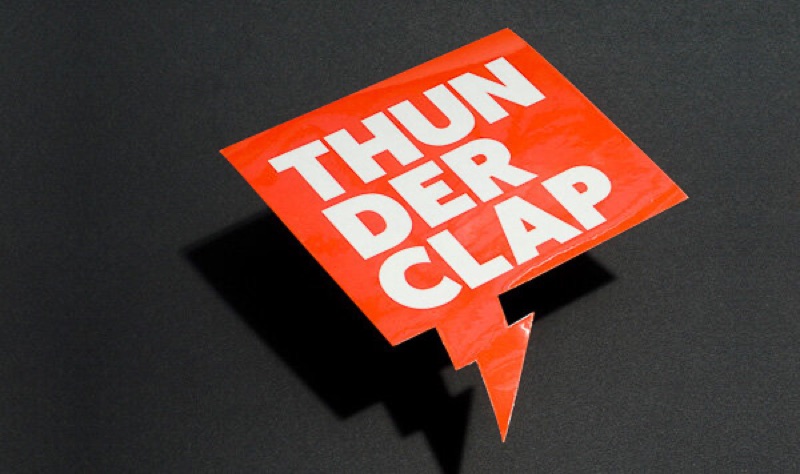
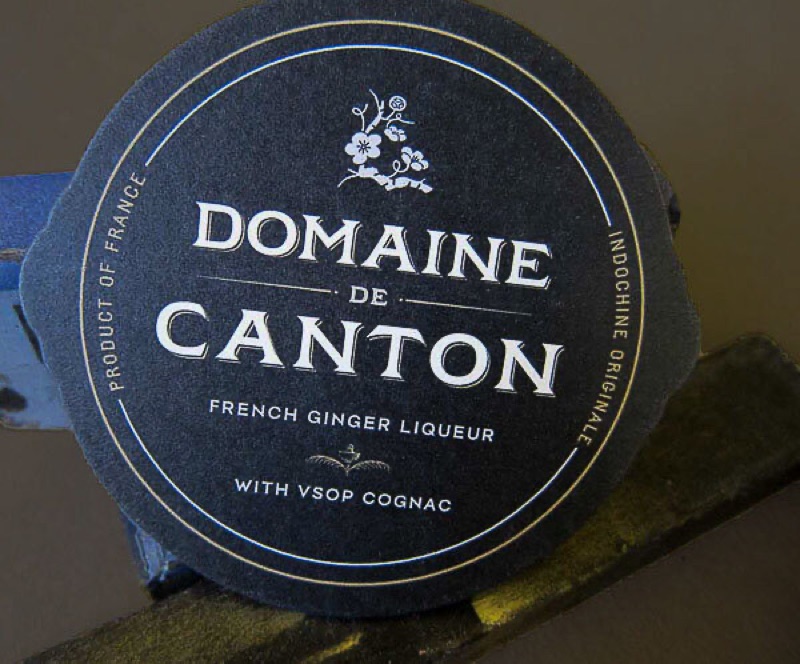
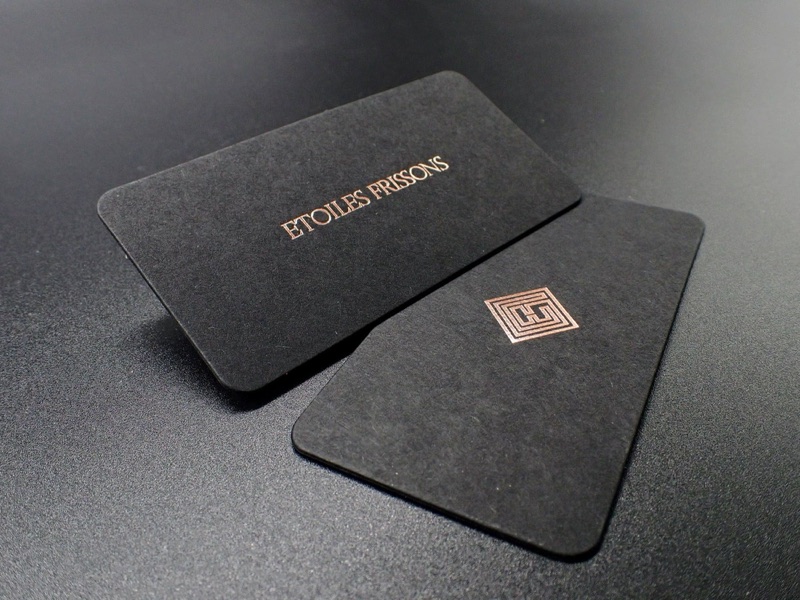
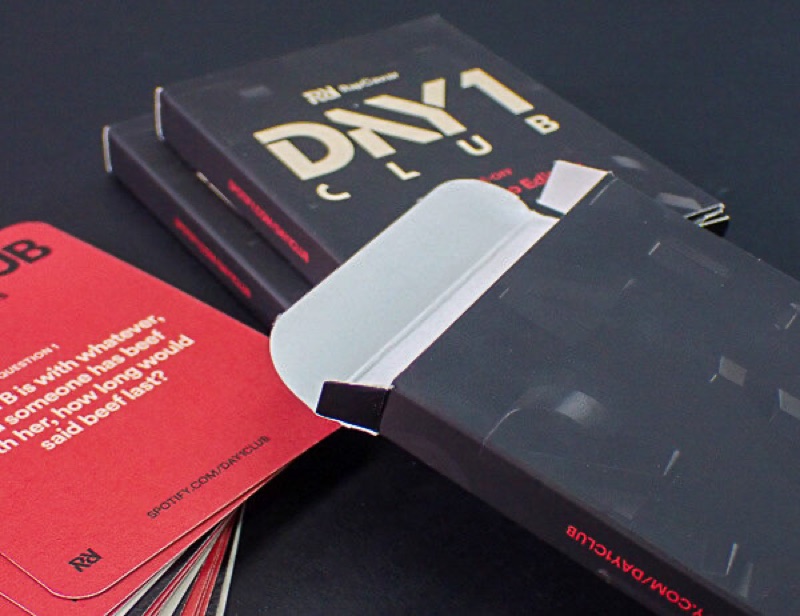
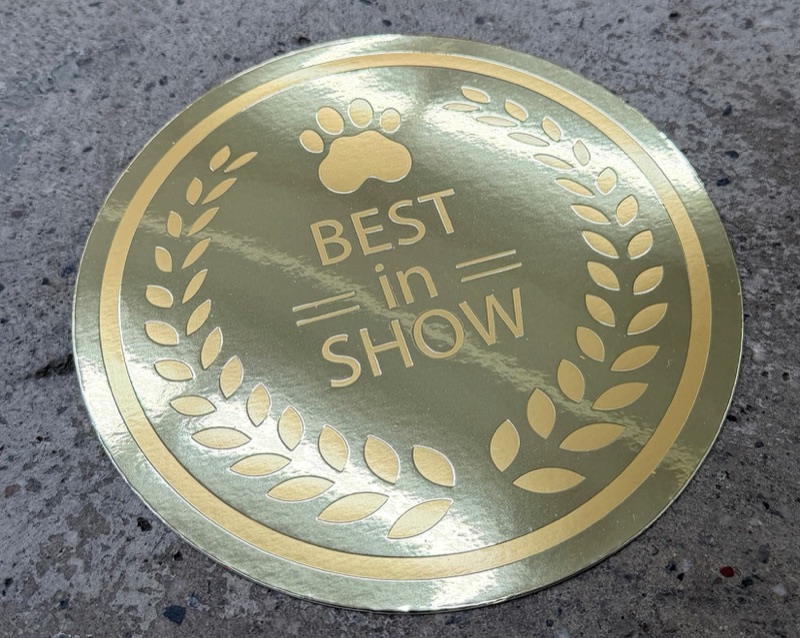
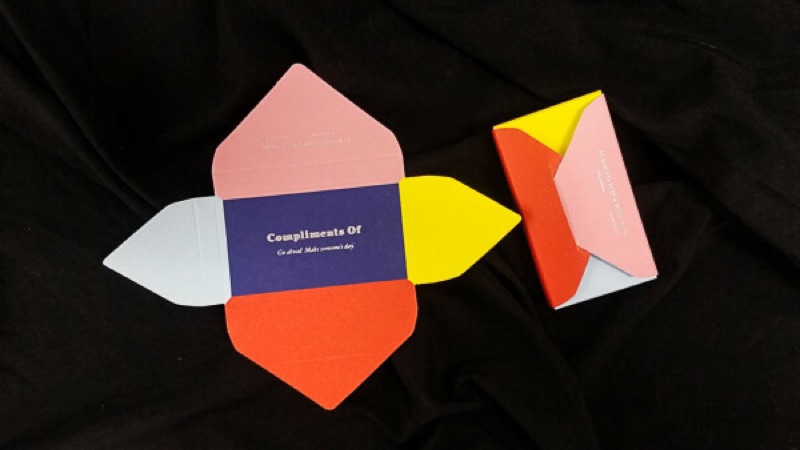
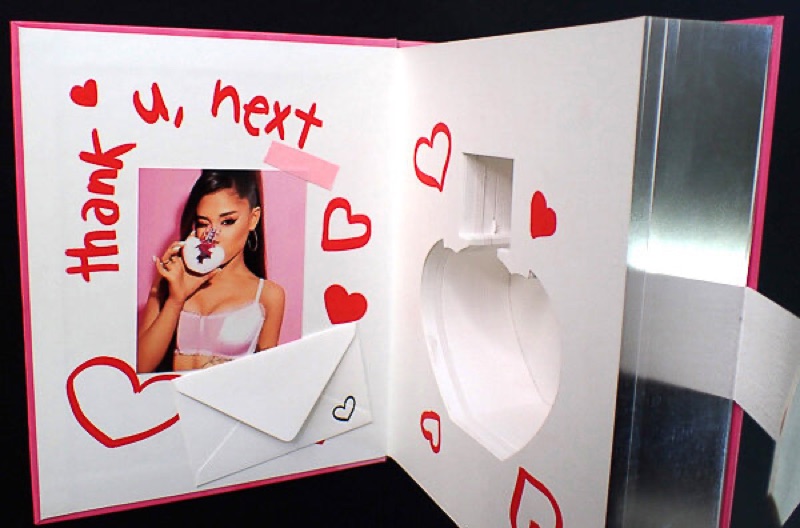
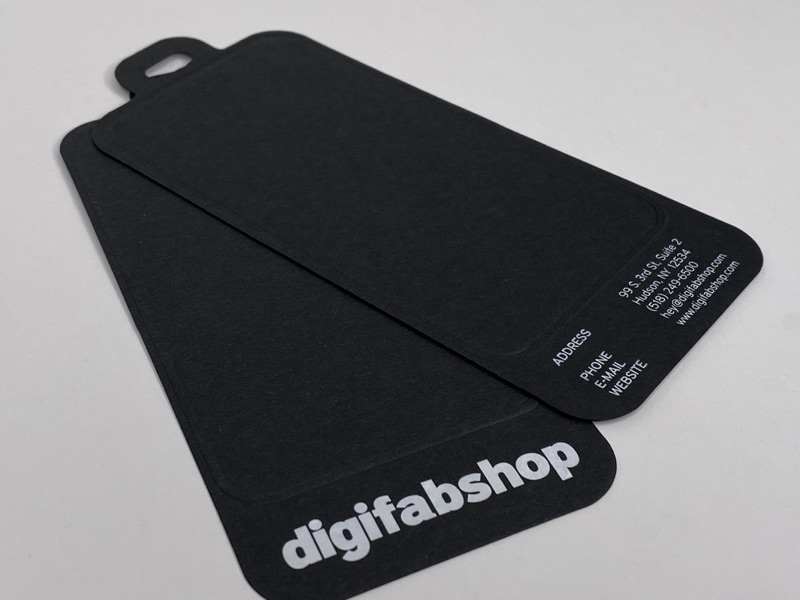
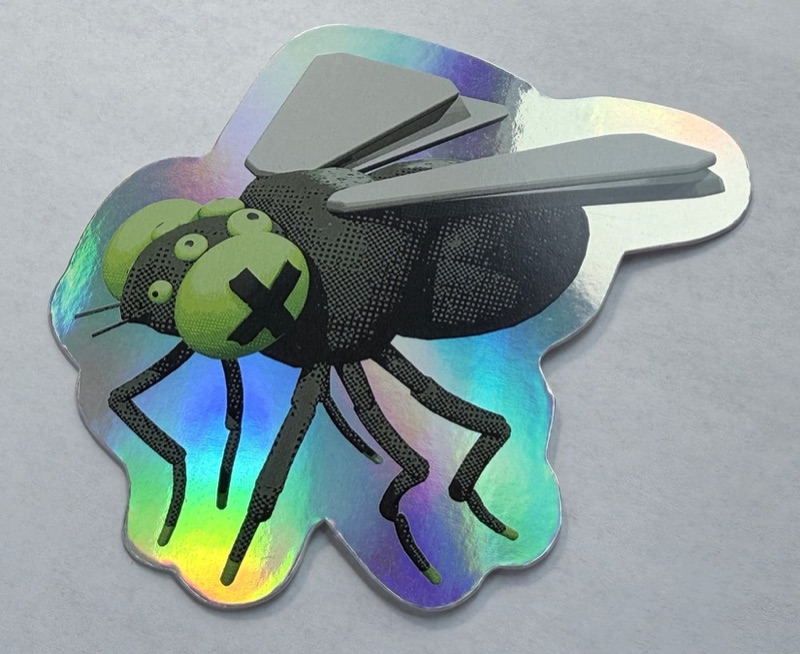
We cut business cards into ovoids and custom shapes, stickers into their artwork's outline, coasters into circles and bevel-edged squares (champagne-flute size included), hang tags with eyelets and unusual profiles, and (the deep end) structural work: boxes, sleeves, and packaging that fold from flat sheets into objects.
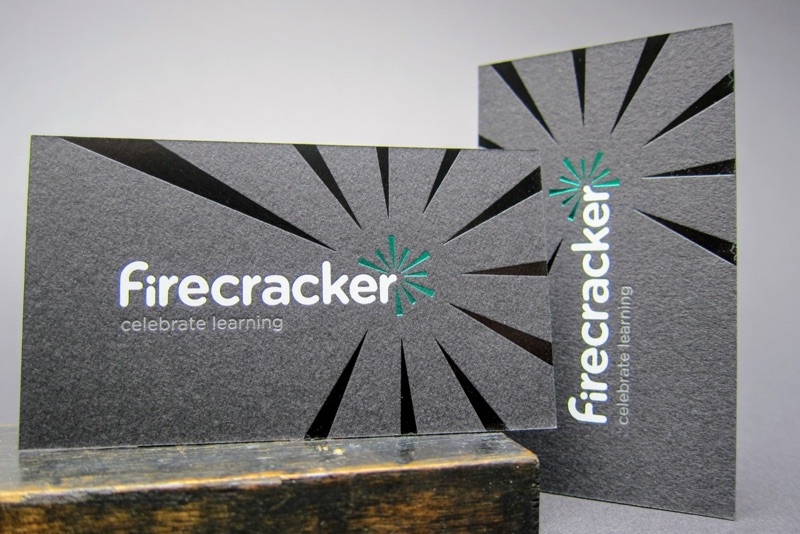
Die cutting creates a magical synergy with other print techniques: a die-cut edge plus foil, a window revealing a printed layer beneath, perforations for tear-away pieces. As always we proof before the run, leaving nothing to chance.
What we die cut
- Cards & invitations: squares, rounded corners, full silhouettes, and windows that reveal a layer beneath.
- Stickers: kiss-cut to the artwork's outline on rolls or sheets.
- Coasters & hang tags: circles, bevel-edged squares, eyelets, and unusual profiles.
- Boxes & packaging: Structures that fold from flat sheets into objects.
Dies, lasers & perforation
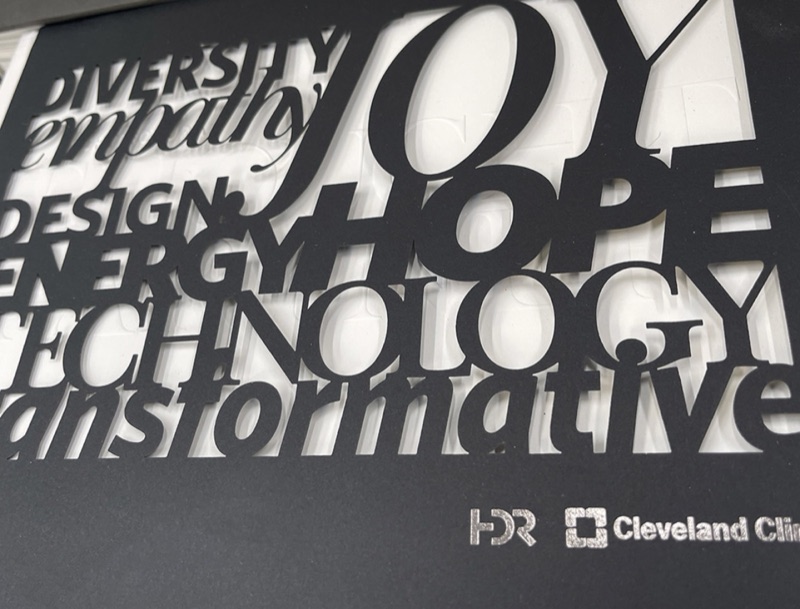
Most work runs on a custom steel-rule die: a one-time tool made exclusively for your shape in order to cut the entire run identically. When the design goes lace-fine (intricate interior cutouts, typographic voids) it becomes a job for laser cutting. Perforation and scoring use a die as well, so tear-away cards and fold lines arrive ready to work.
Die cutting samples
FAQ
Does a custom shape cost extra?
There's a one-time die charge for your shape; after that the die cuts the whole run, and it's yours for future projects.
Kiss cut or cut through?
Stickers are usually kiss-cut (through the vinyl, not the backing) so they peel clean. Everything else cuts through. We'll spec the right one.
How intricate can a cut get?
Steel-rule dies handle bold shapes, windows, and curves: for lace-fine interior detail we switch to laser cutting, which handles almost anything the sheet can survive.
Do you prototype packaging?
Always, structural work is proofed as a physical dummy so the fold, fit, and closure are proven before the run.