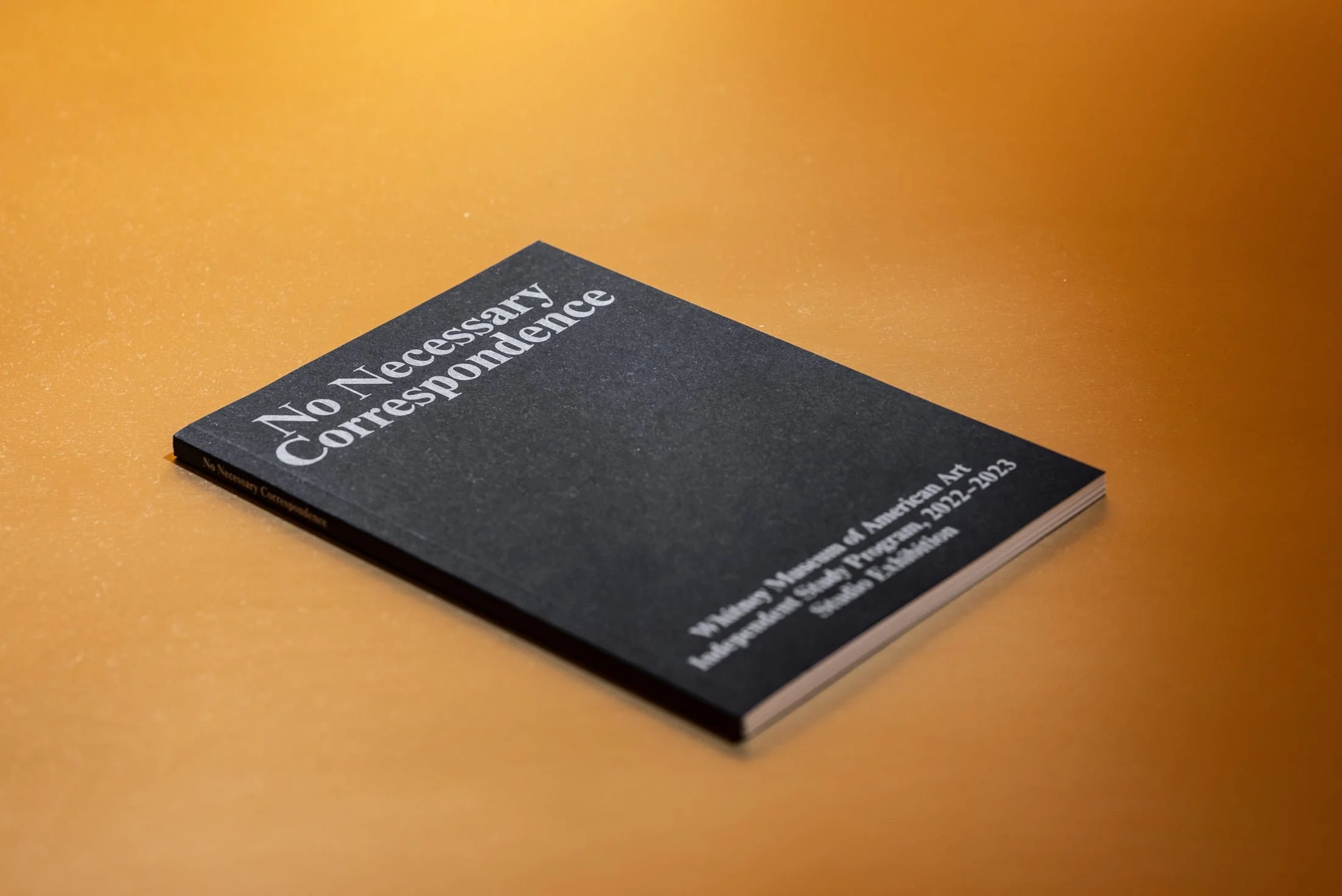
Black Paper printing
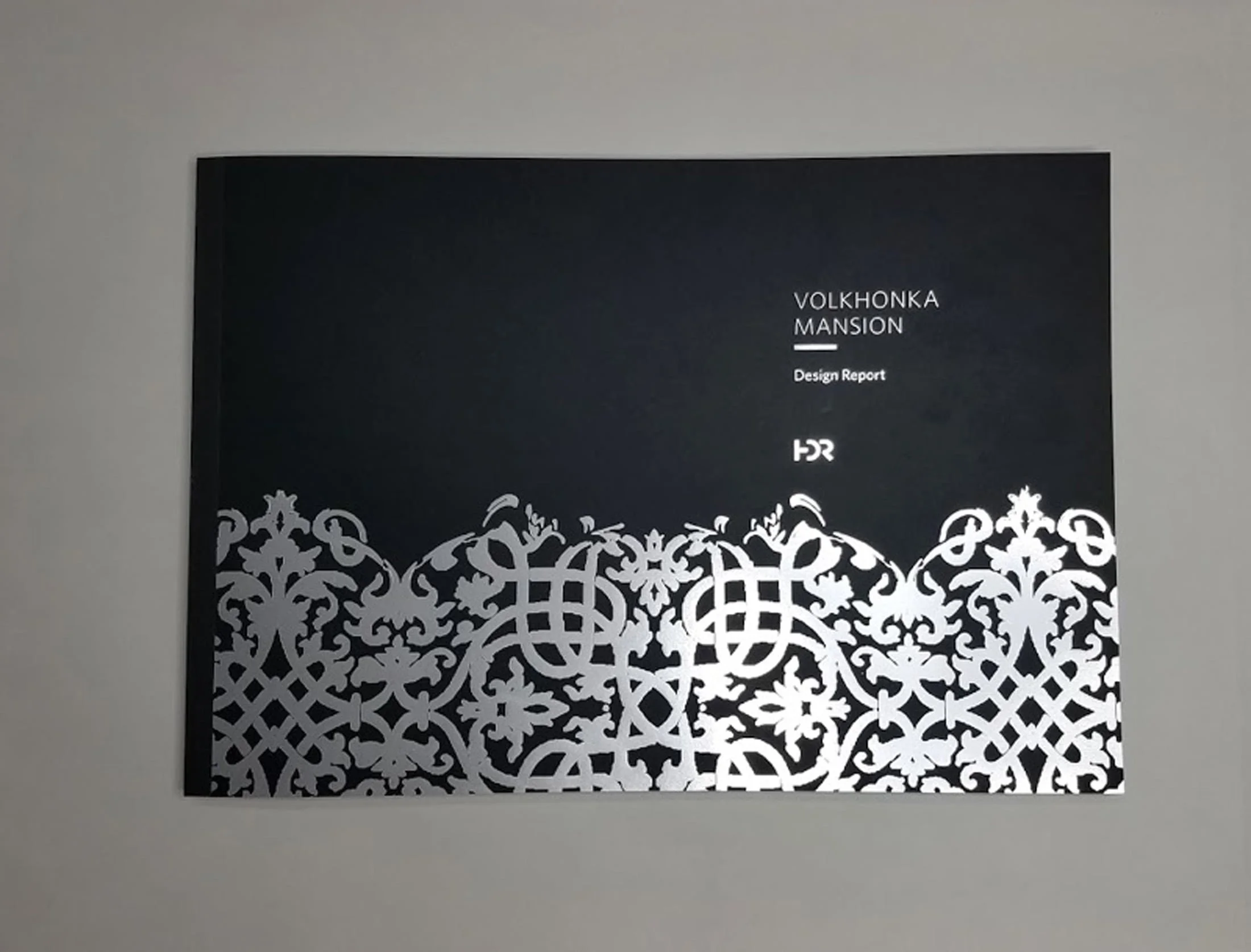
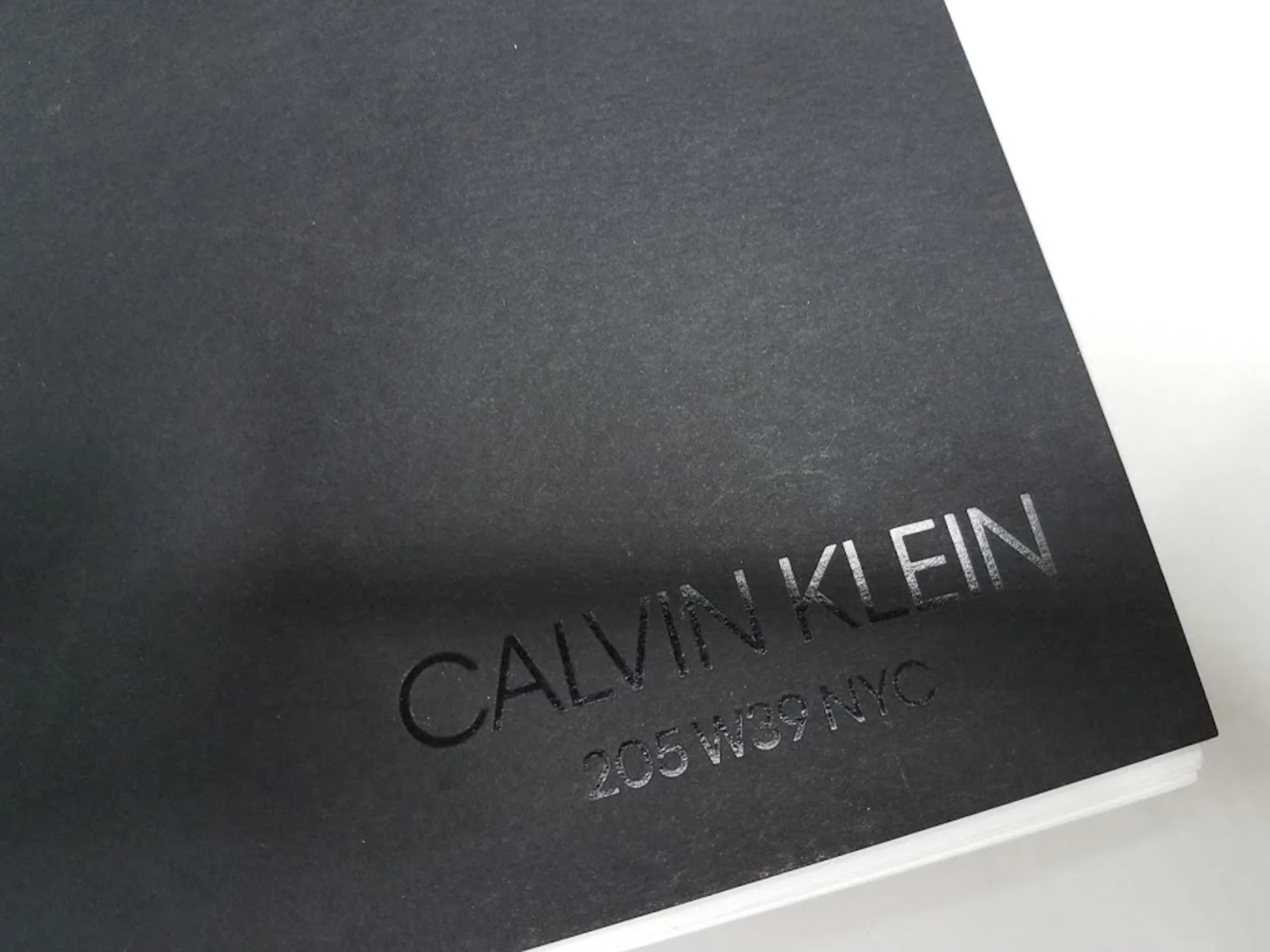
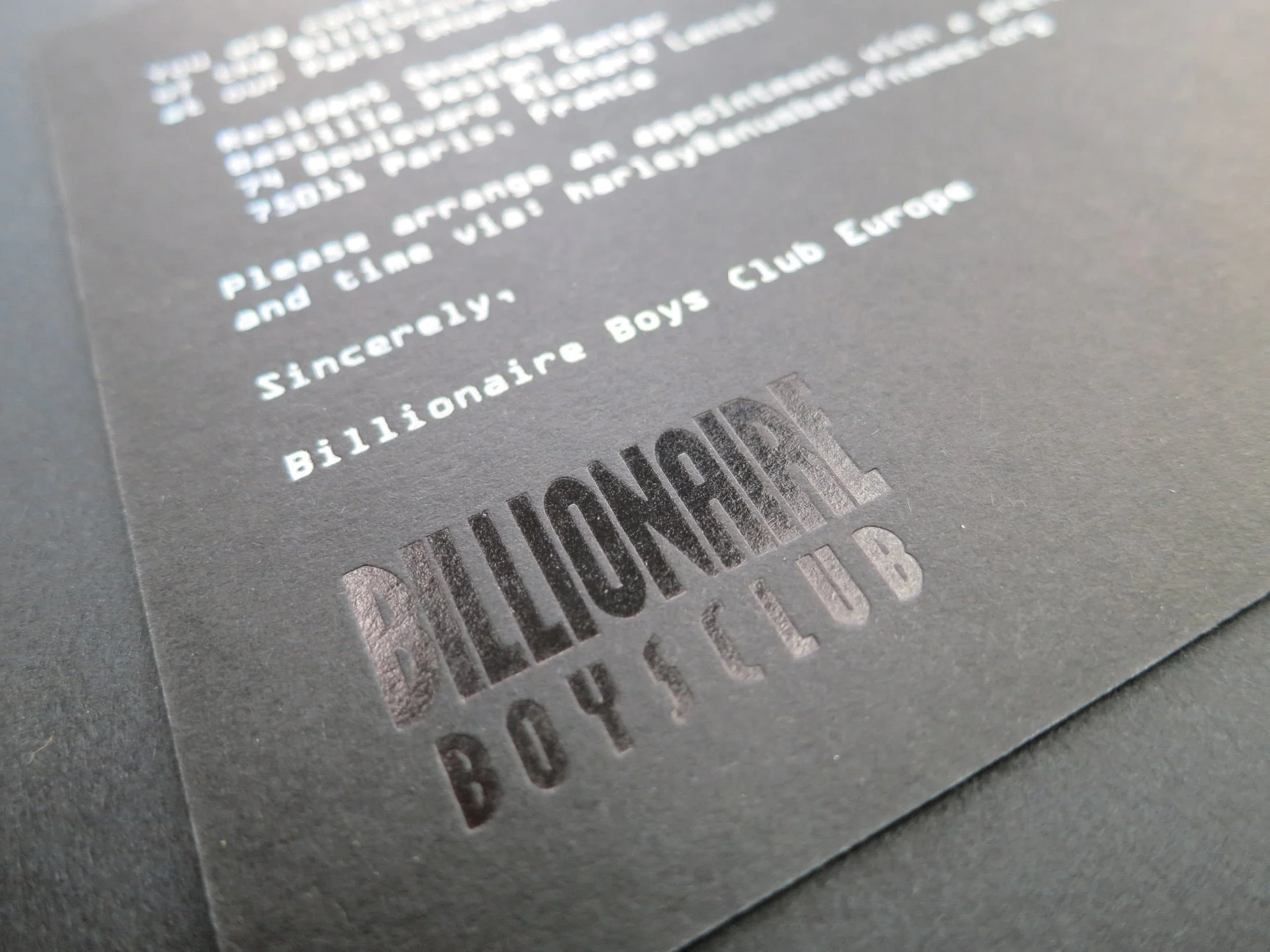
Printing on black paper requires specialized techniques to achieve sharp contrast and clean detail. Standard inks disappear into dark stocks, so processes like white ink printing, foil stamping, and embossing are used to bring designs forward with clarity and precision.
We produce a wide range of printed materials on black paper, including business cards, books, packaging, and hangtags. Each project is developed with the material and method in mind—balancing ink coverage, texture, and finish to create durable, high-impact results.
Below are examples of our work across different techniques and applications.
Foil Stamping on Black Paper
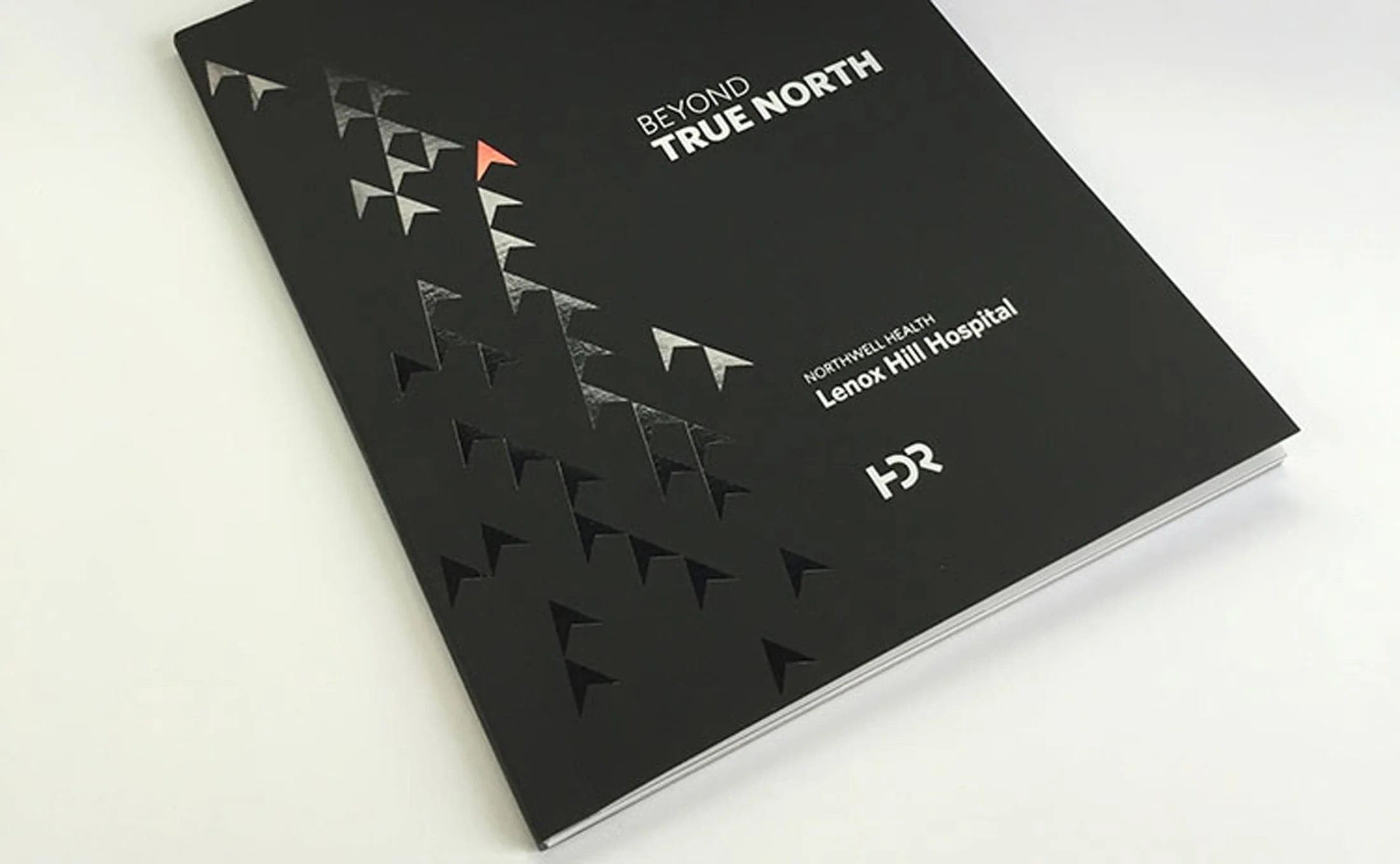
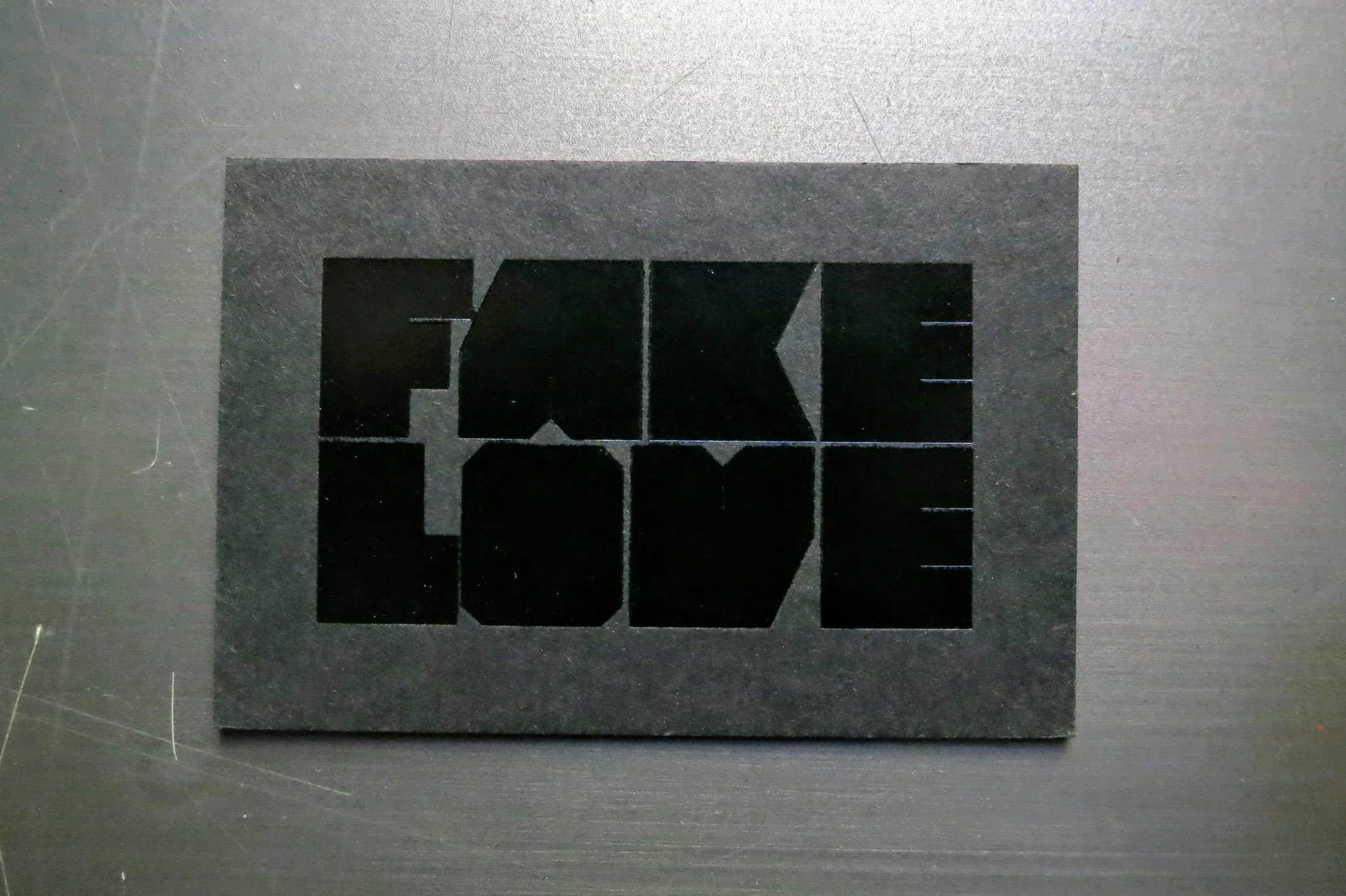
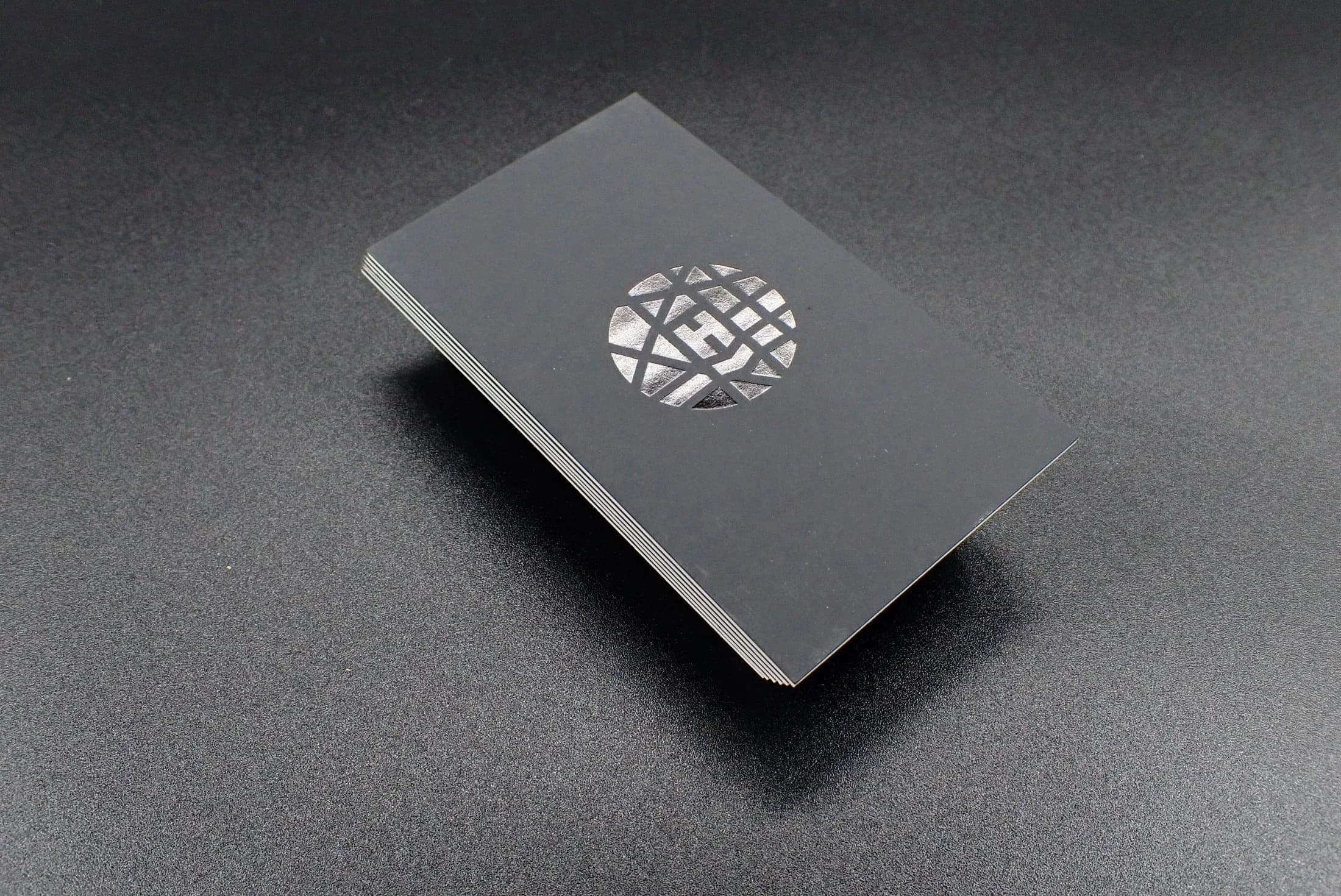
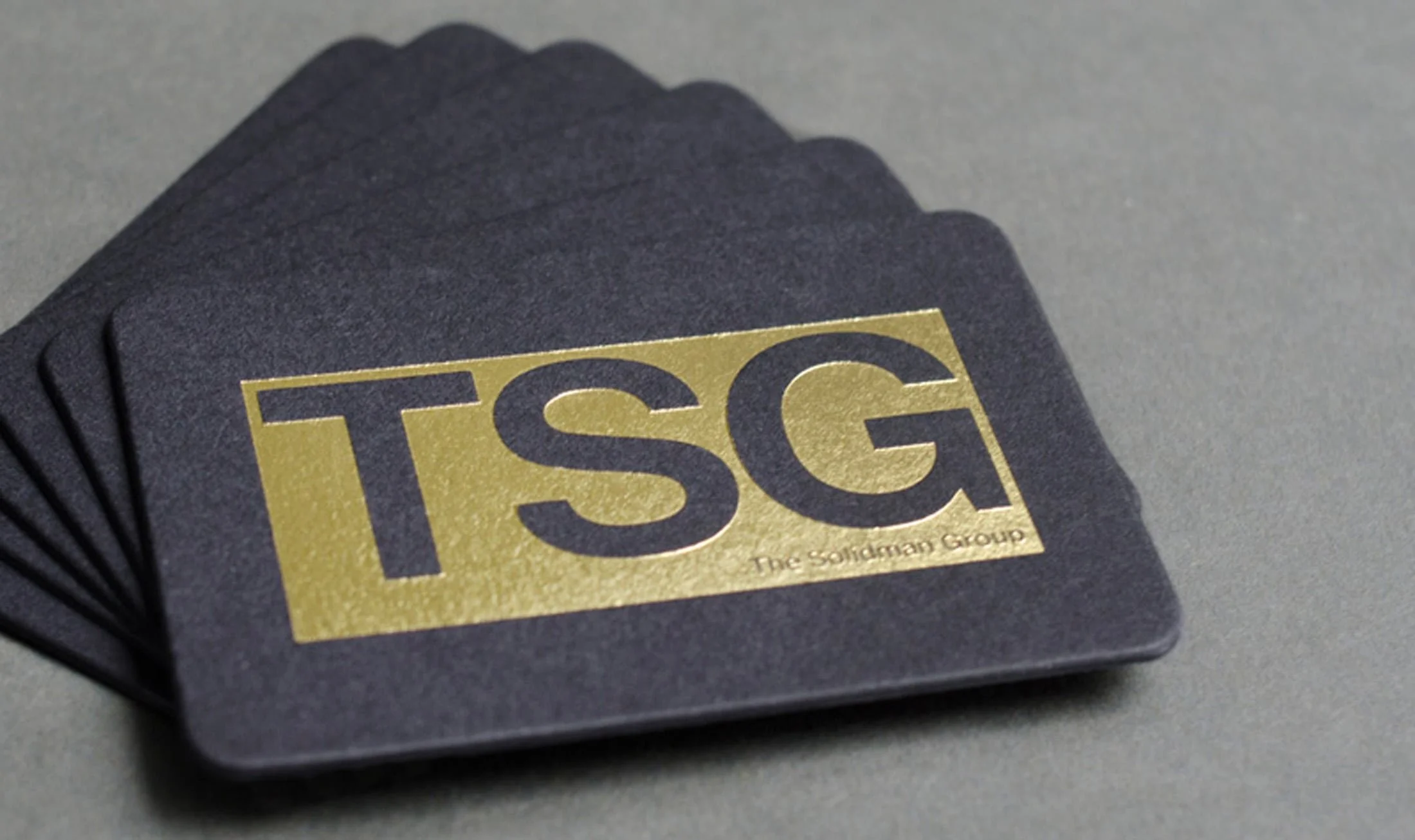
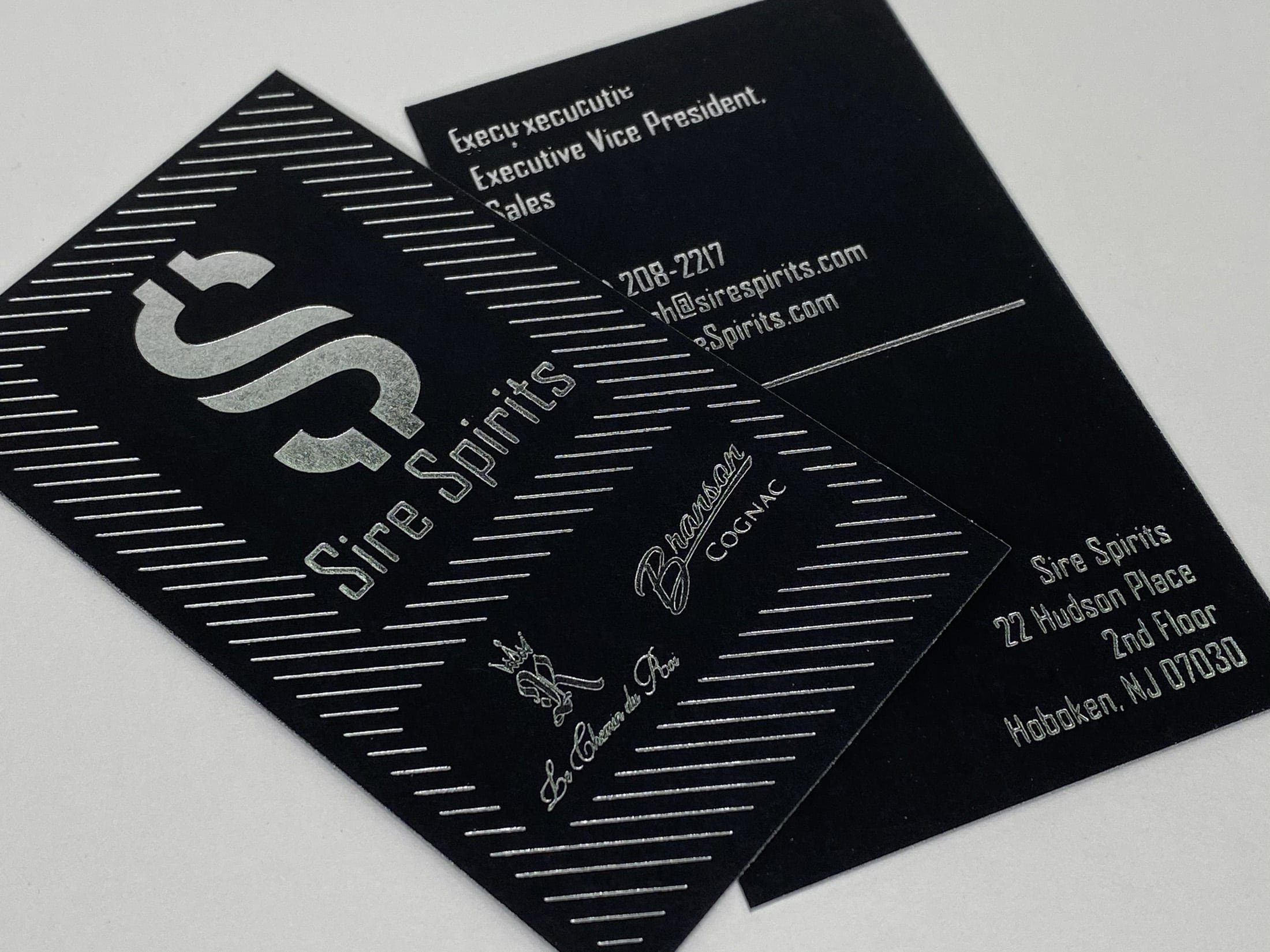
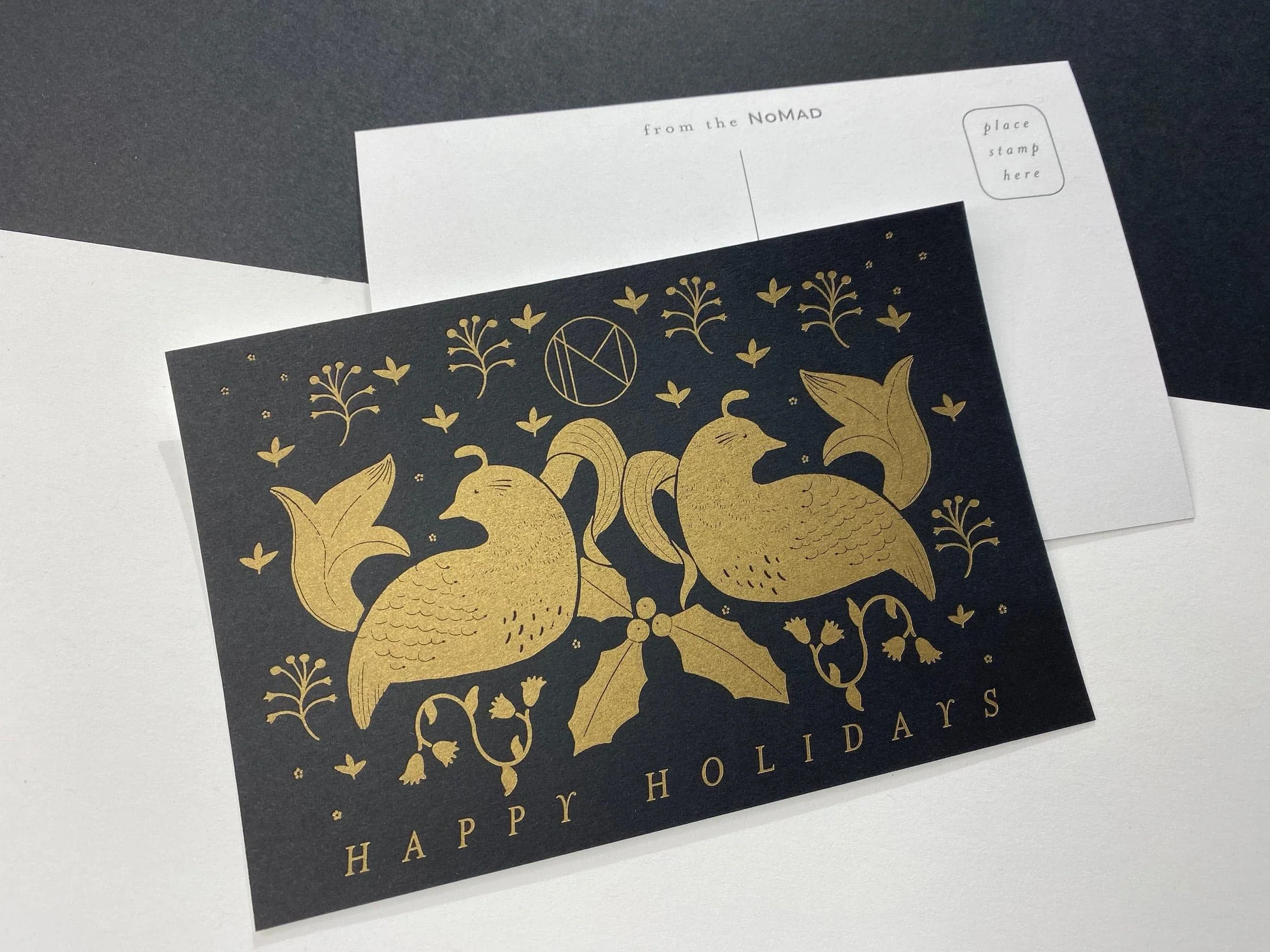
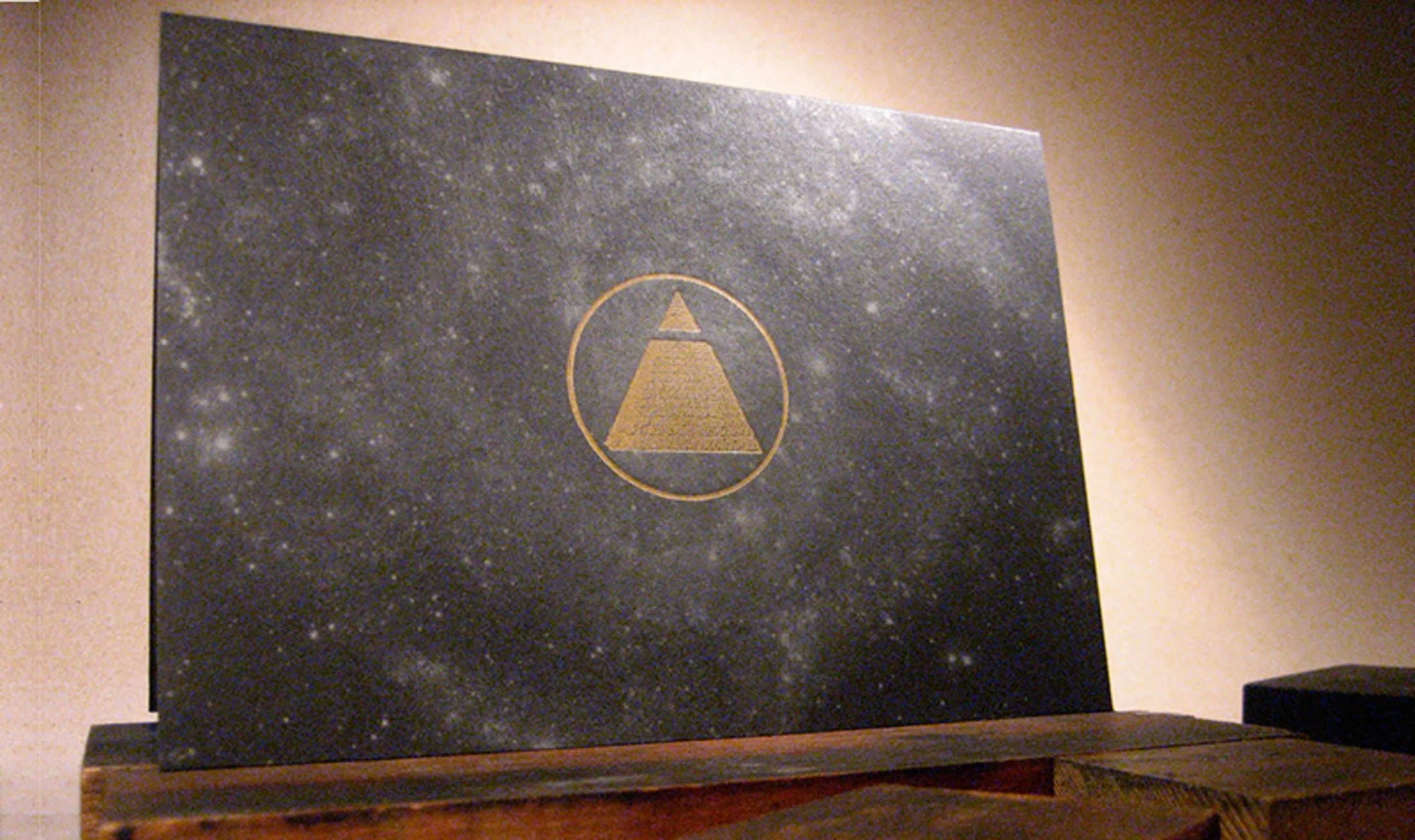
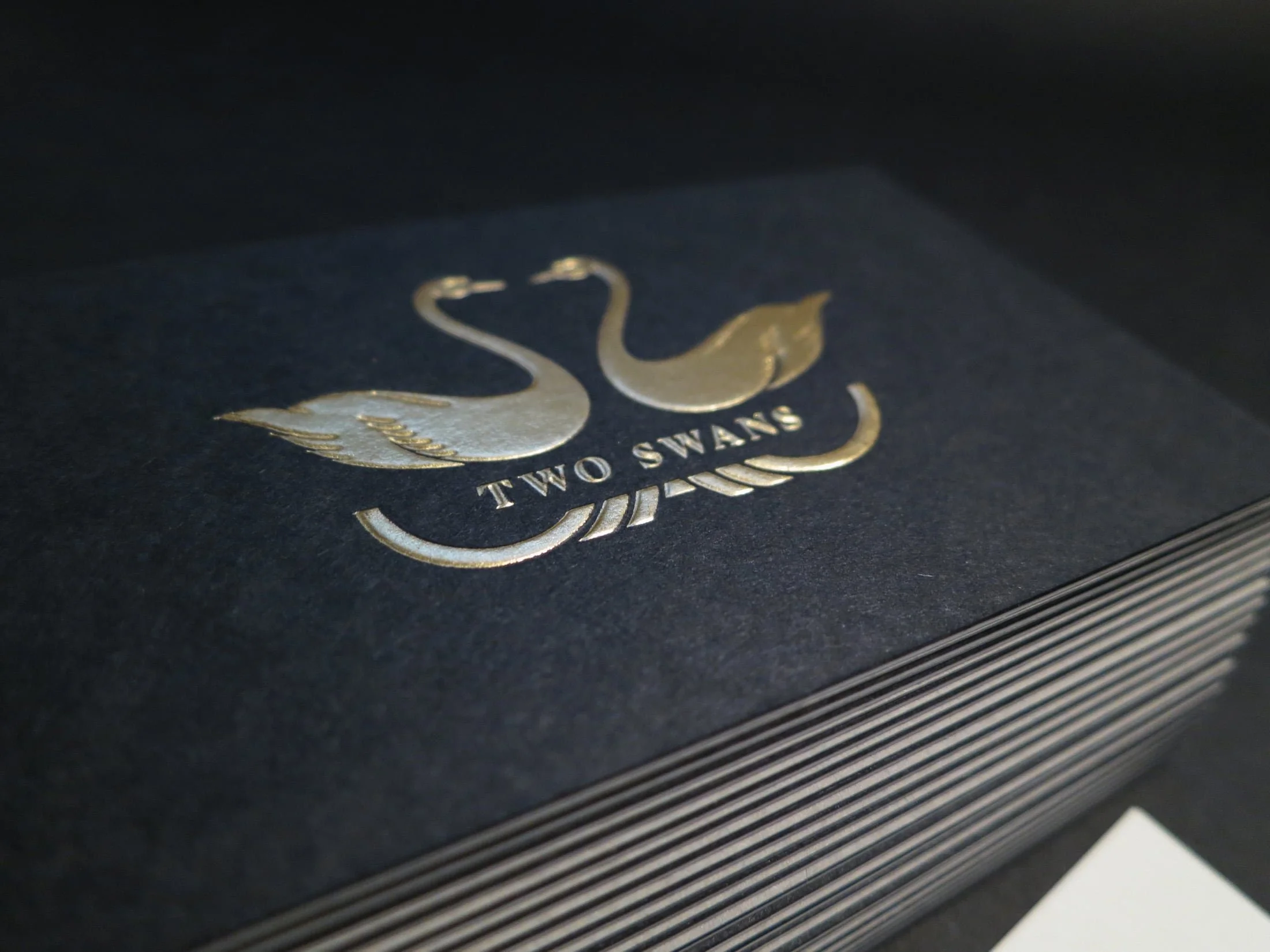
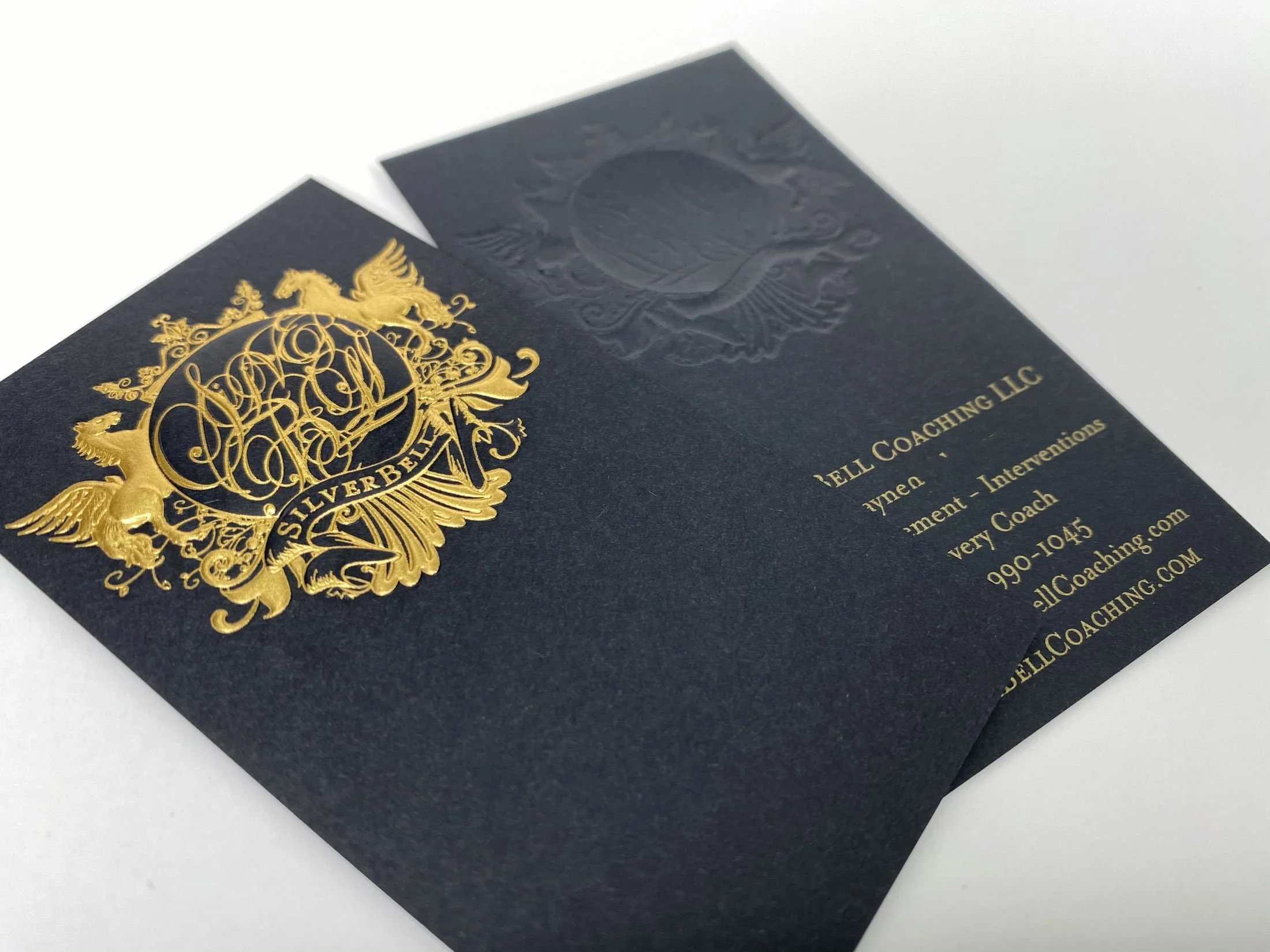
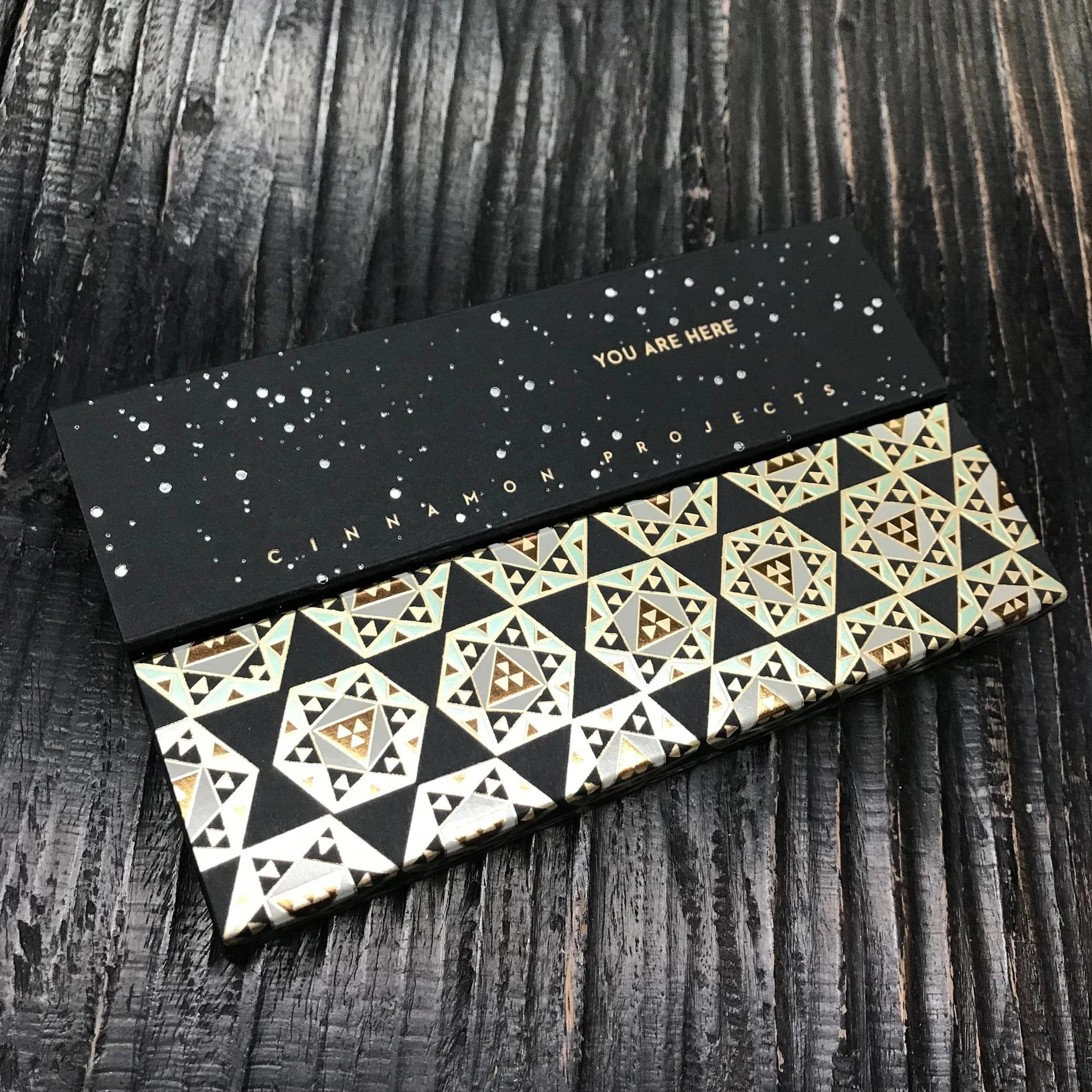
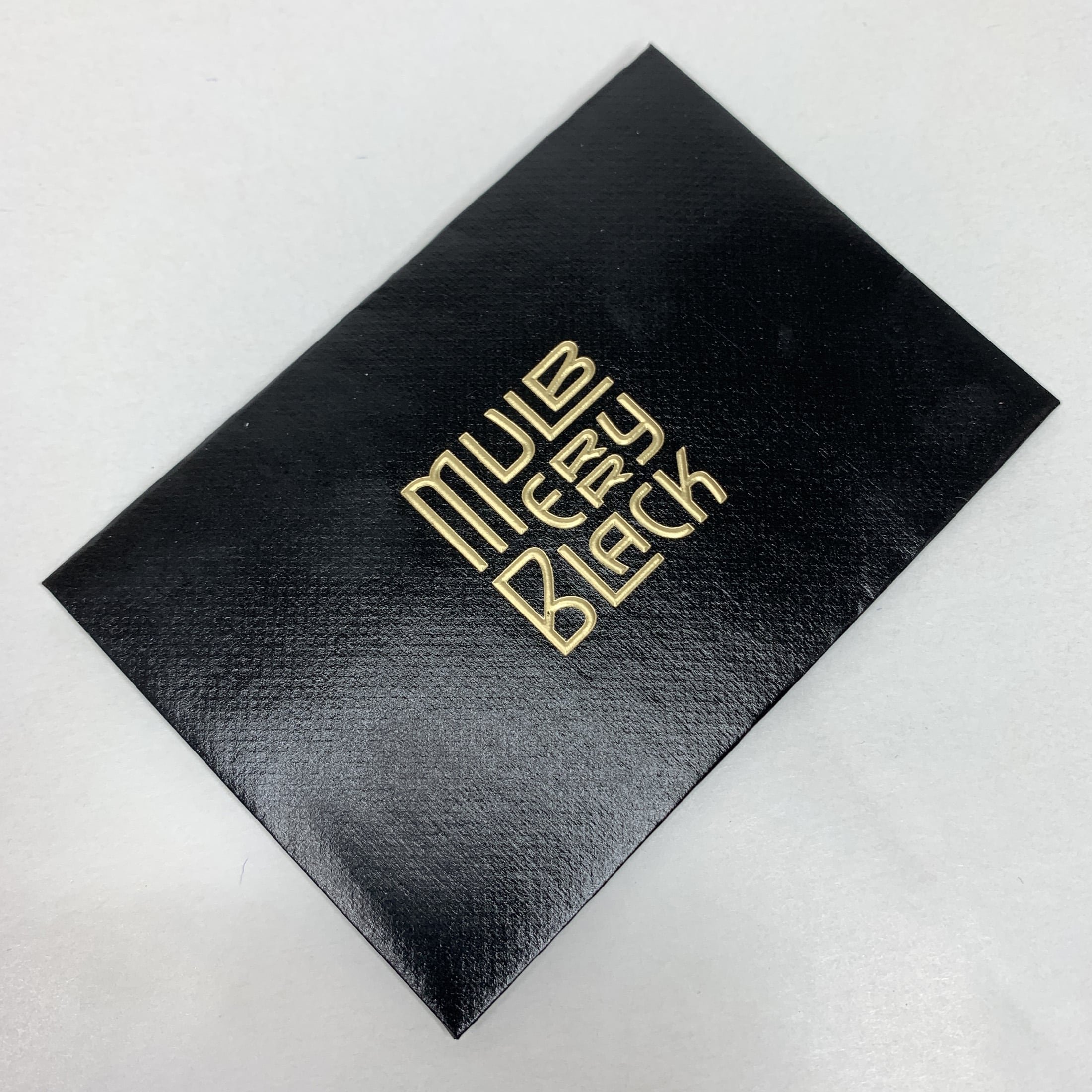
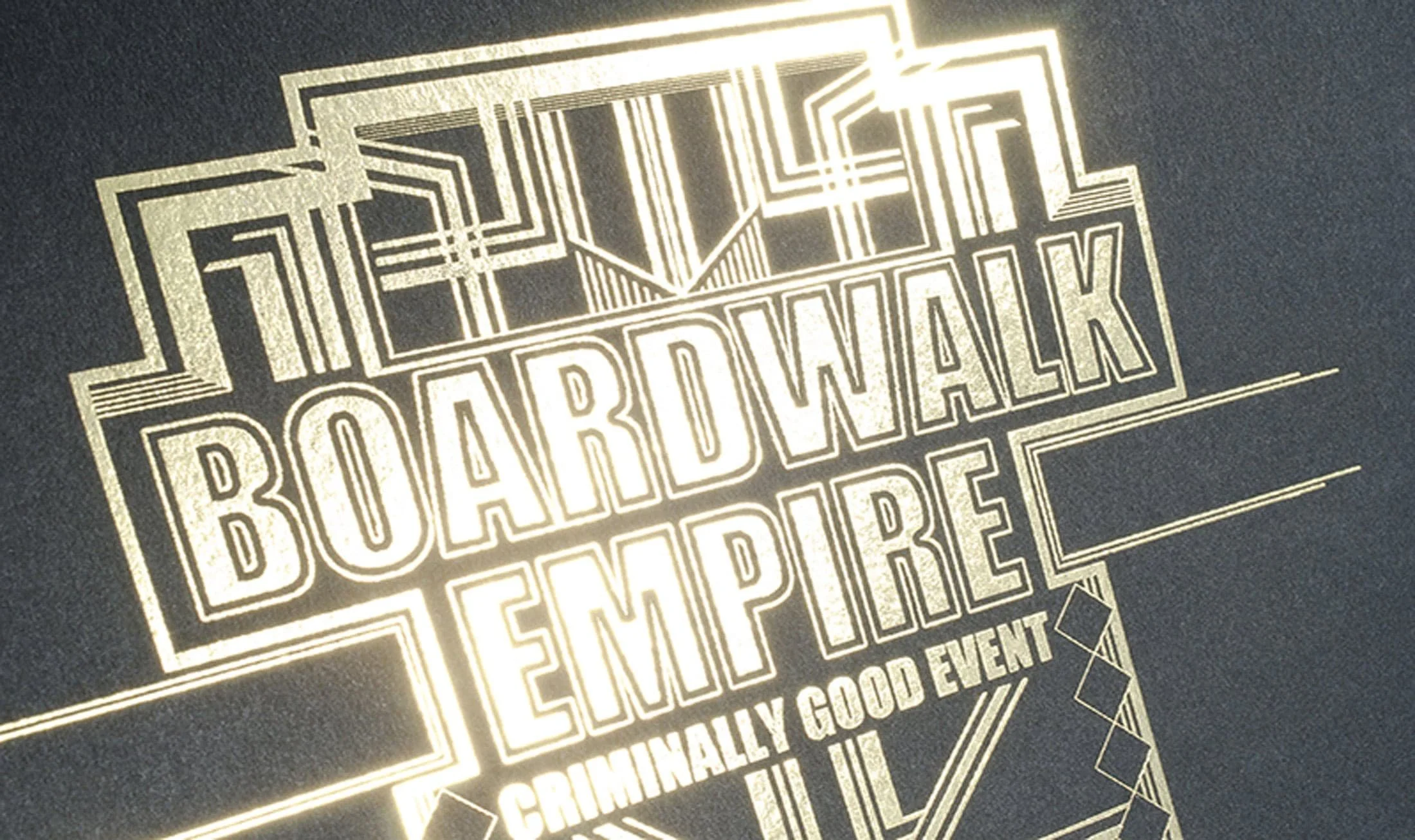
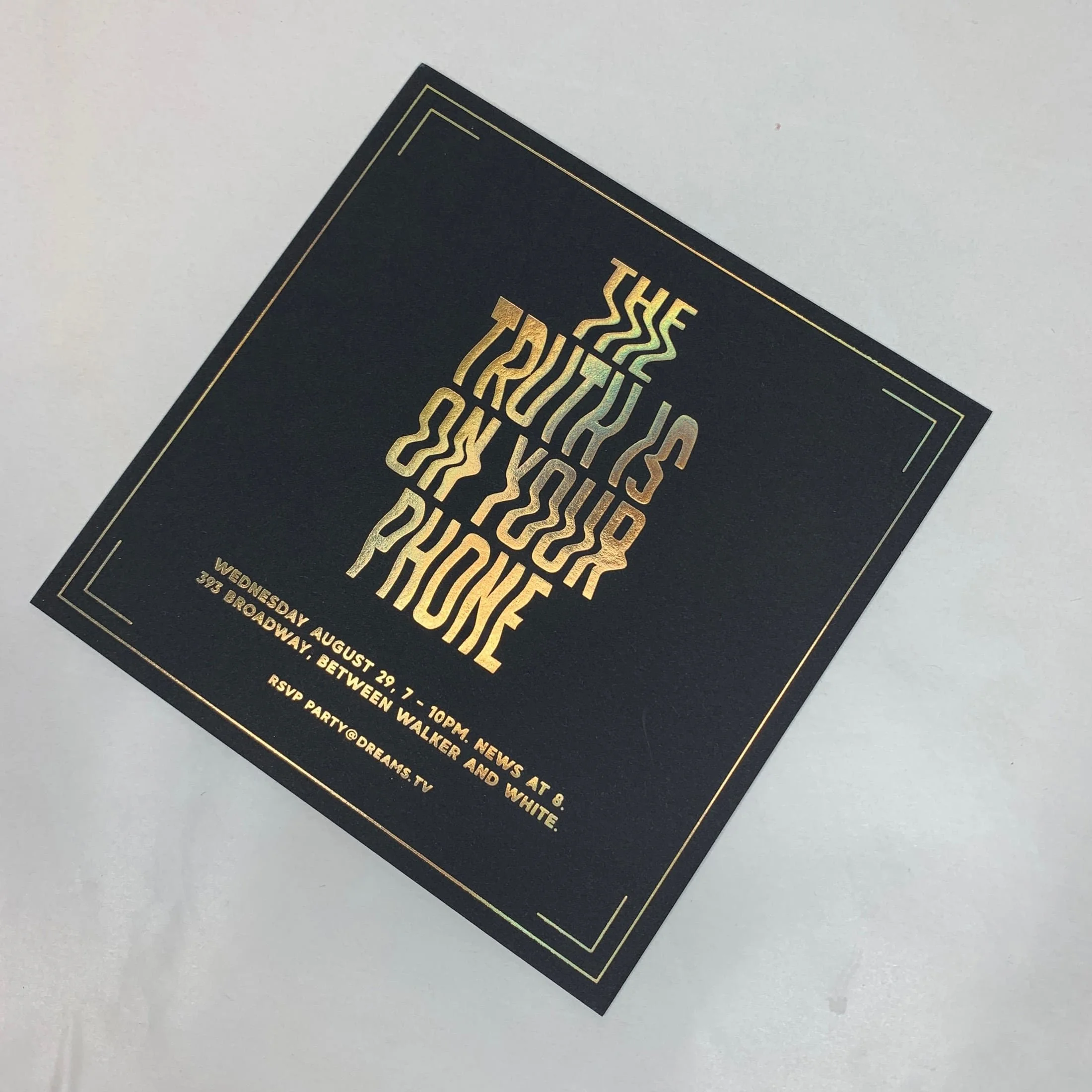
Foil stamping introduces reflectivity and contrast to black paper, allowing details to catch light and stay sharply defined. From fine lines to solid coverage, the result is precise, durable, and visually distinct.







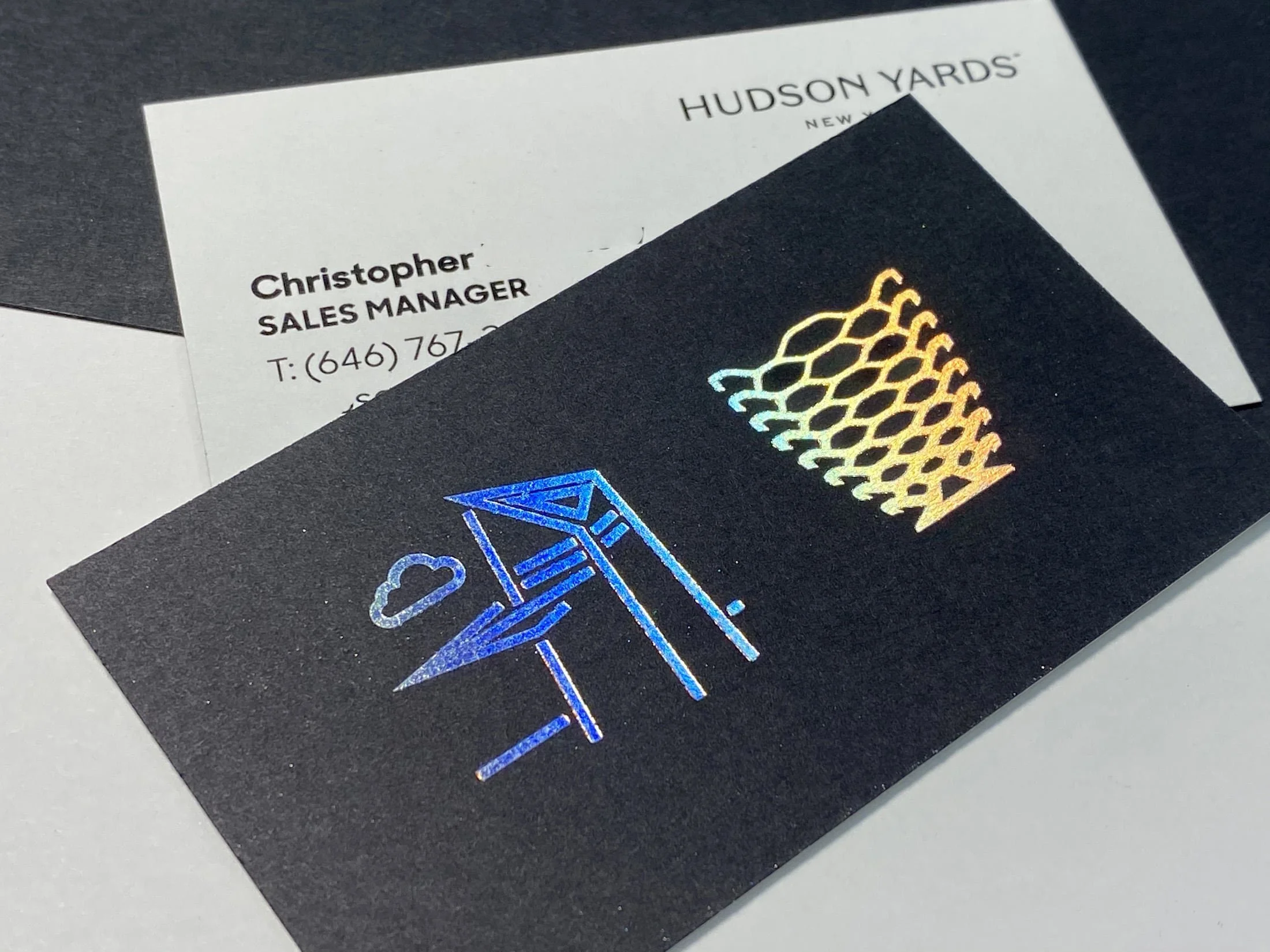
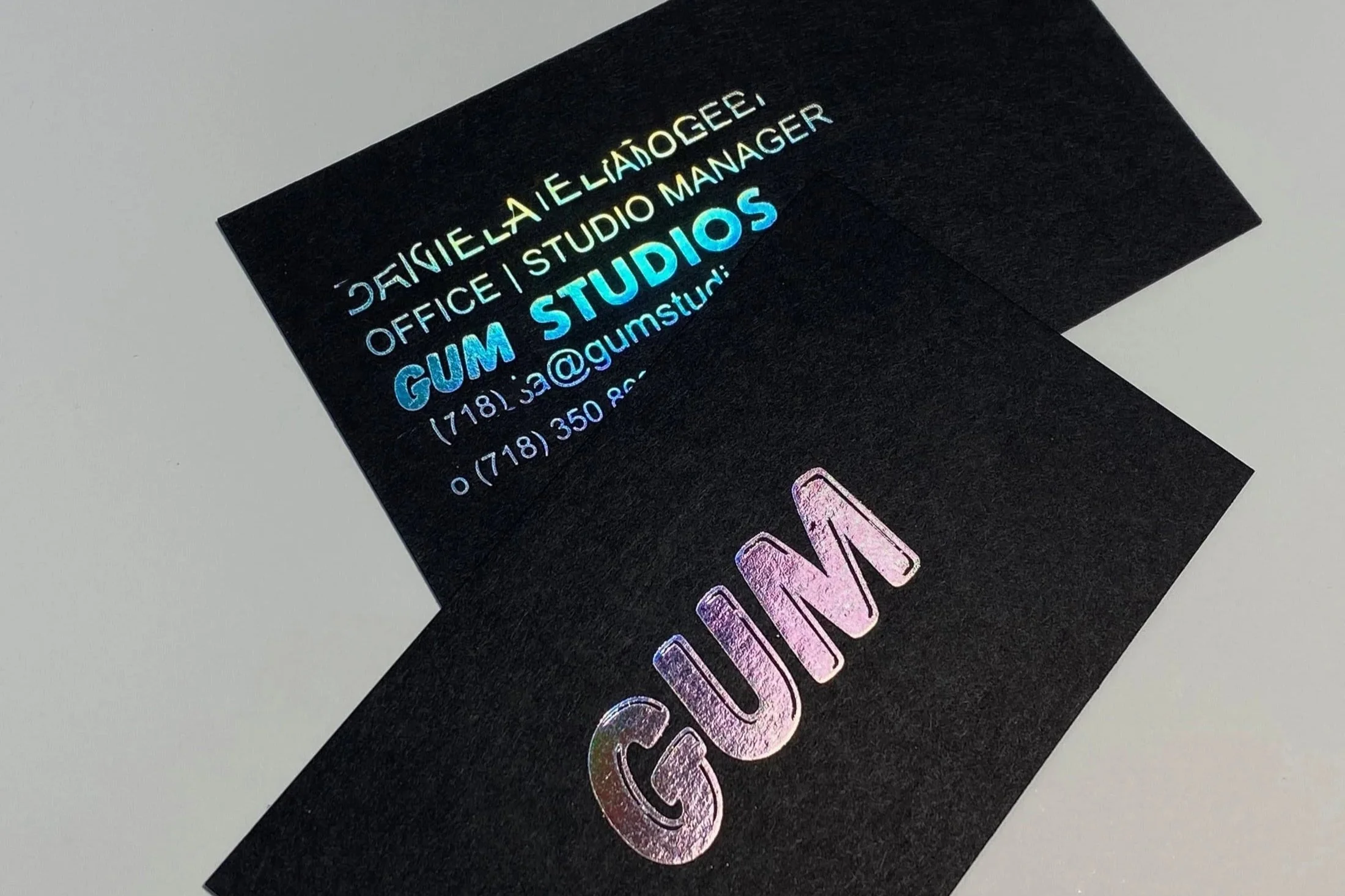

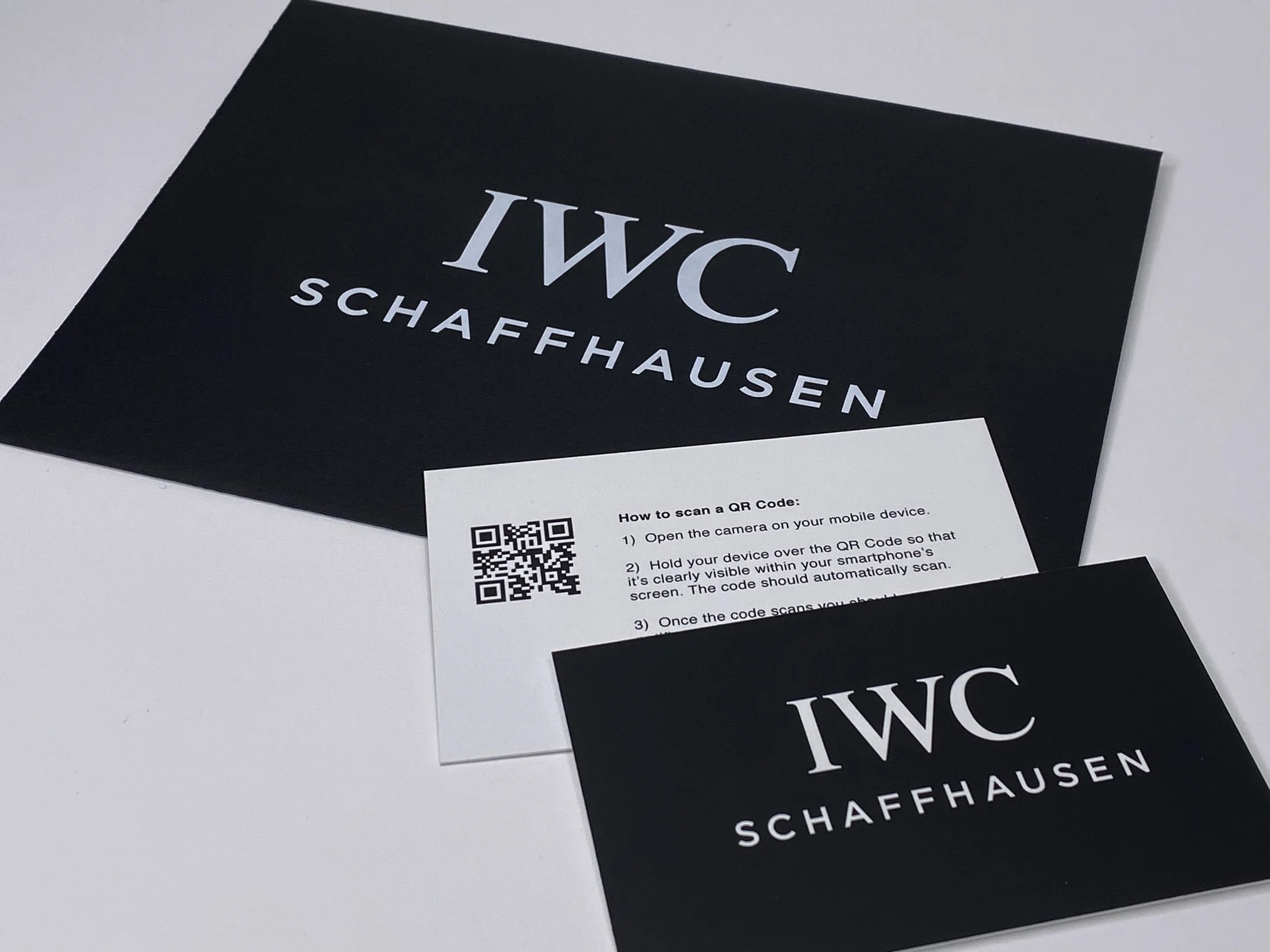
Black Paper Business Cards
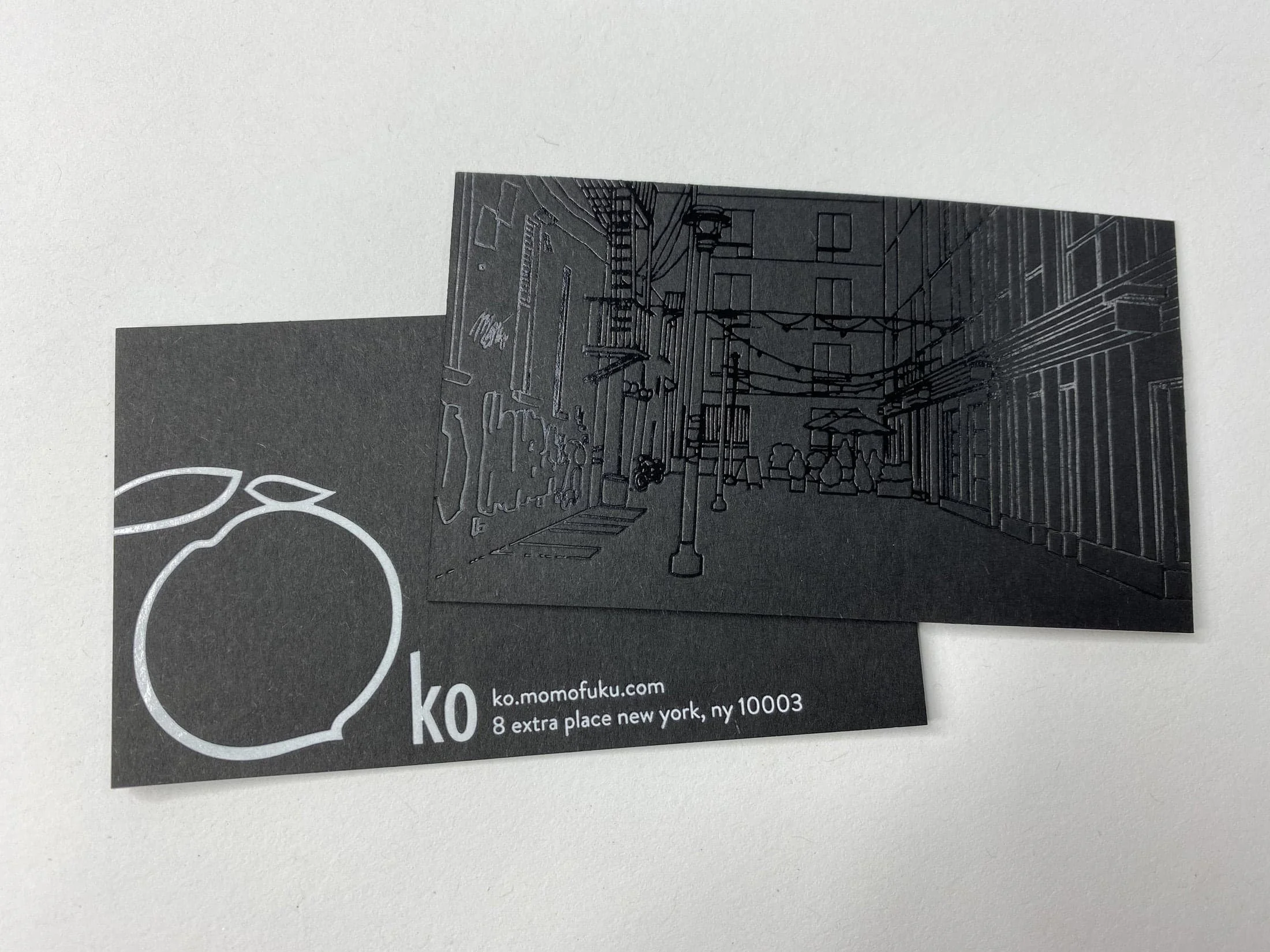
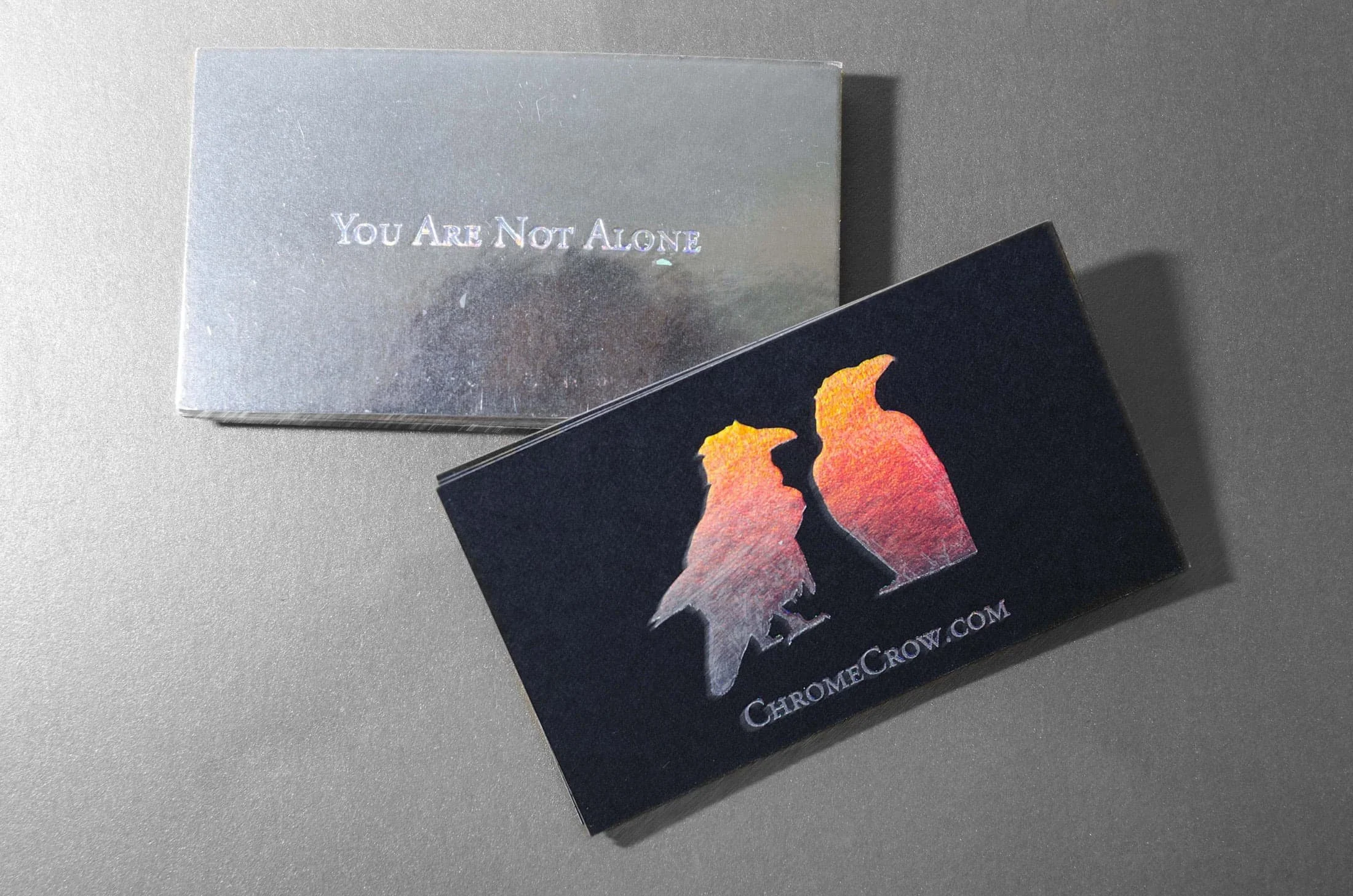
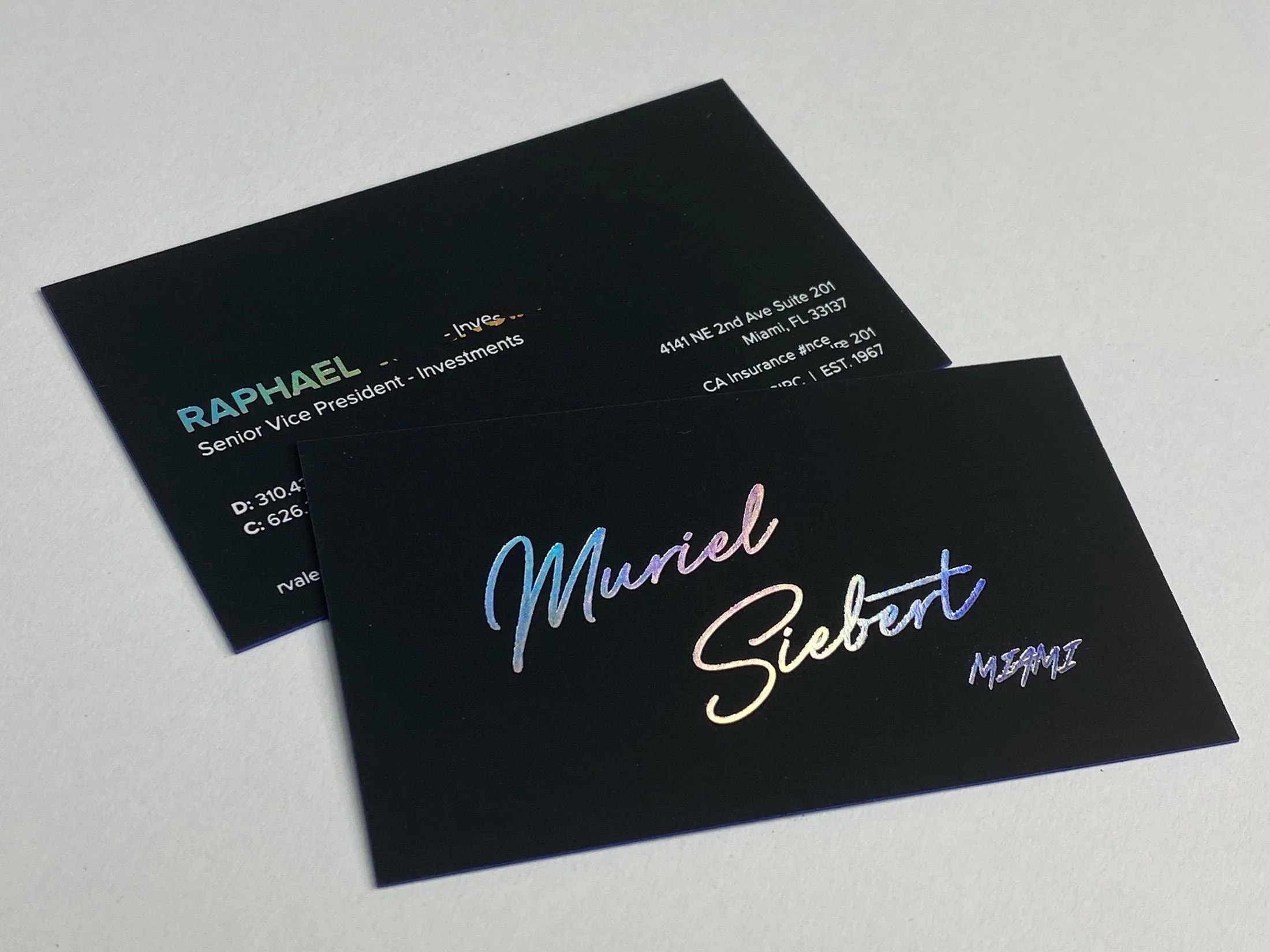
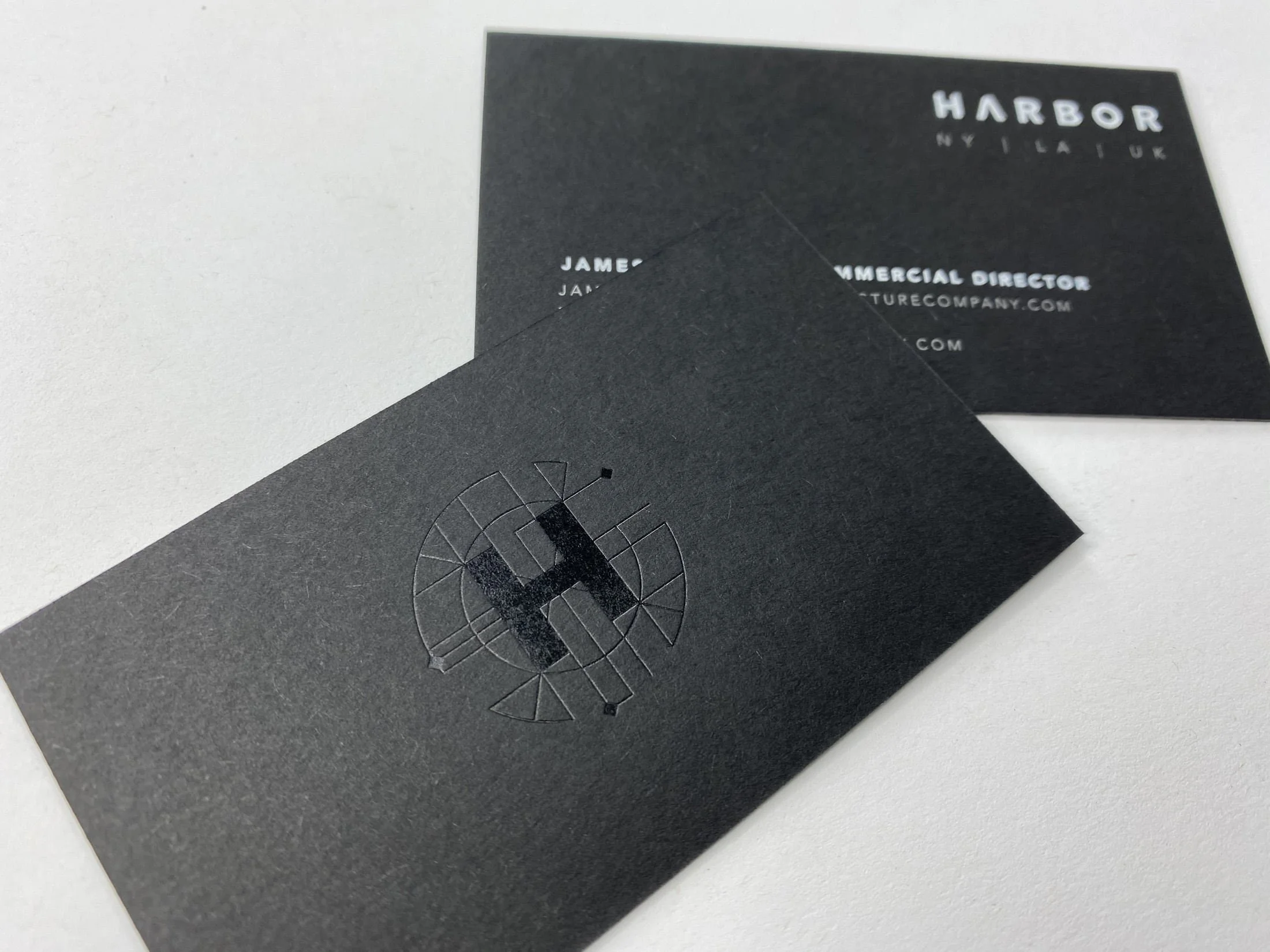
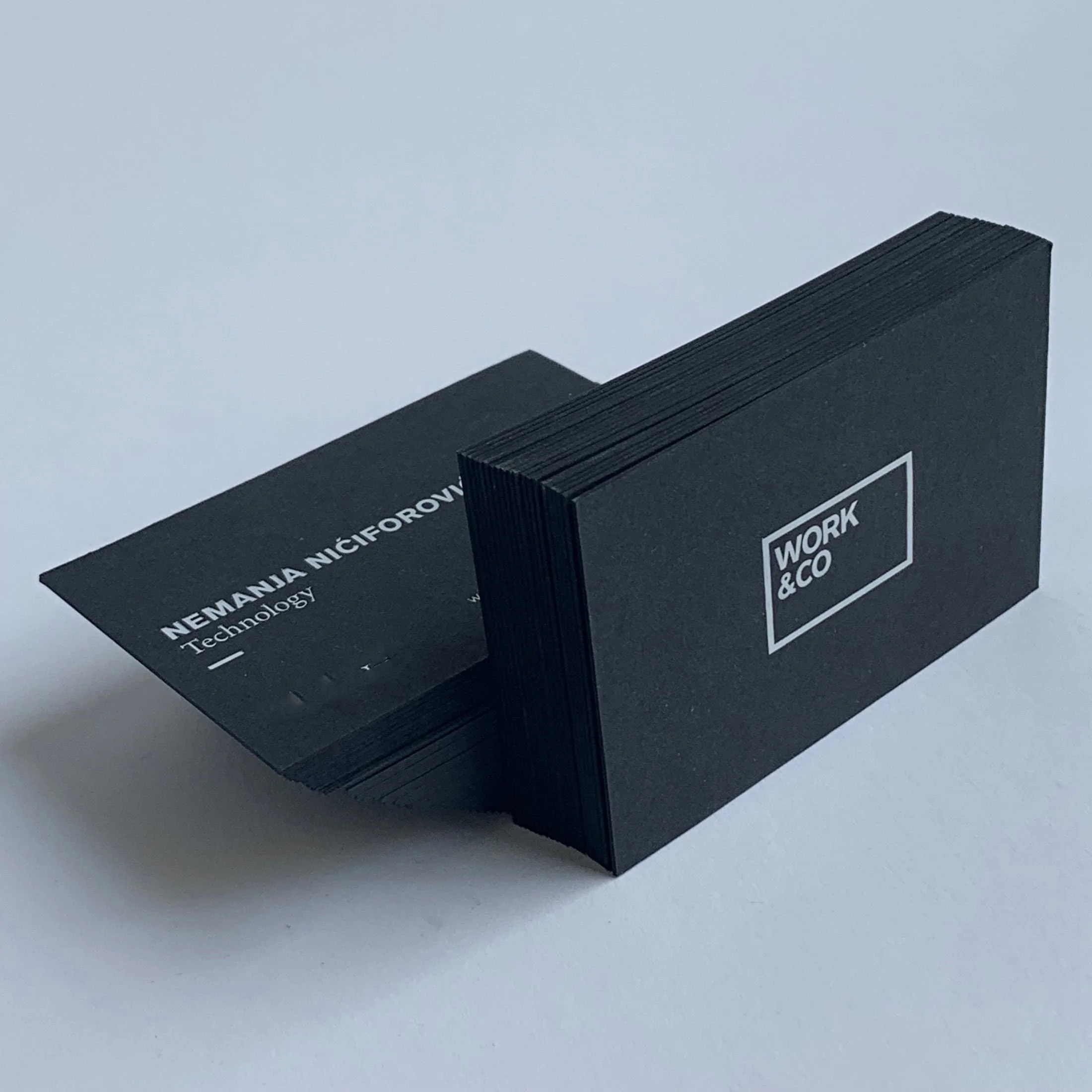
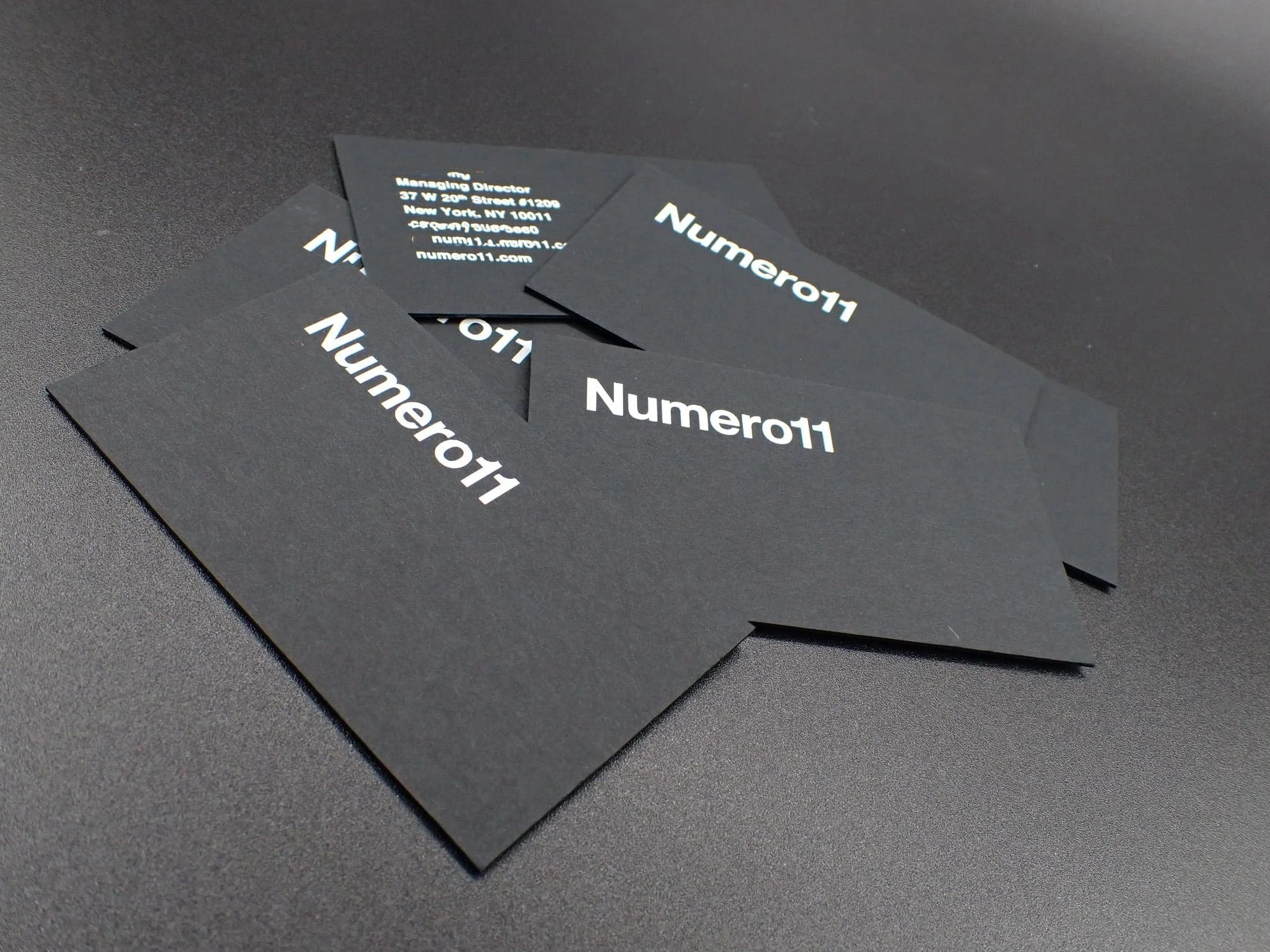
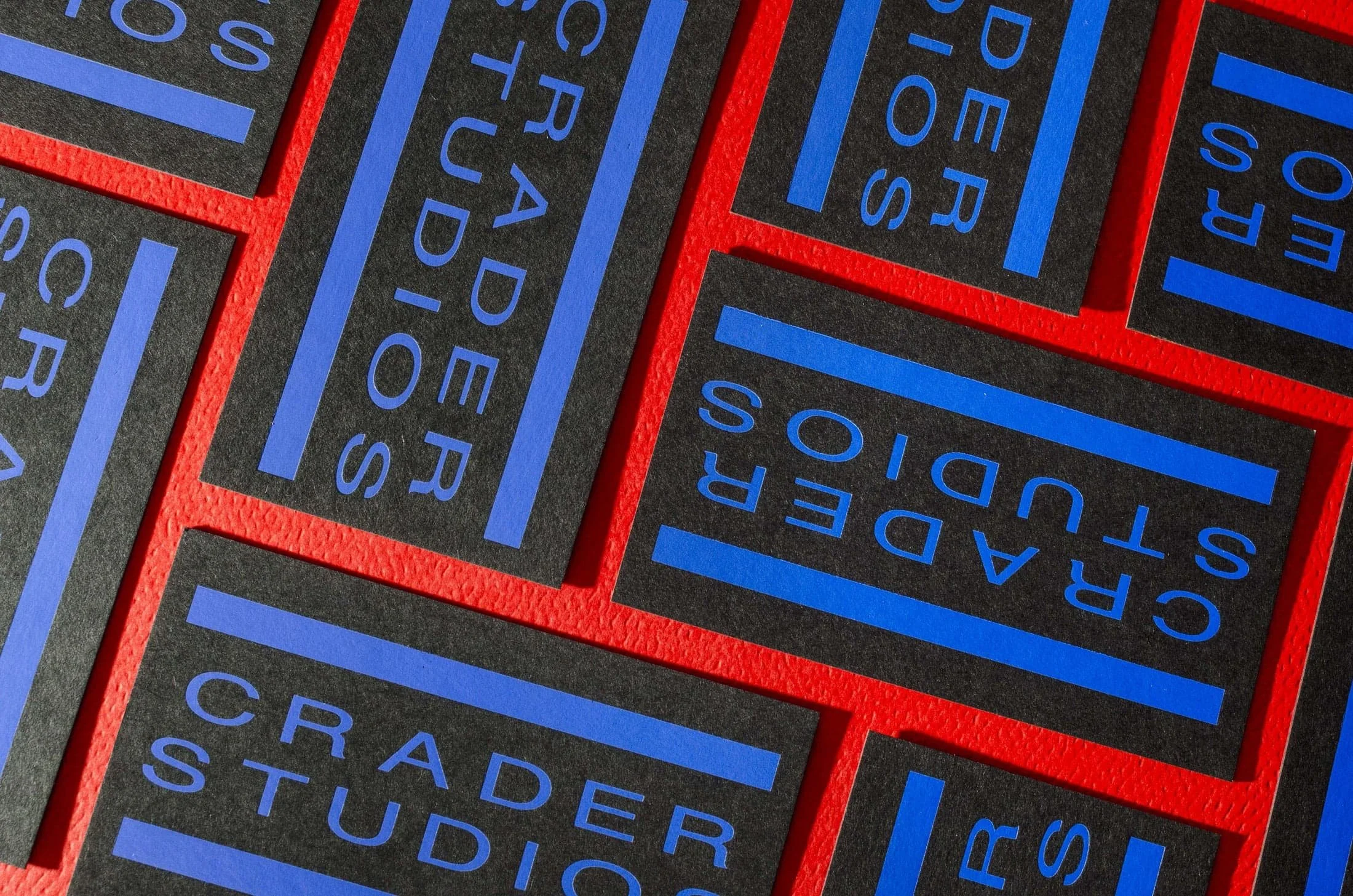
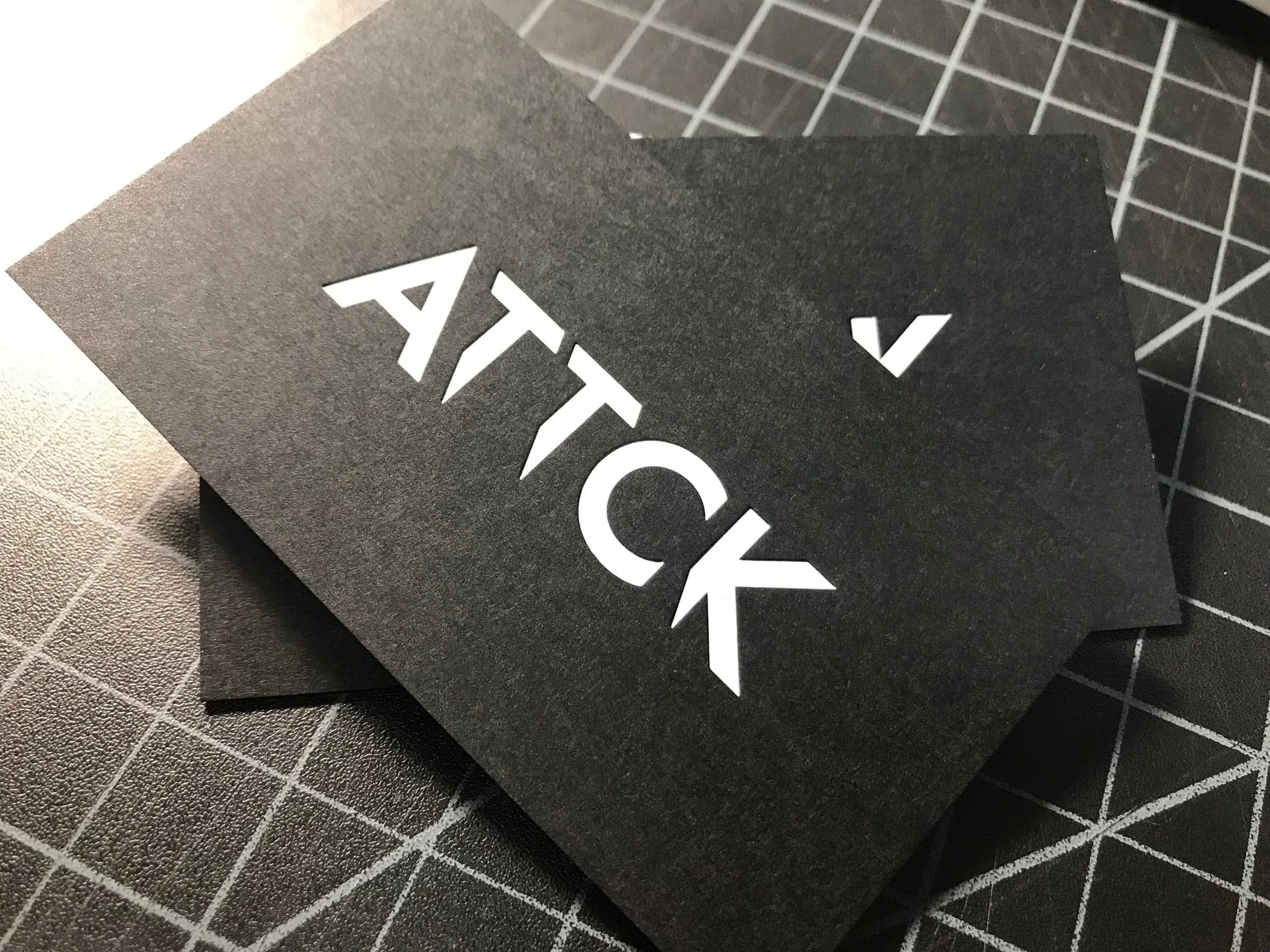
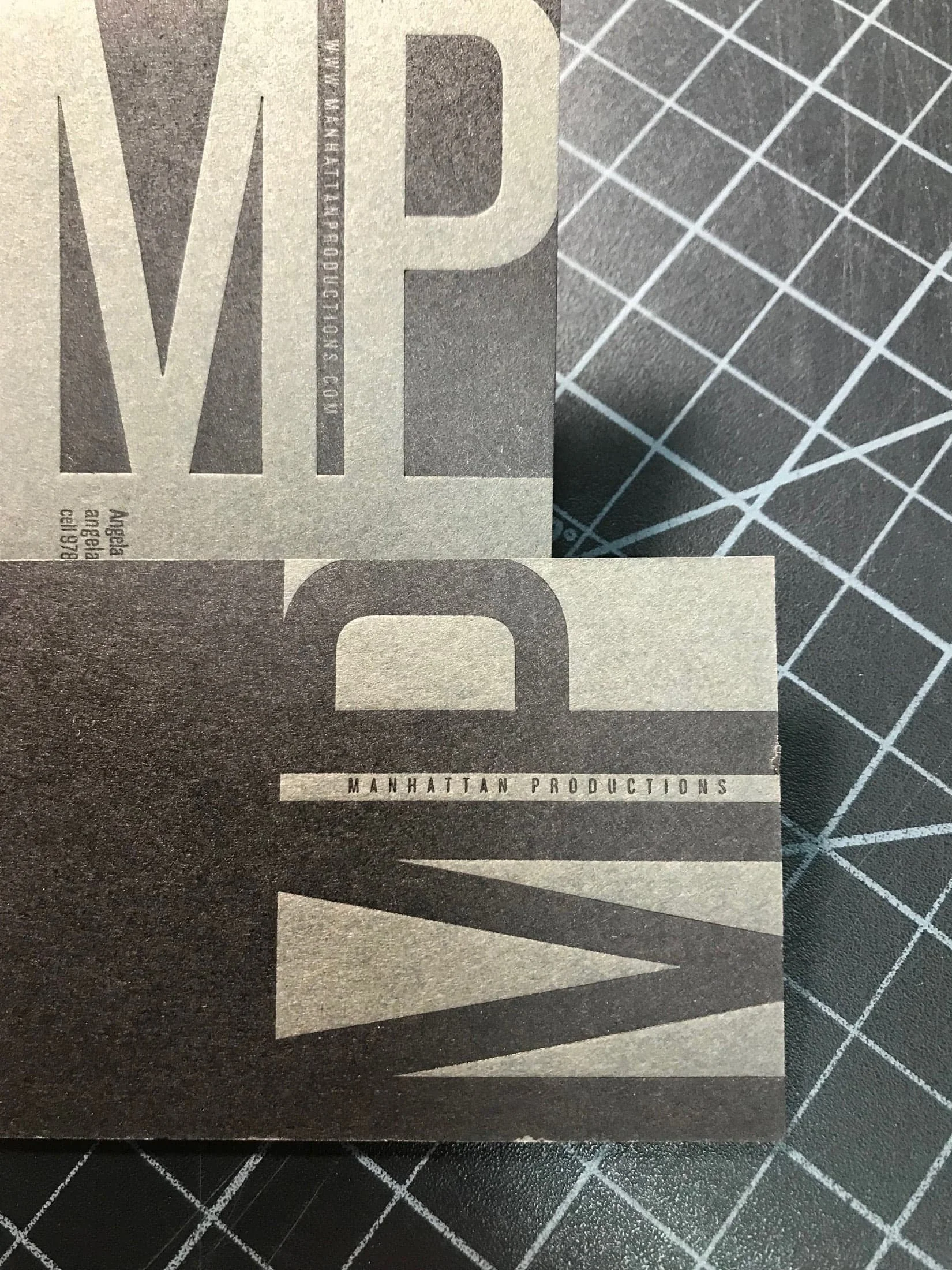
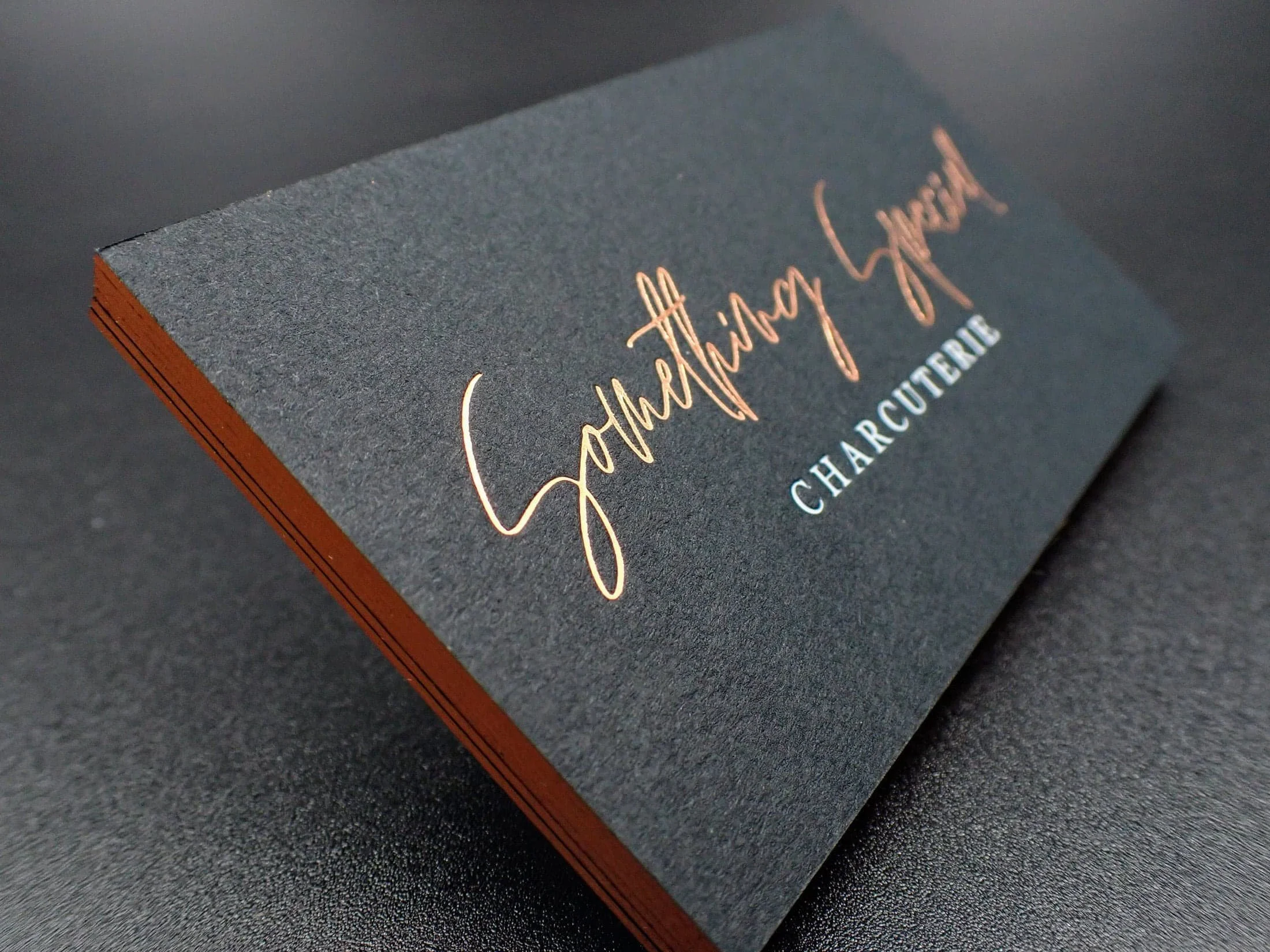
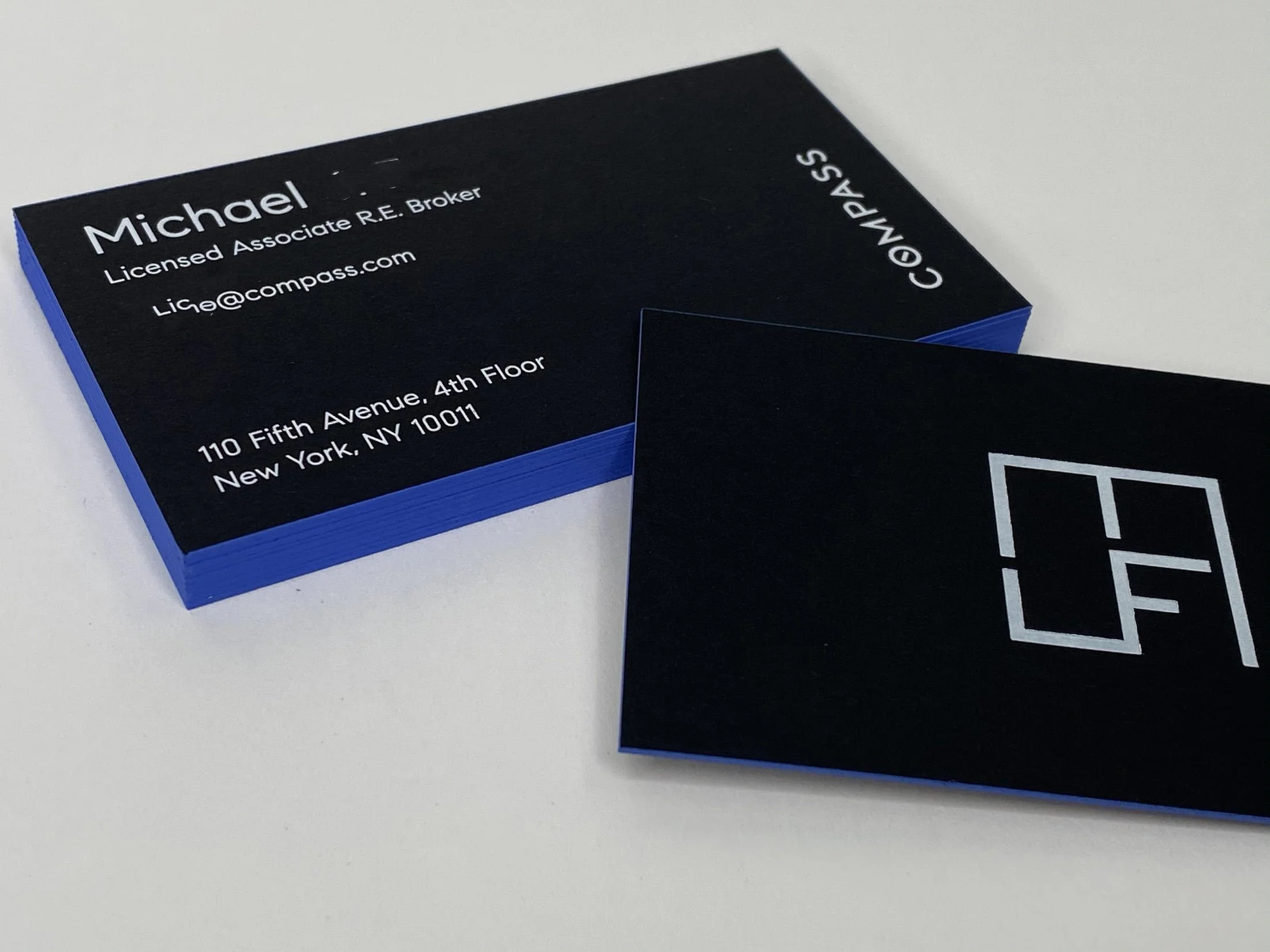
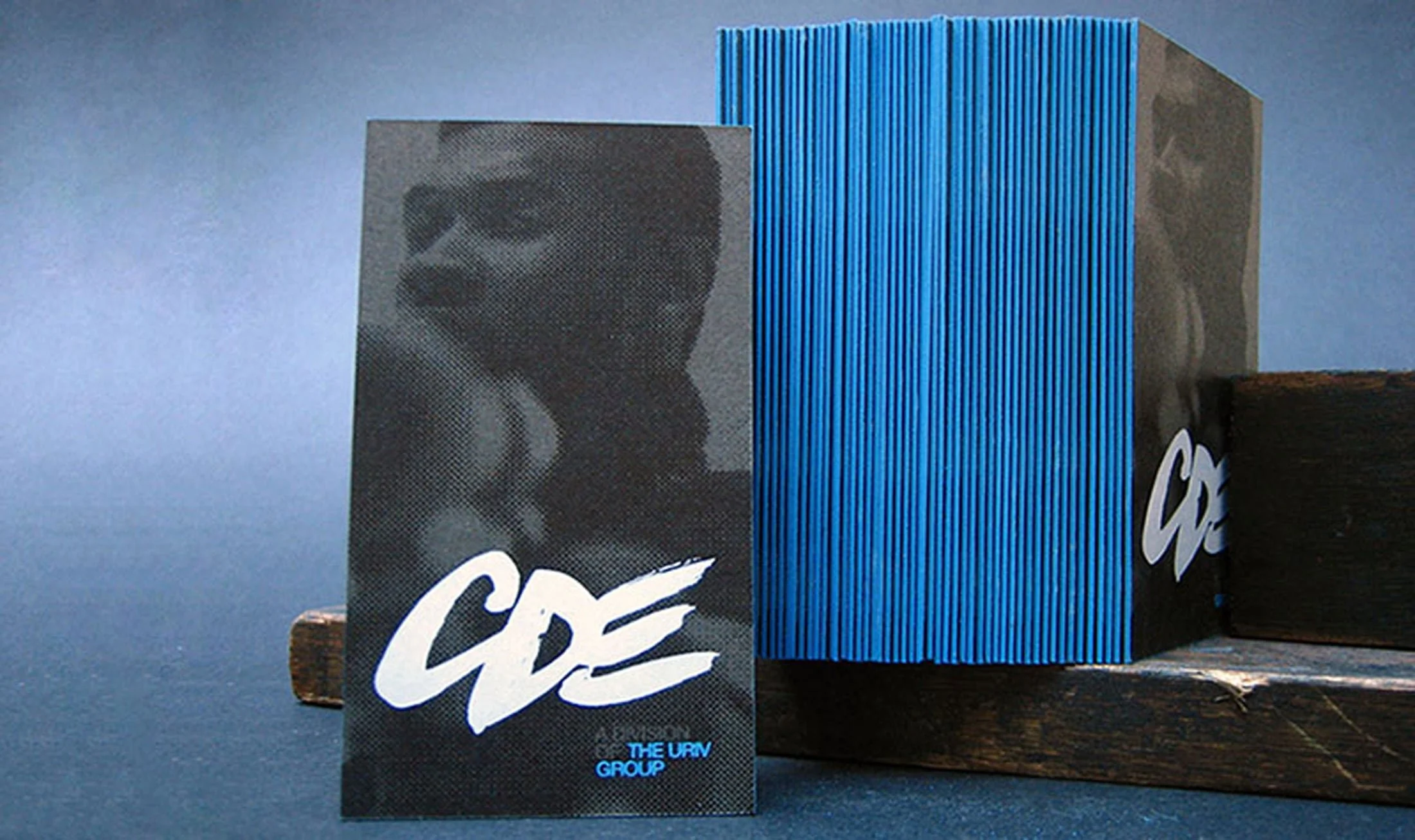
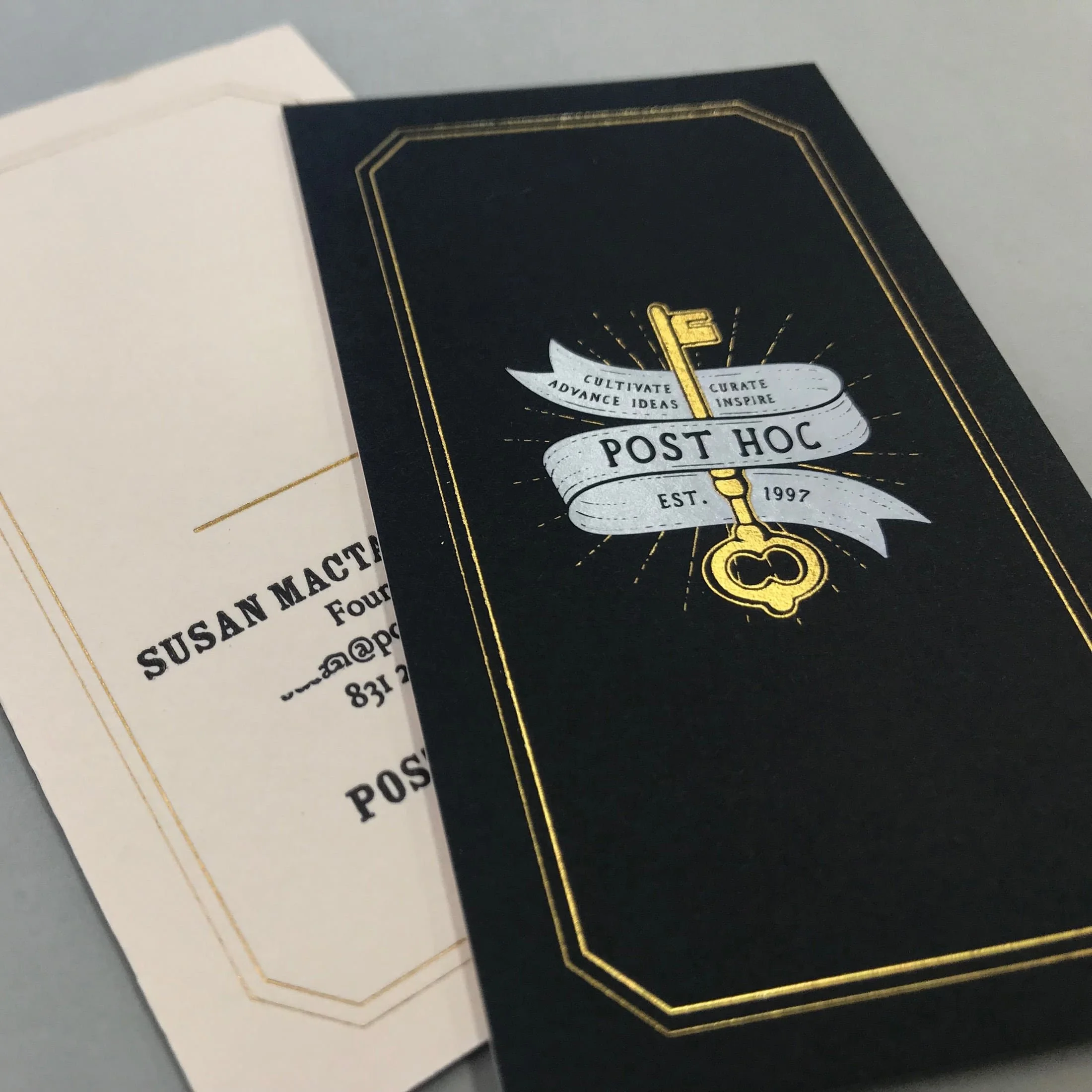
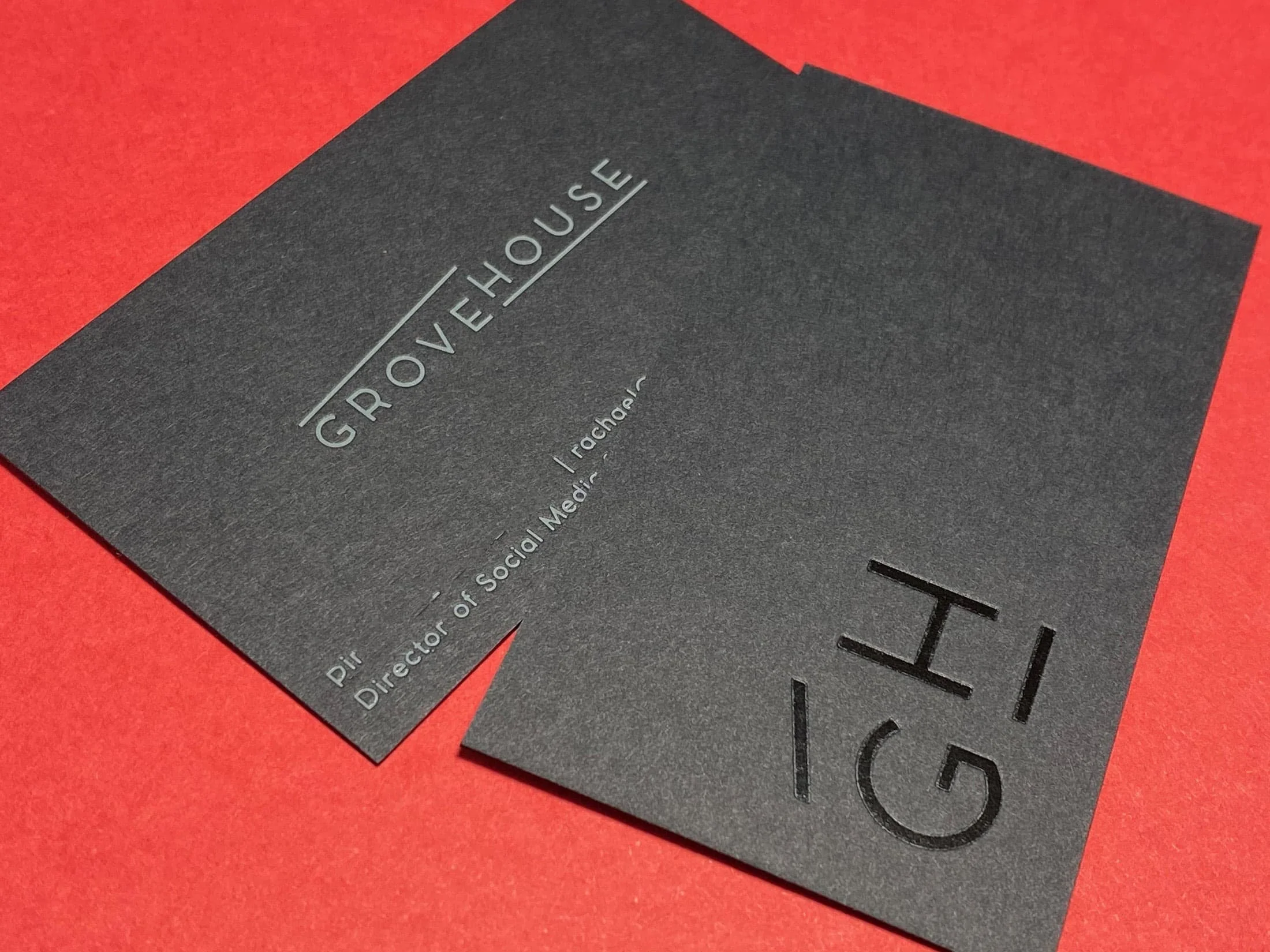
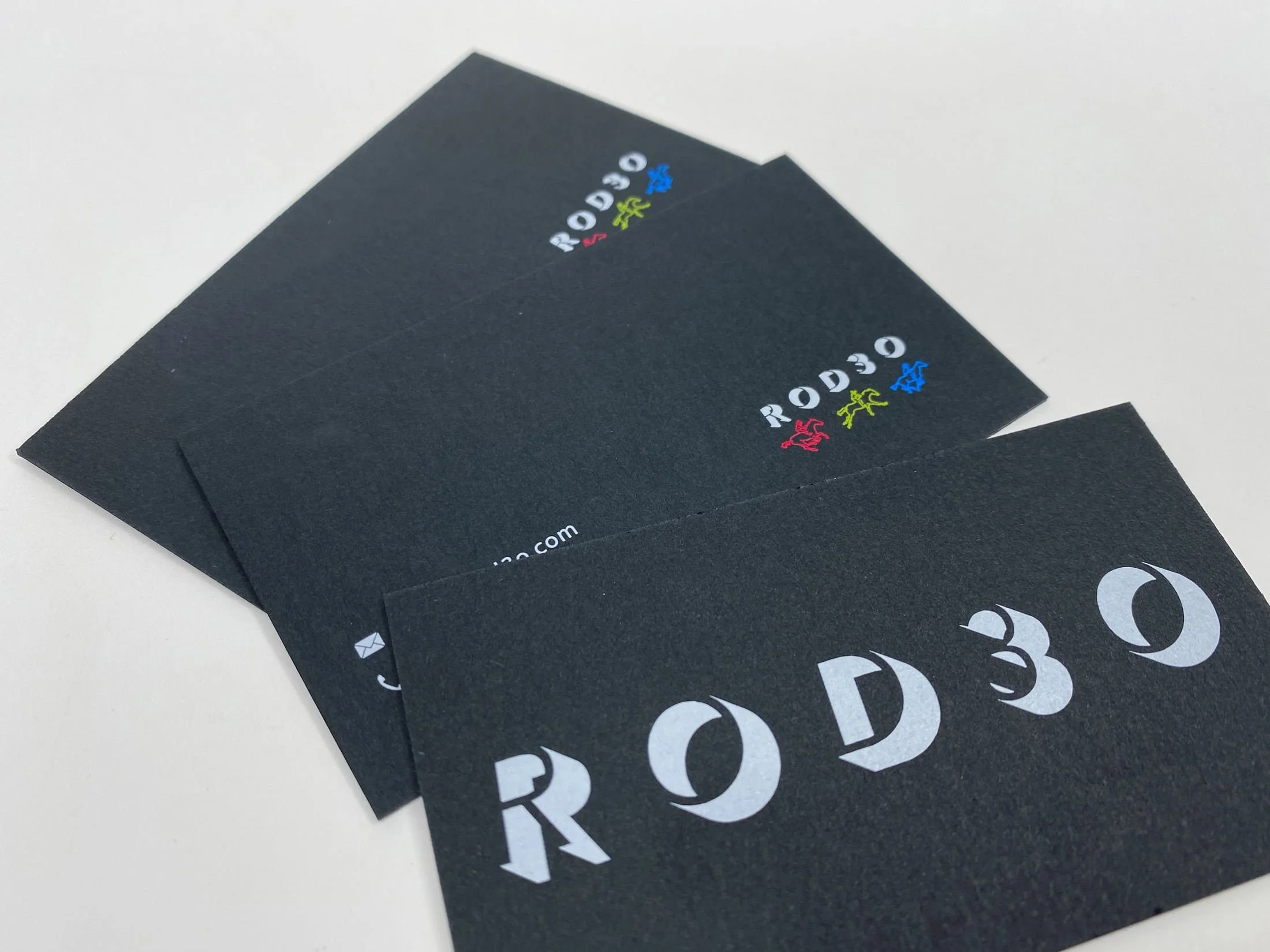
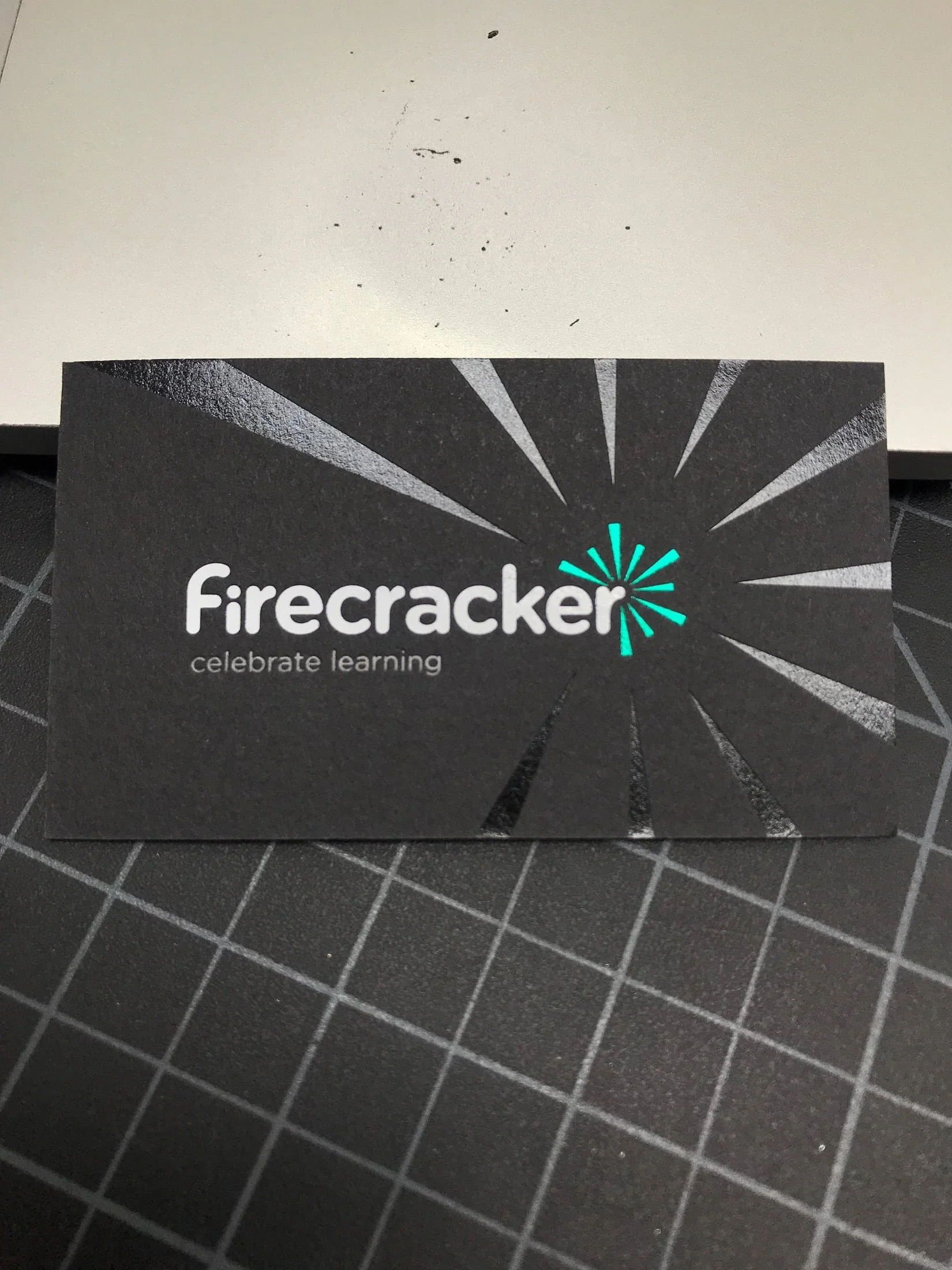
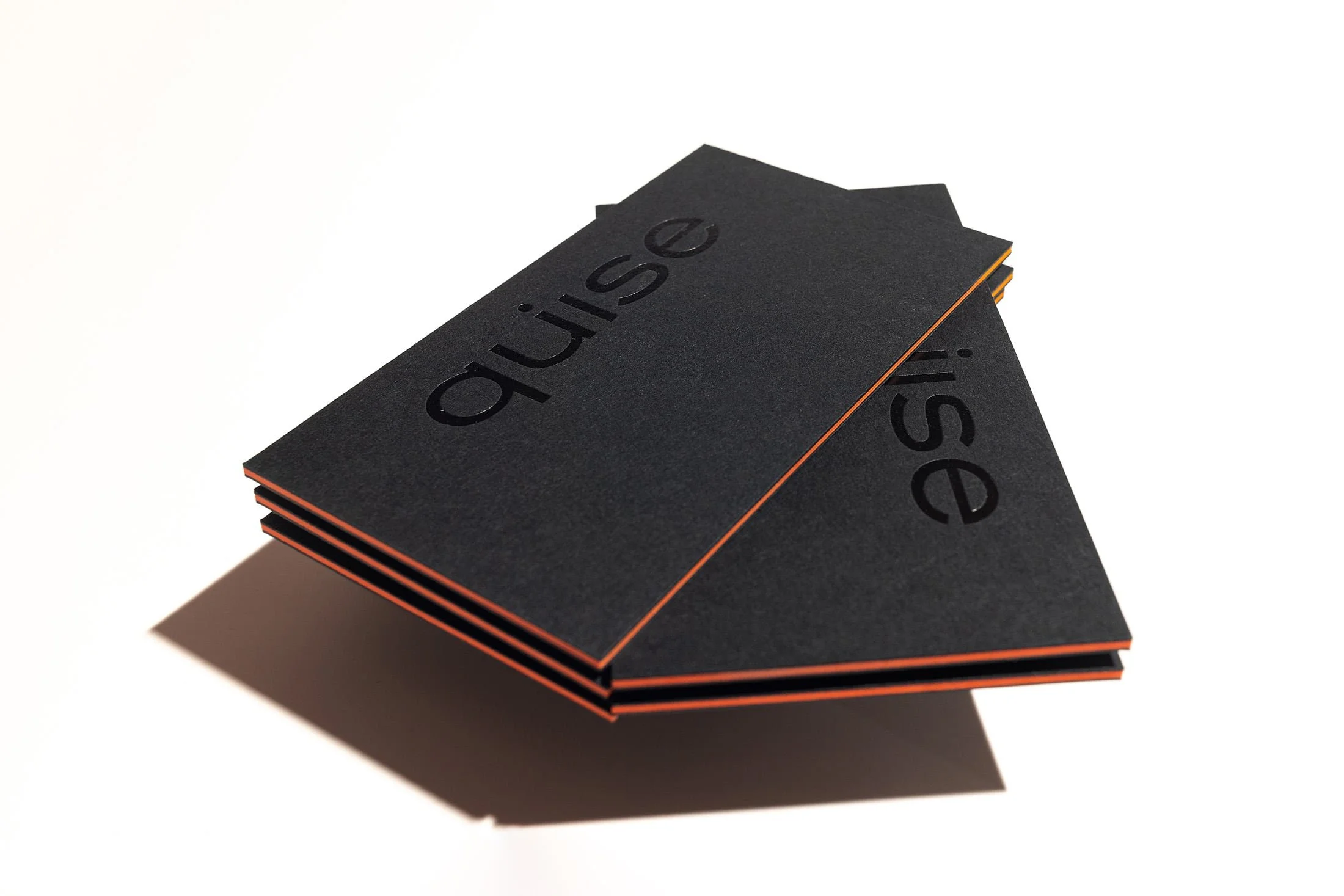
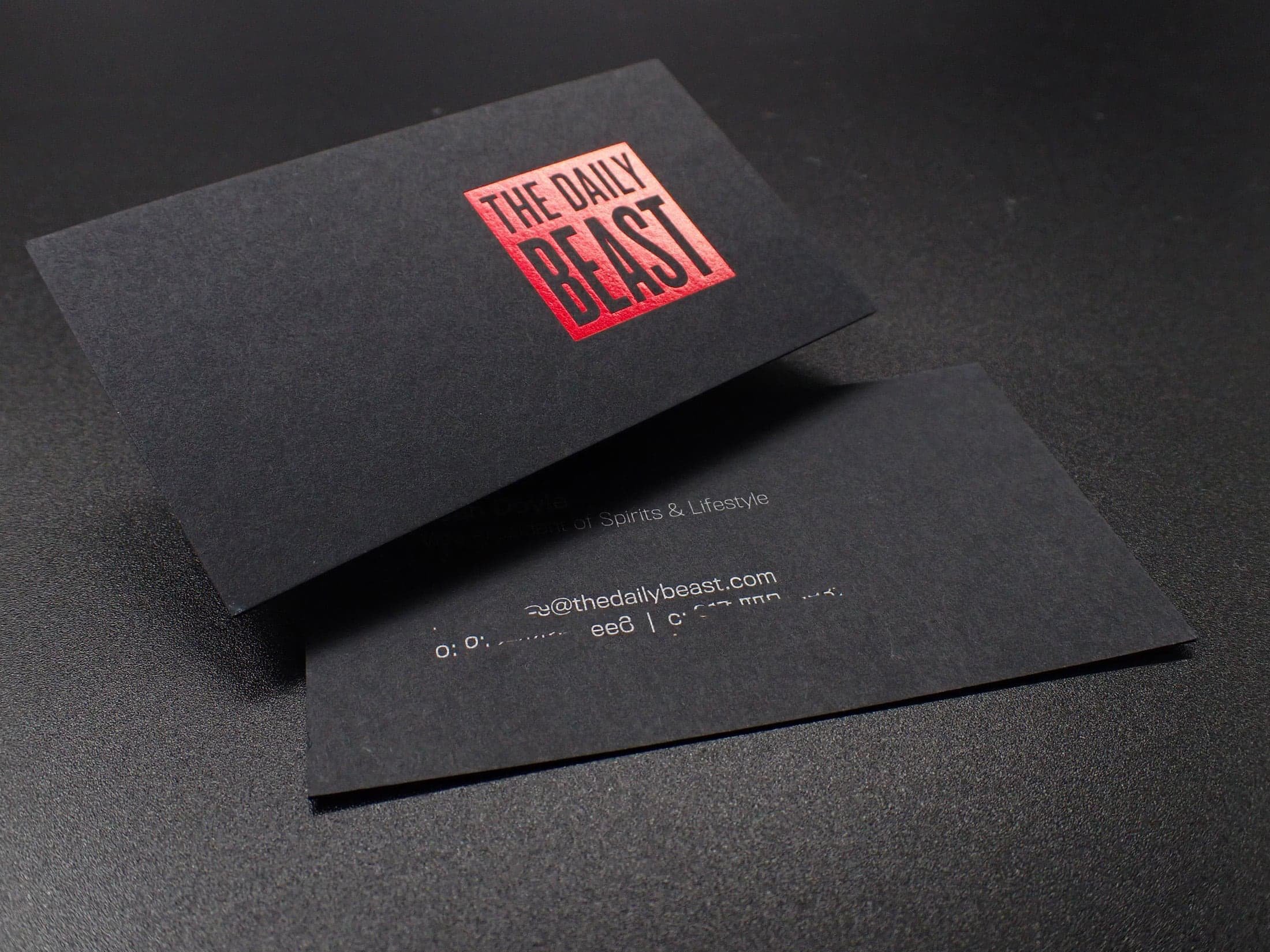
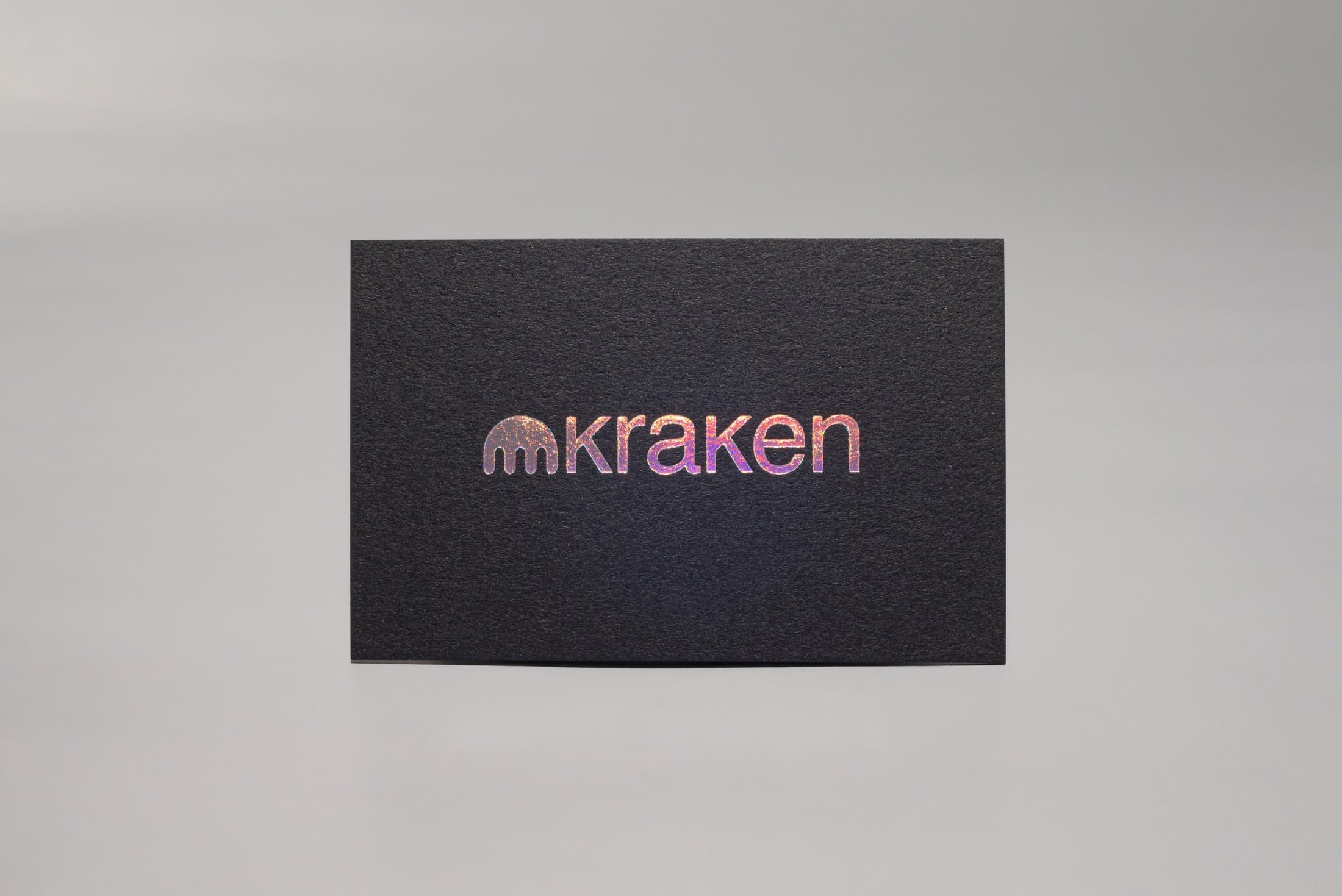
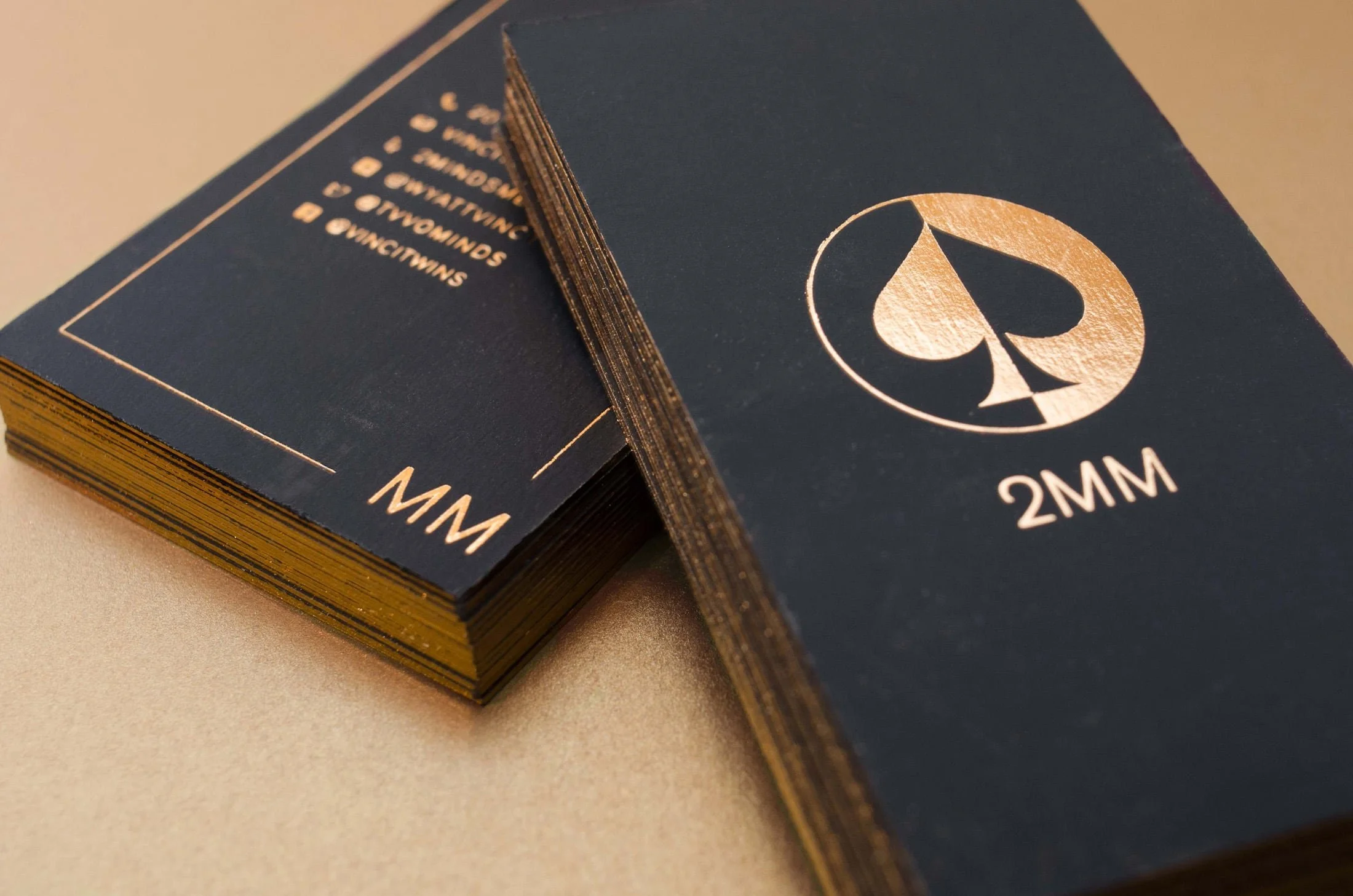
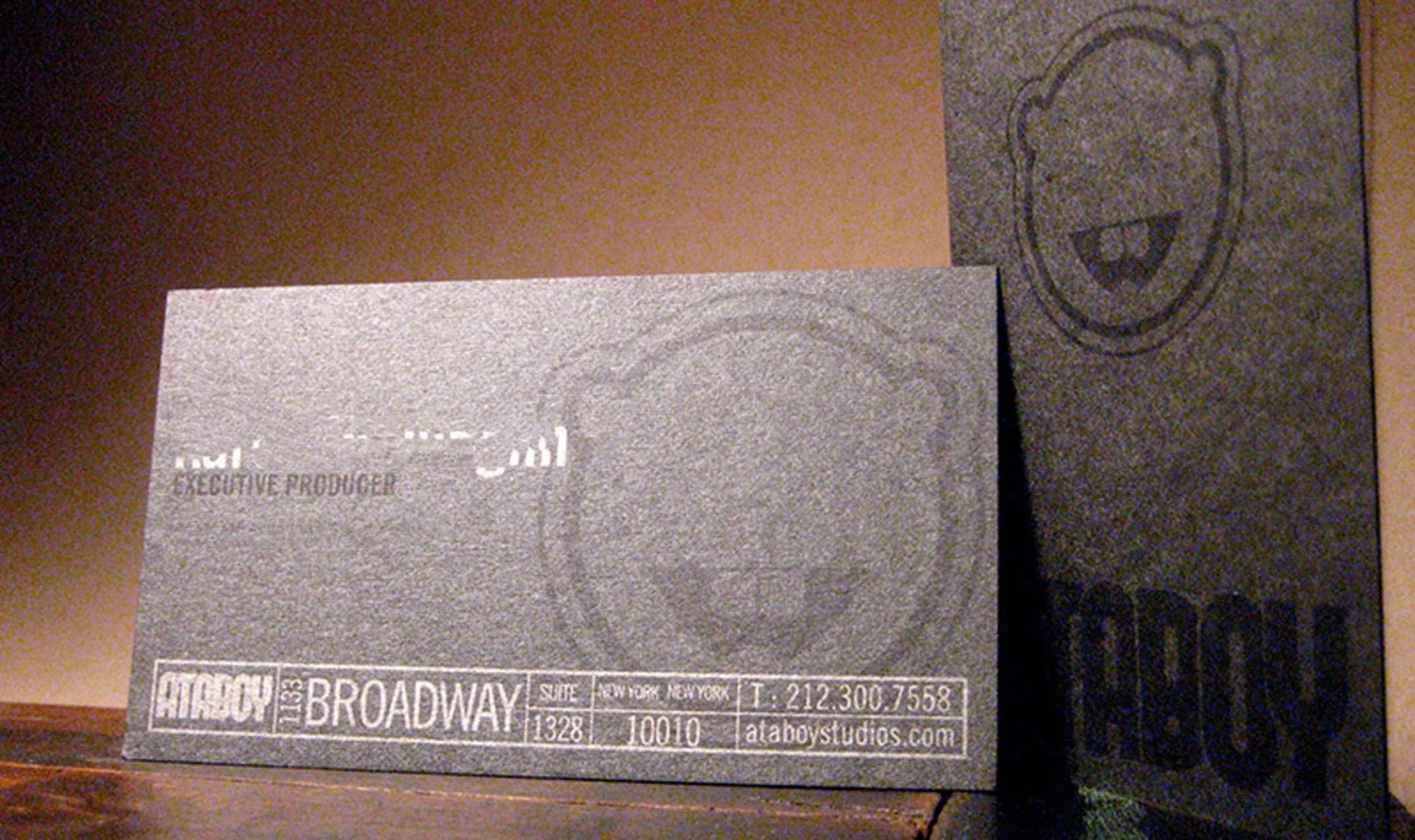
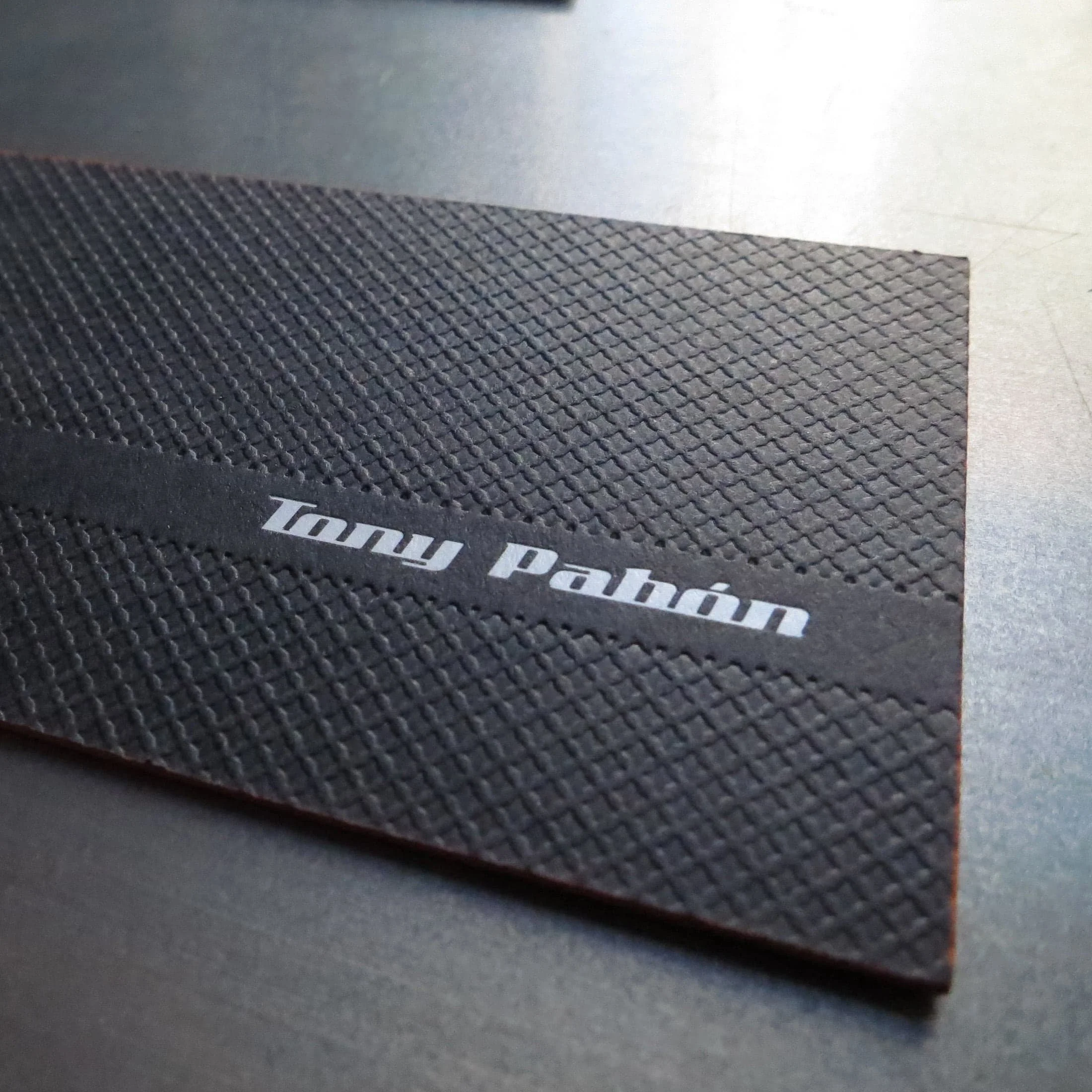
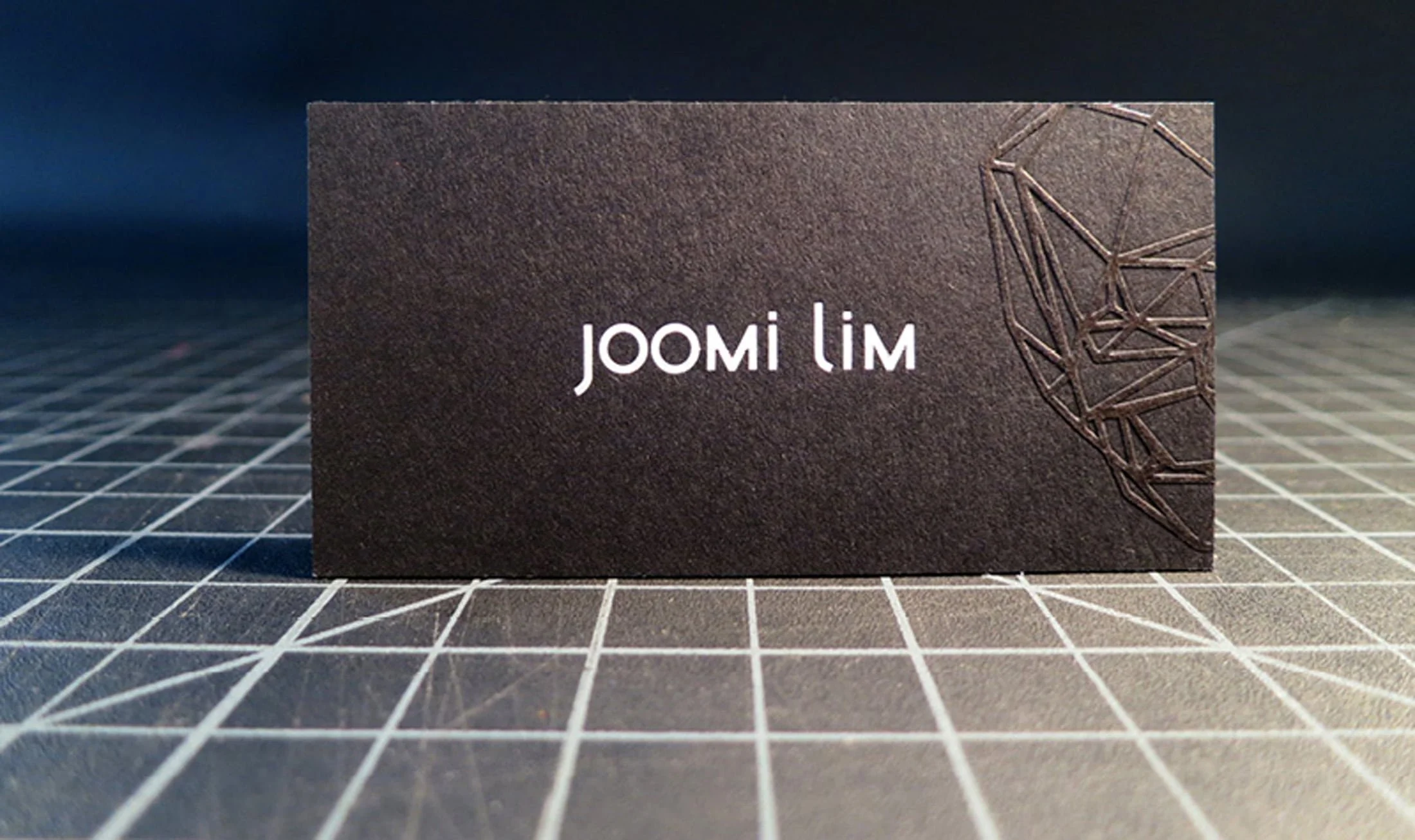
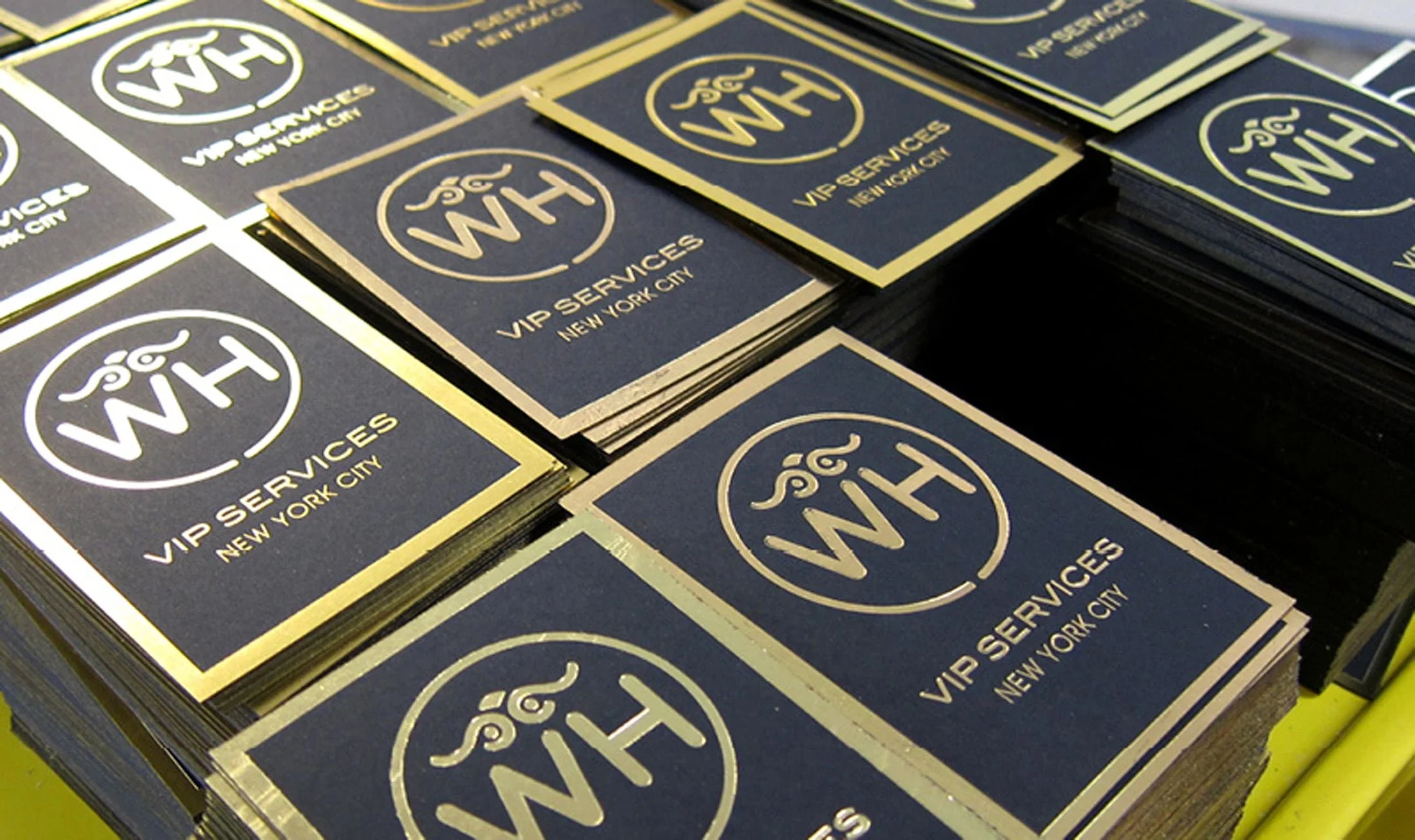
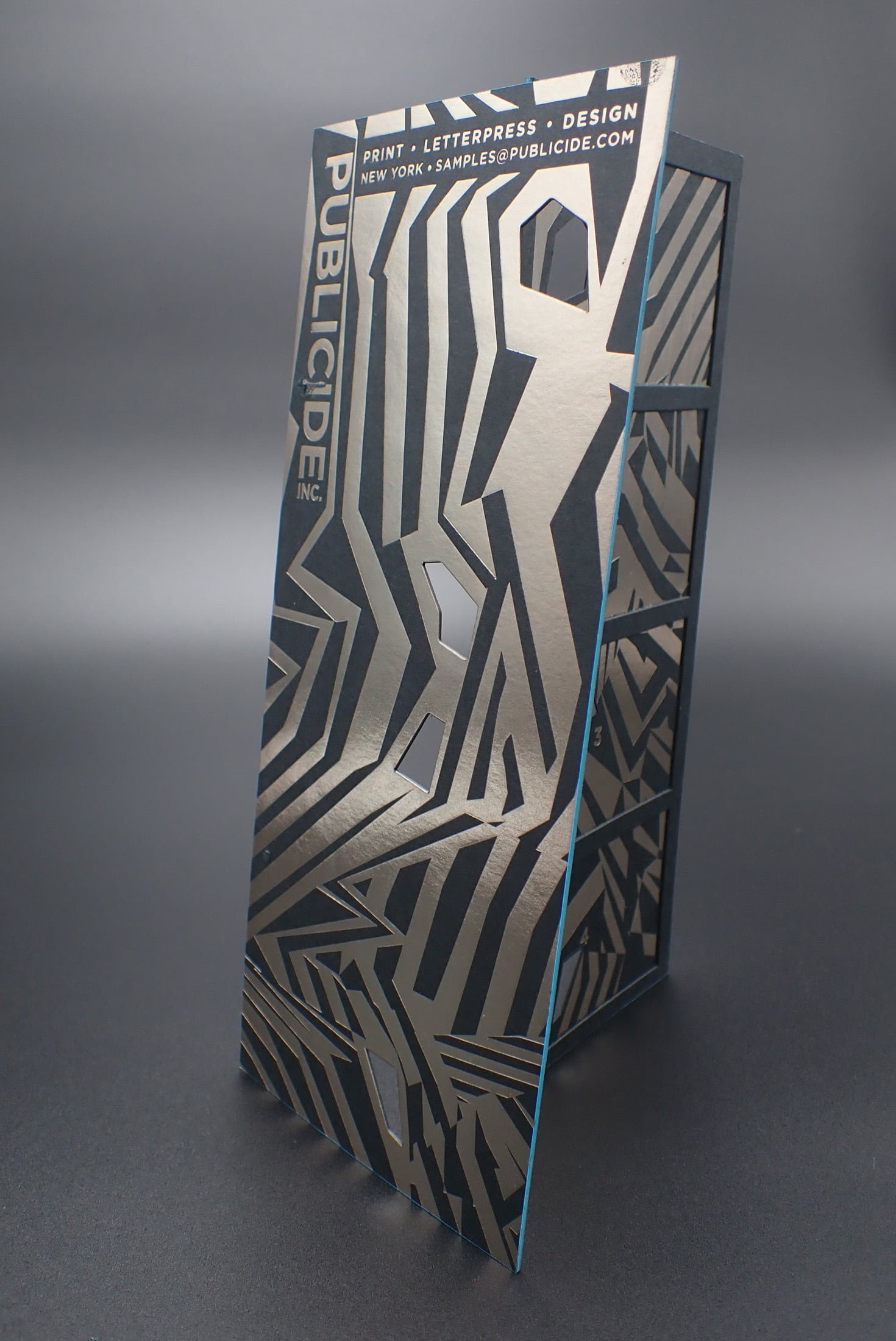
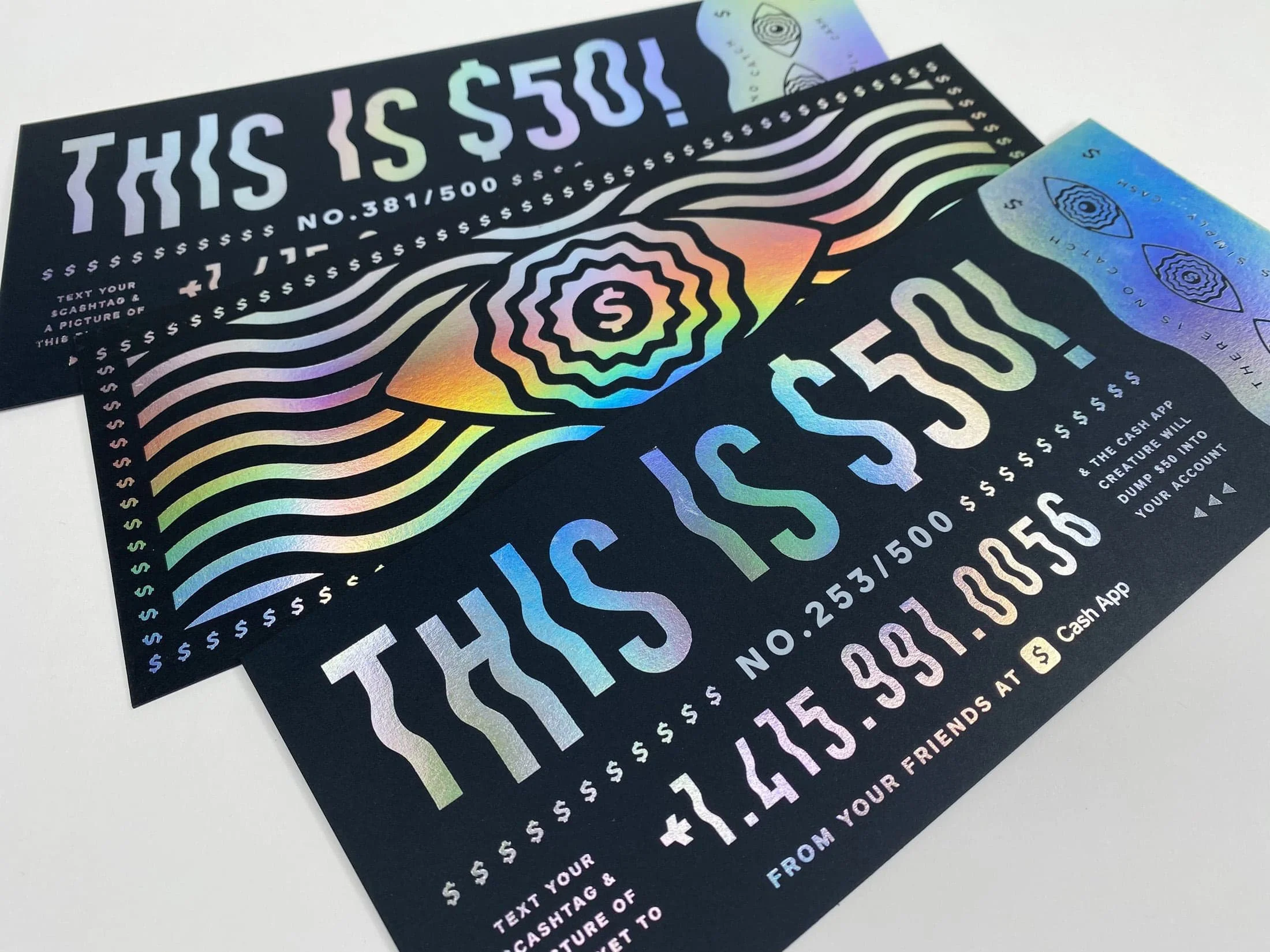
Black paper business cards are built around precision and first impression. High-gloss white foil, holographic effects, and extra thickness create clarity and structure, producing cards that feel deliberate, balanced, and highly detailed.
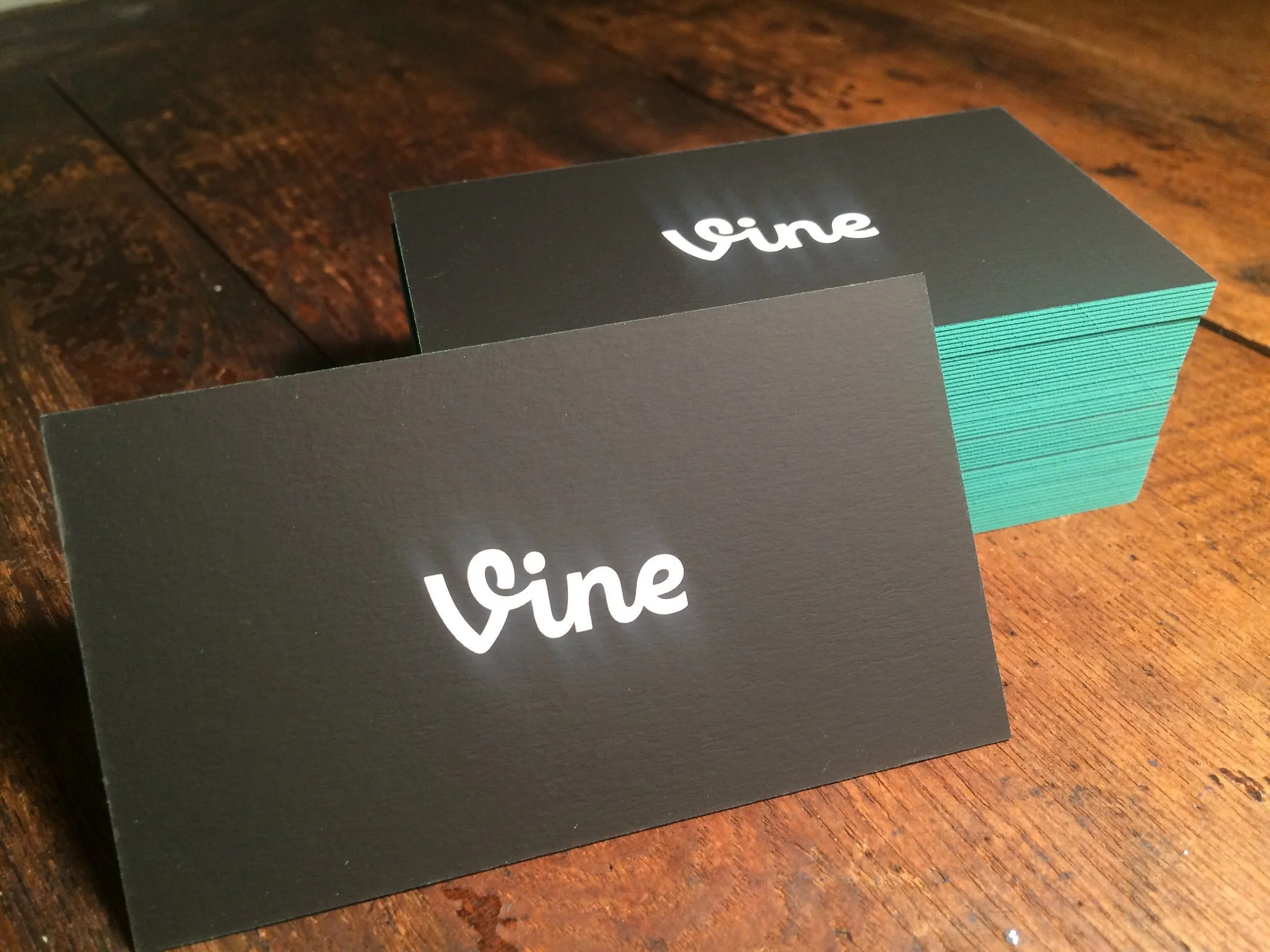




Black Paper Hangtags
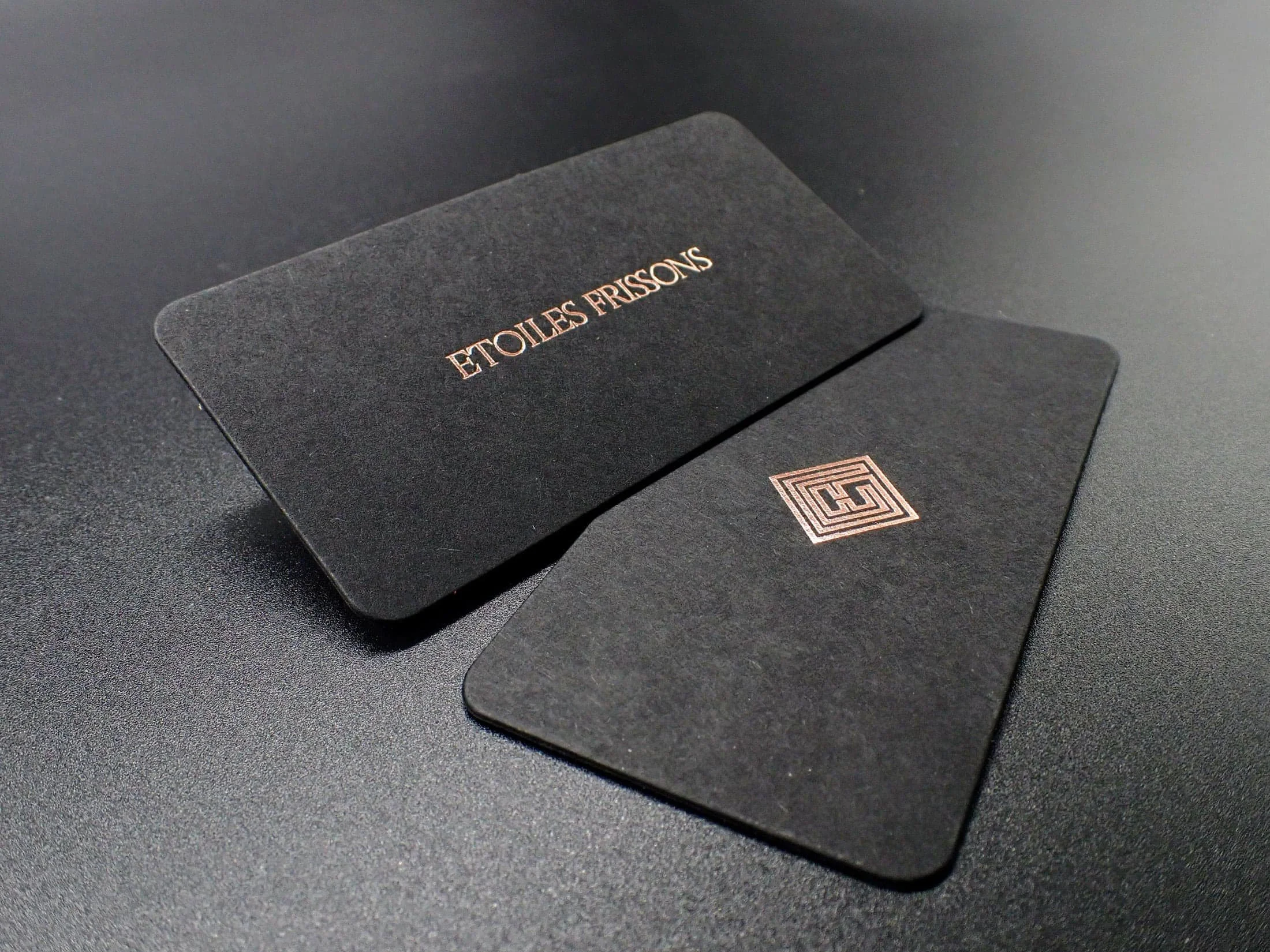
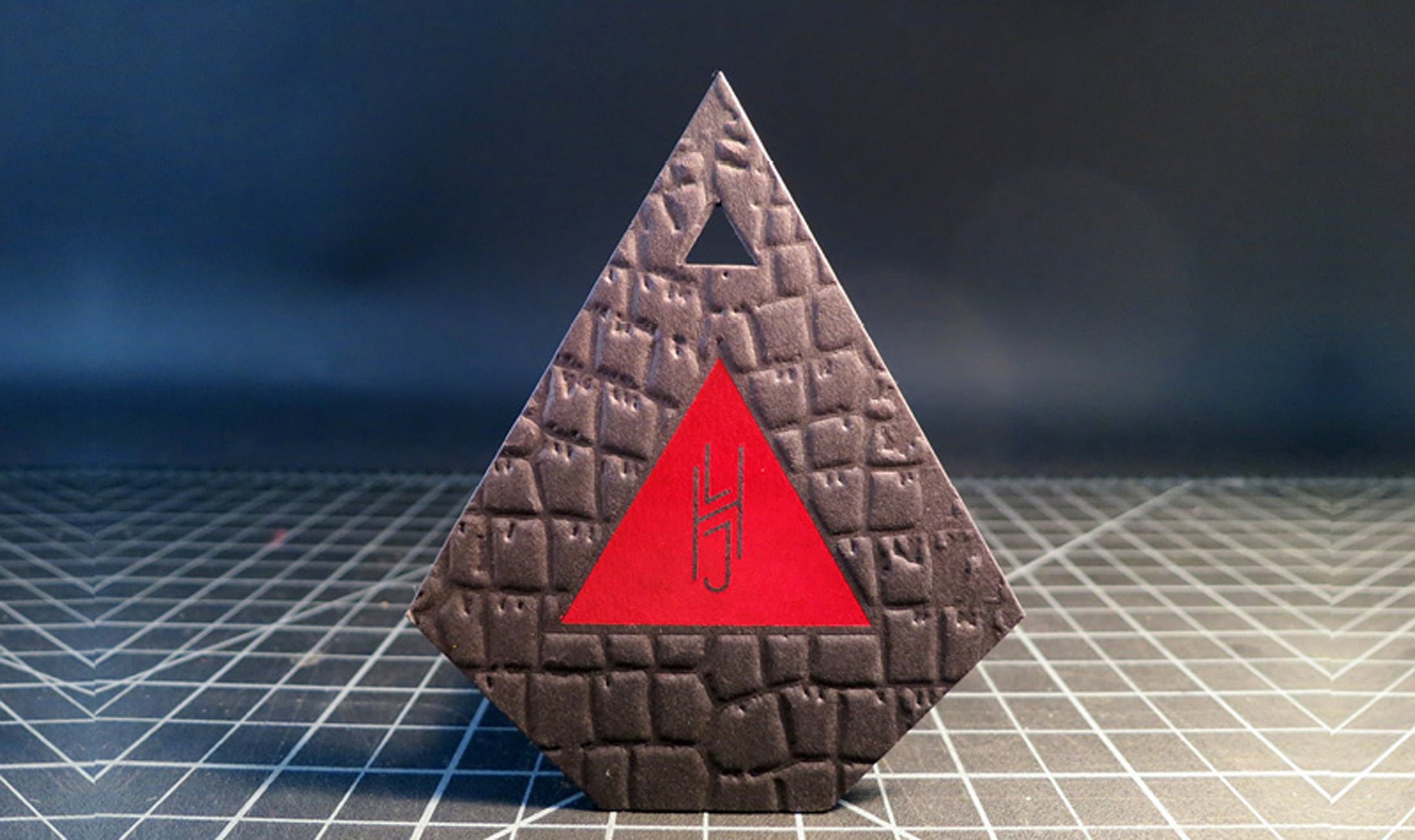
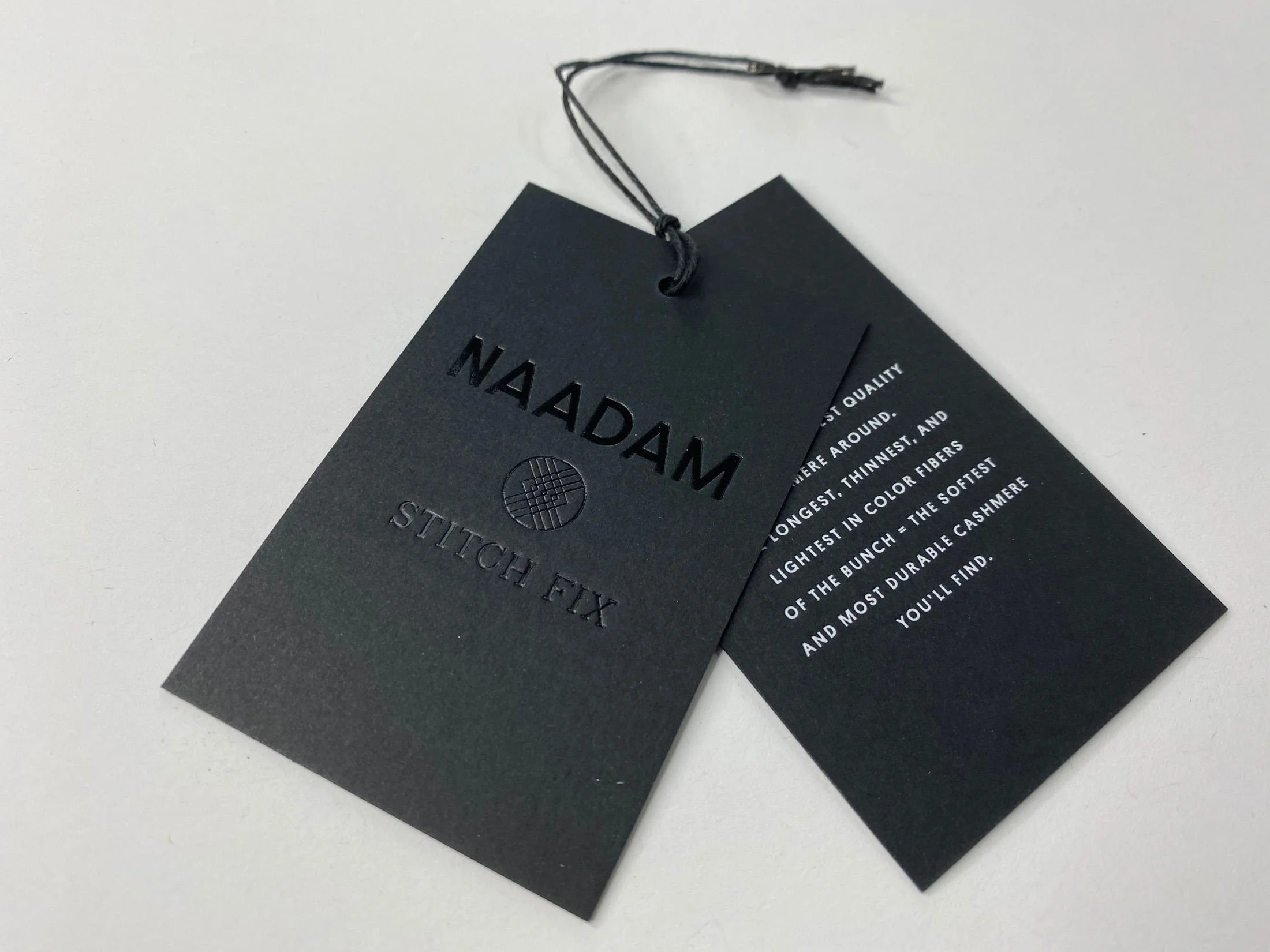
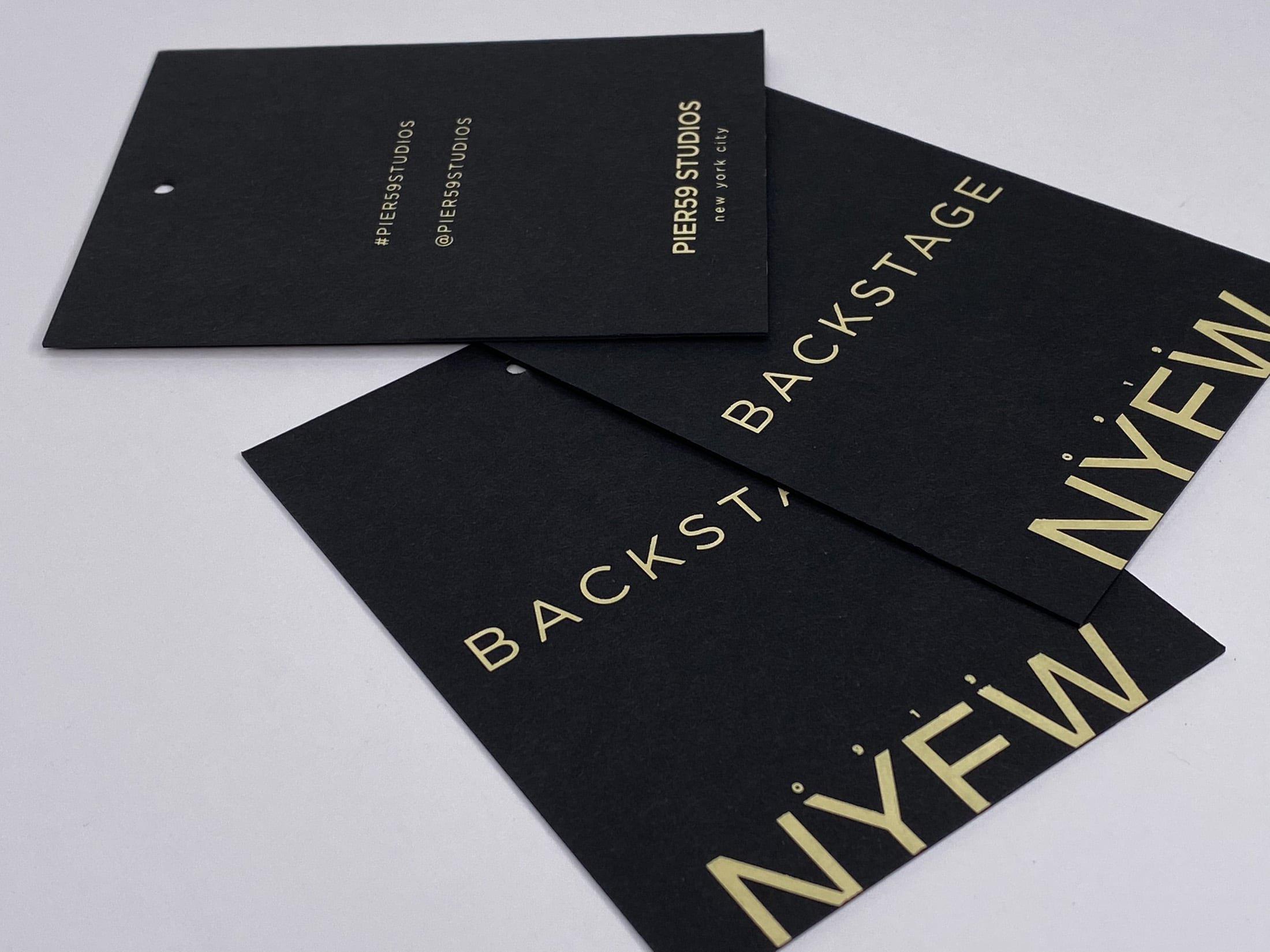
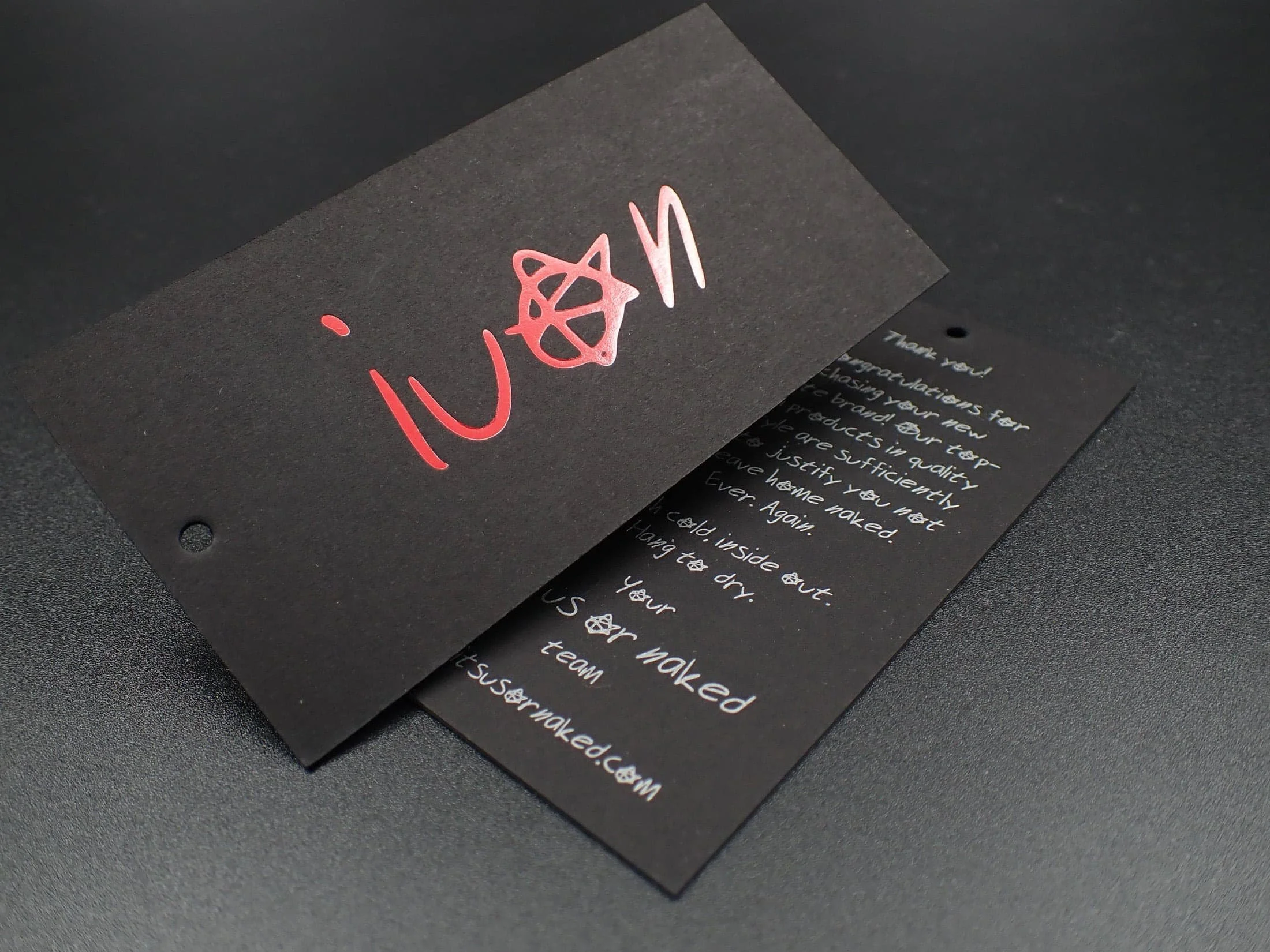
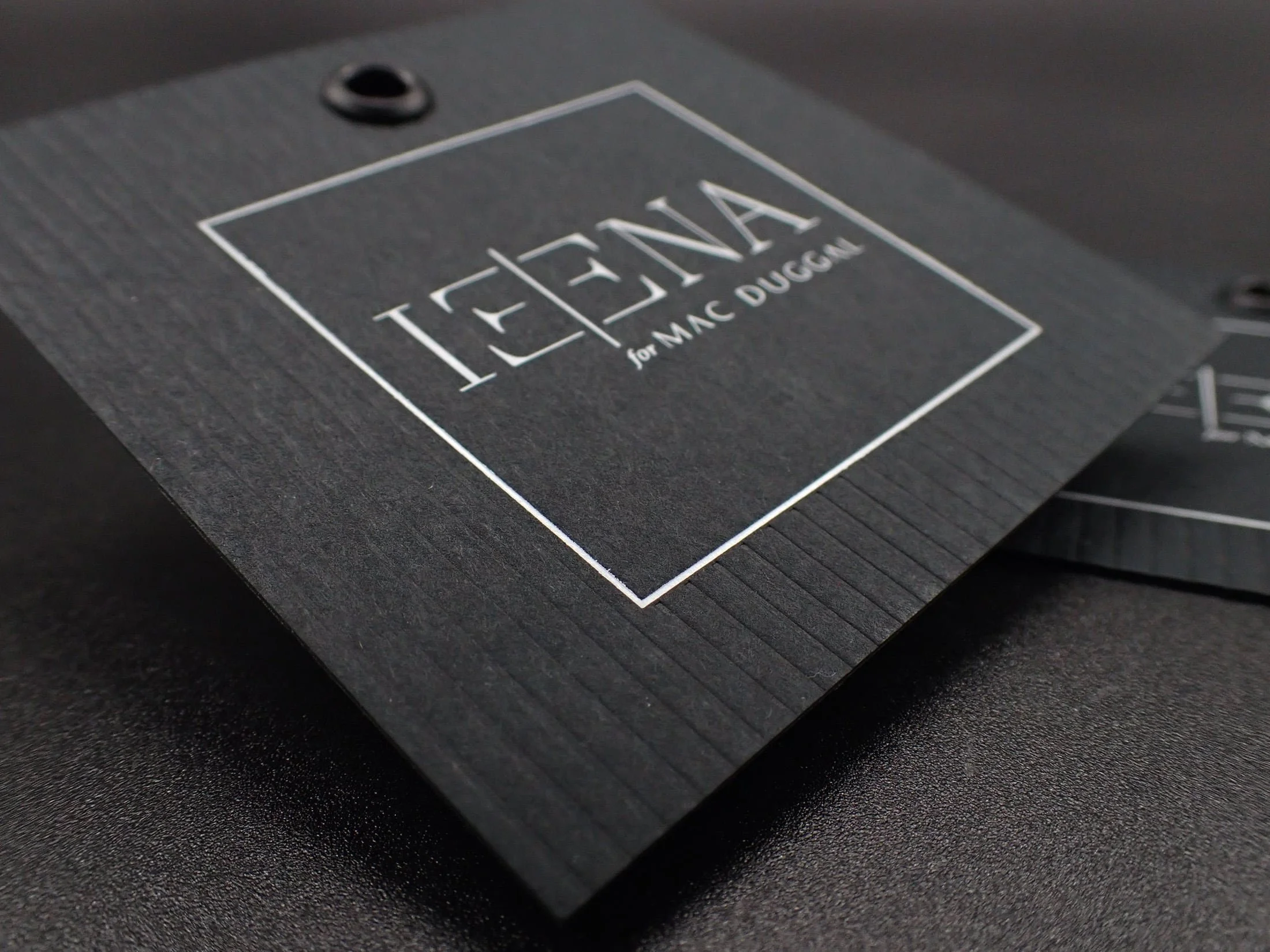
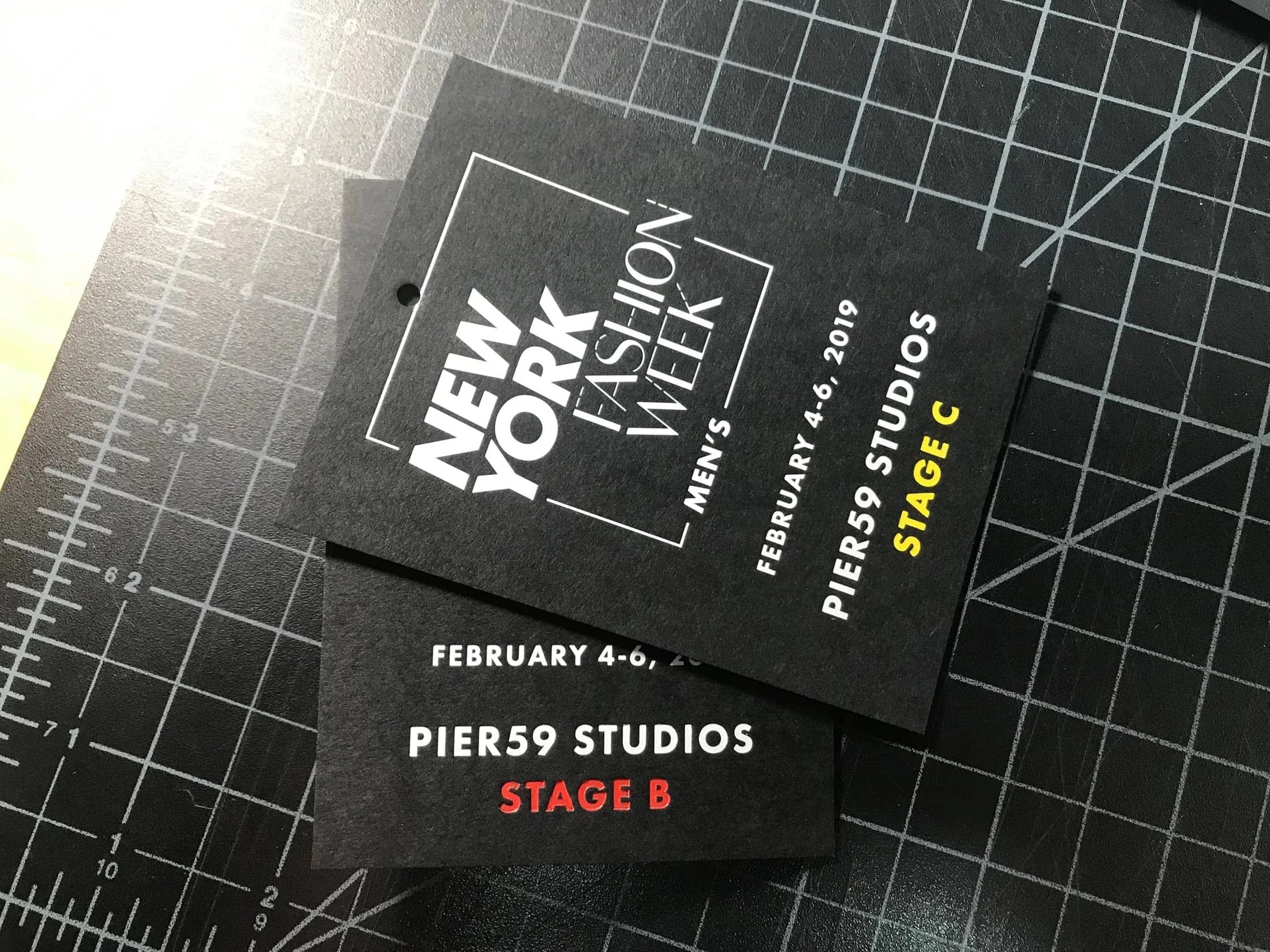
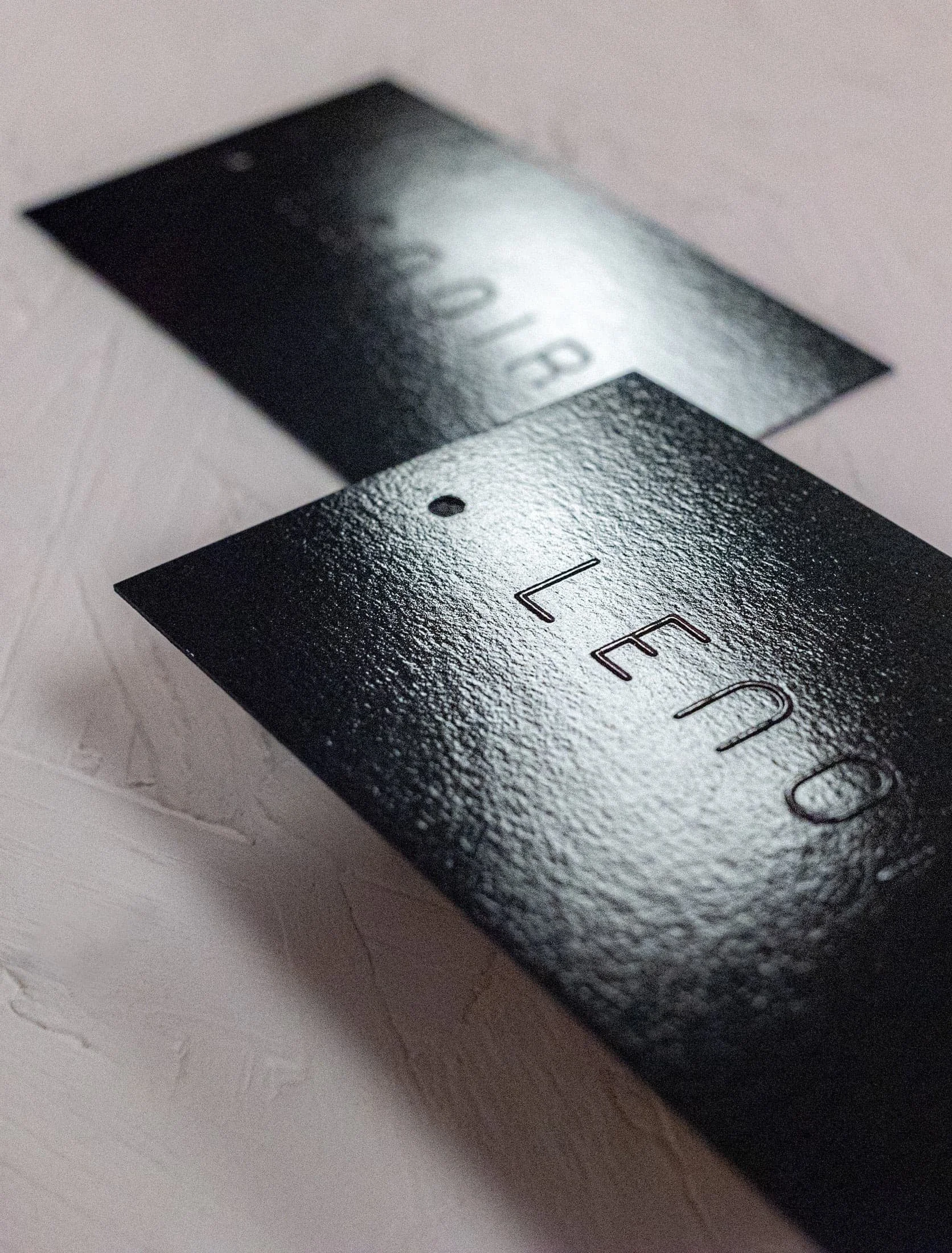
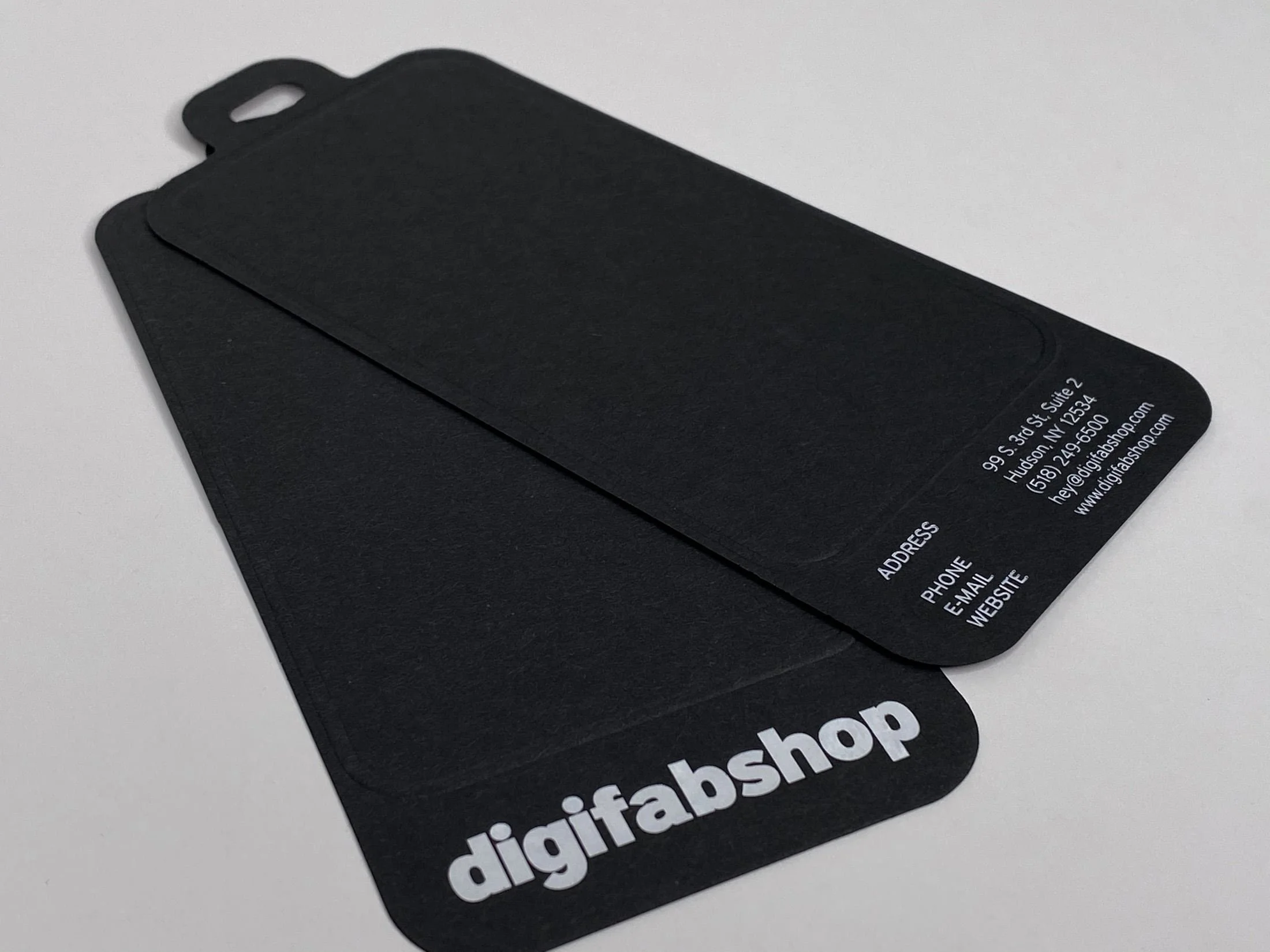
Black paper hangtags are designed for durability and repeated handling. White ink, foil, and embossing create clear, resilient marks that stay sharp through use and handling.

White Ink + Metallic Ink on Black Paper
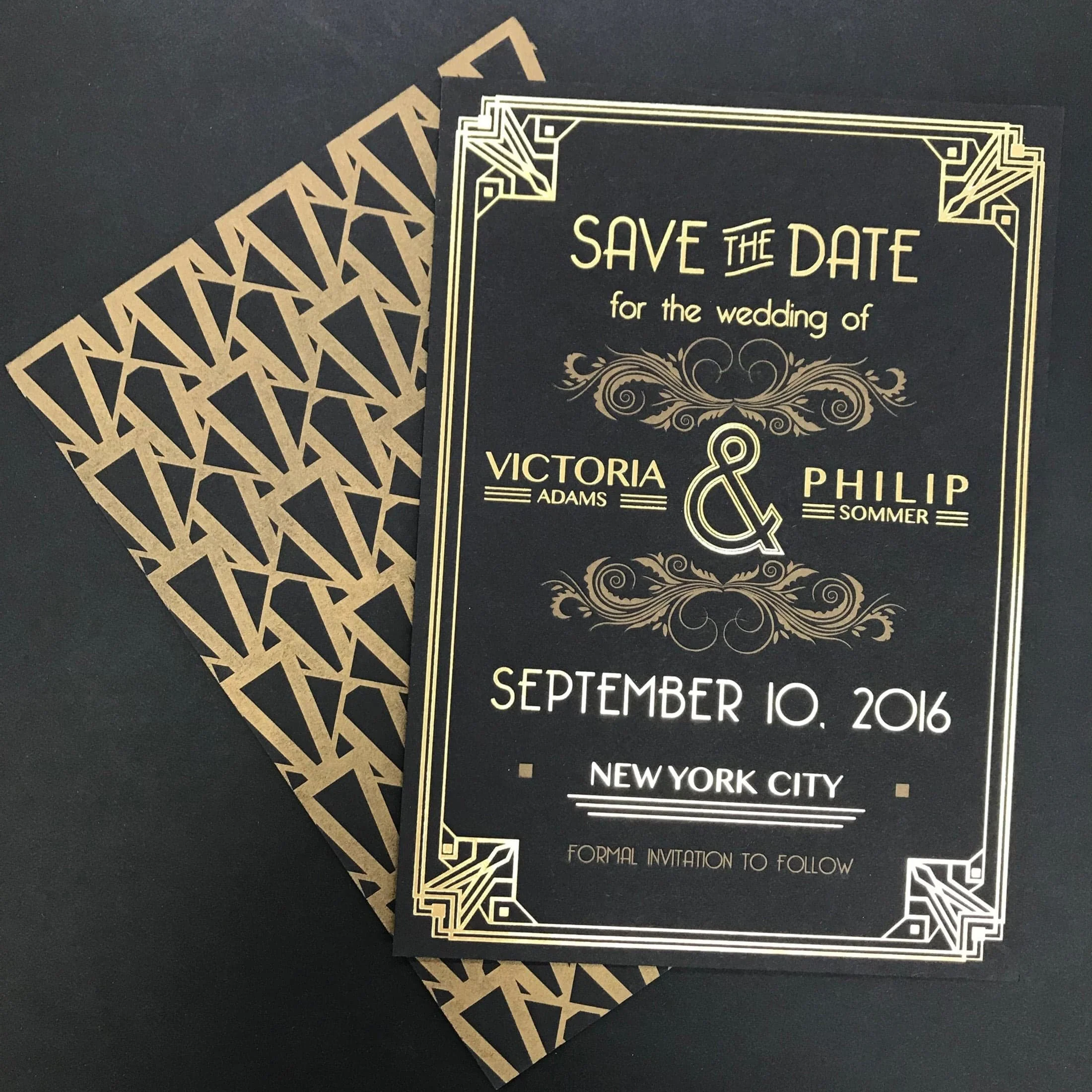
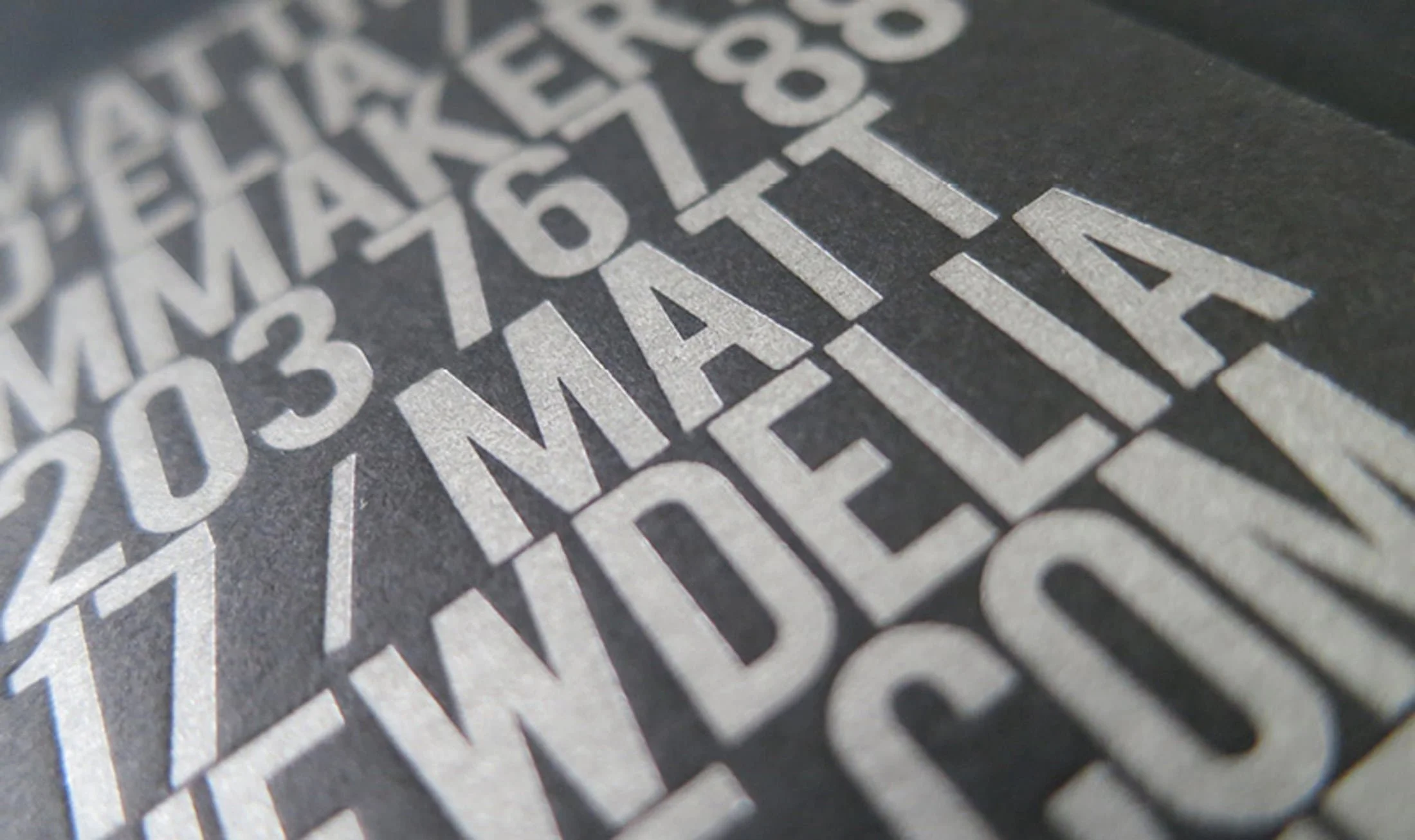
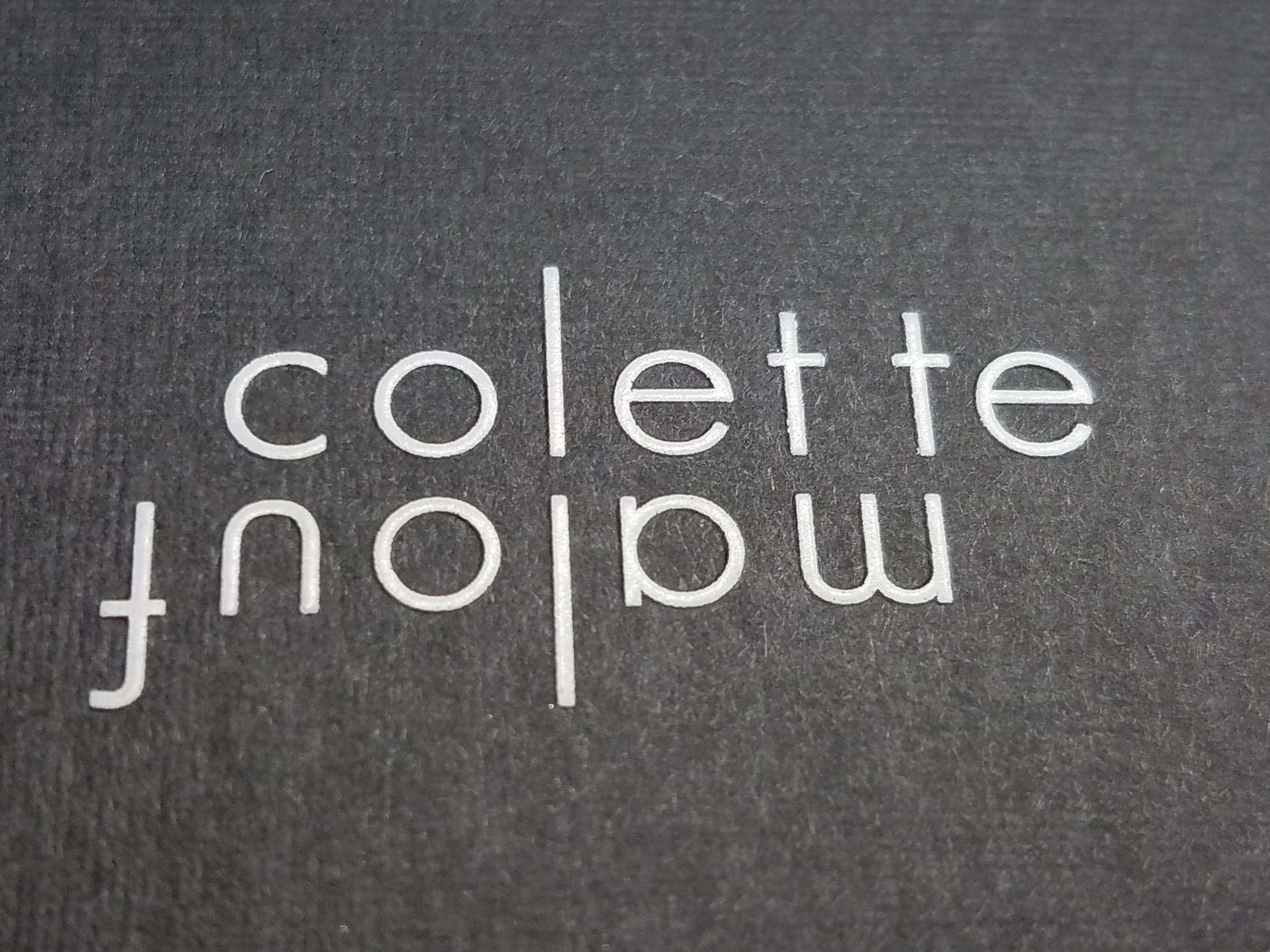
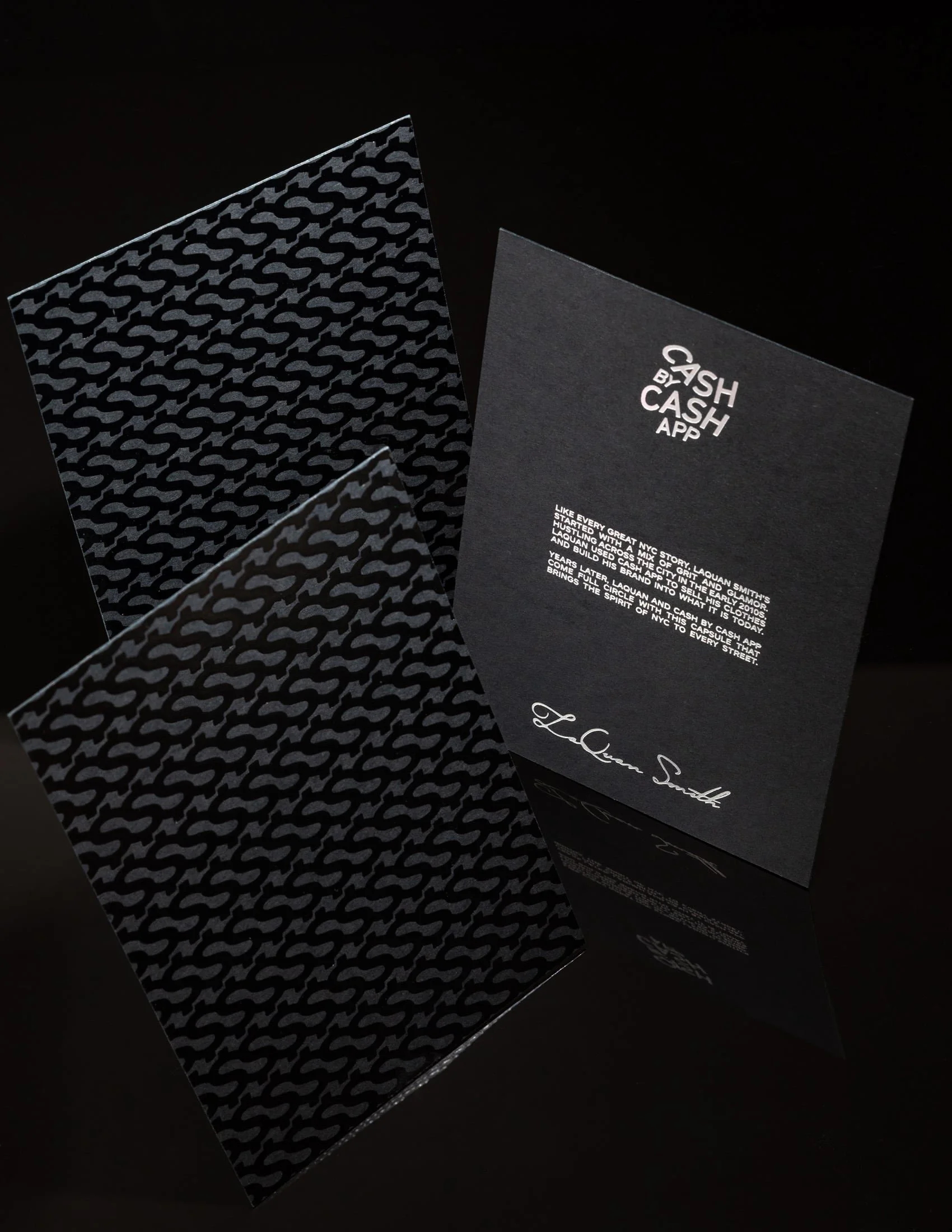
Metallic and white ink printing create contrast and legibility on black paper where standard inks disappear. From subtle typography to layered effects, these inks allow information to read clearly with depth and control.



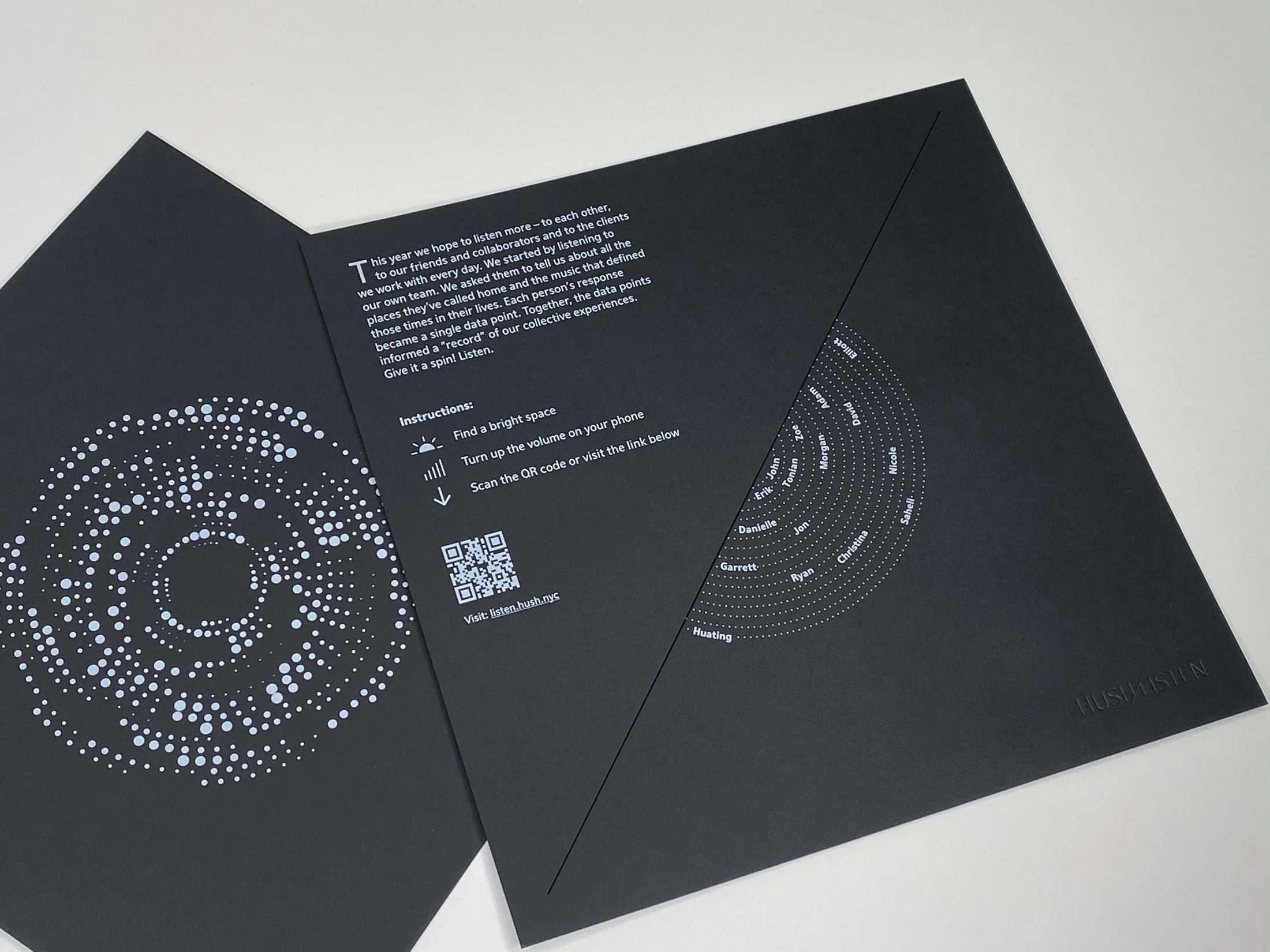
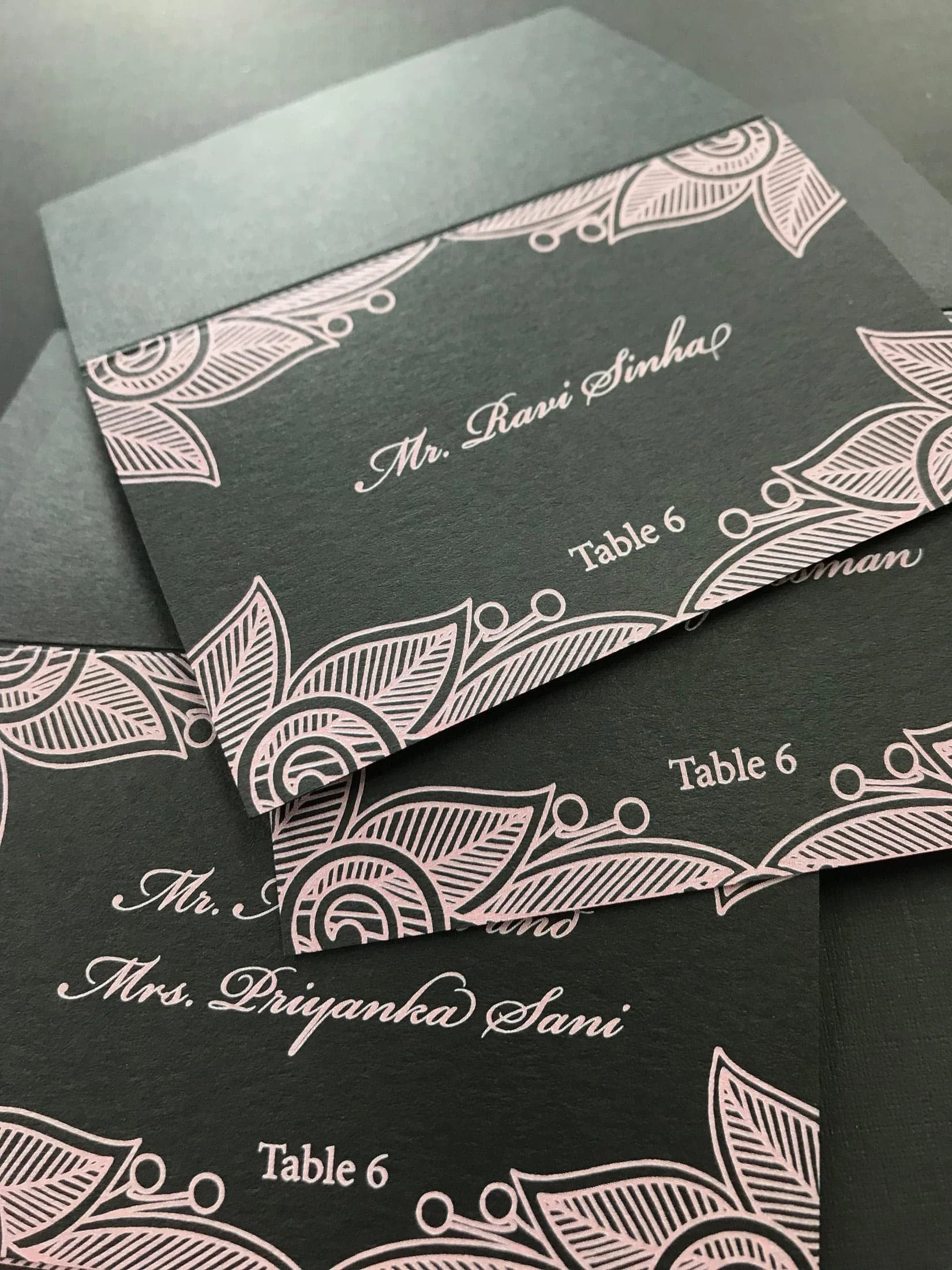
Black Paper with Emboss
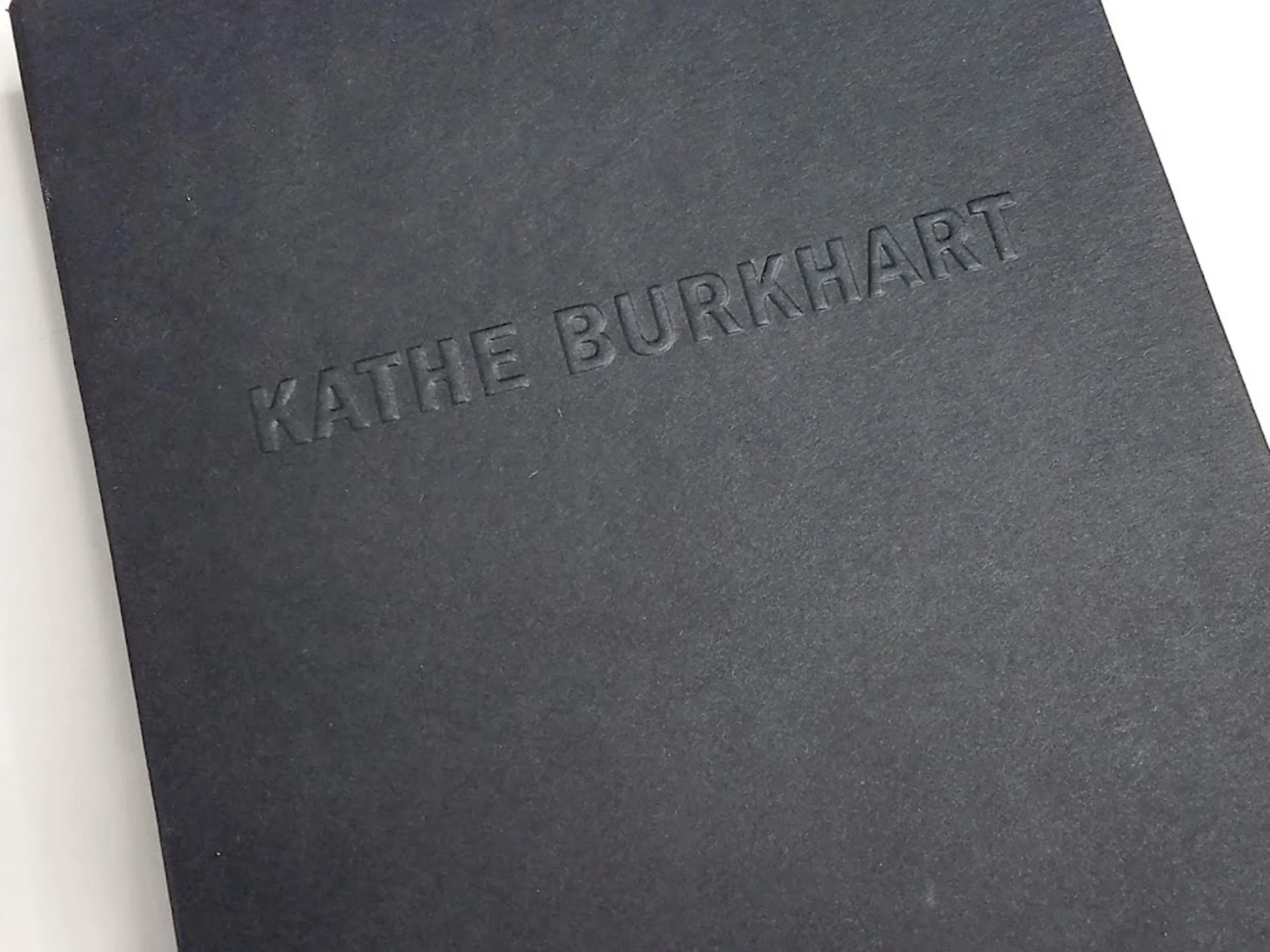
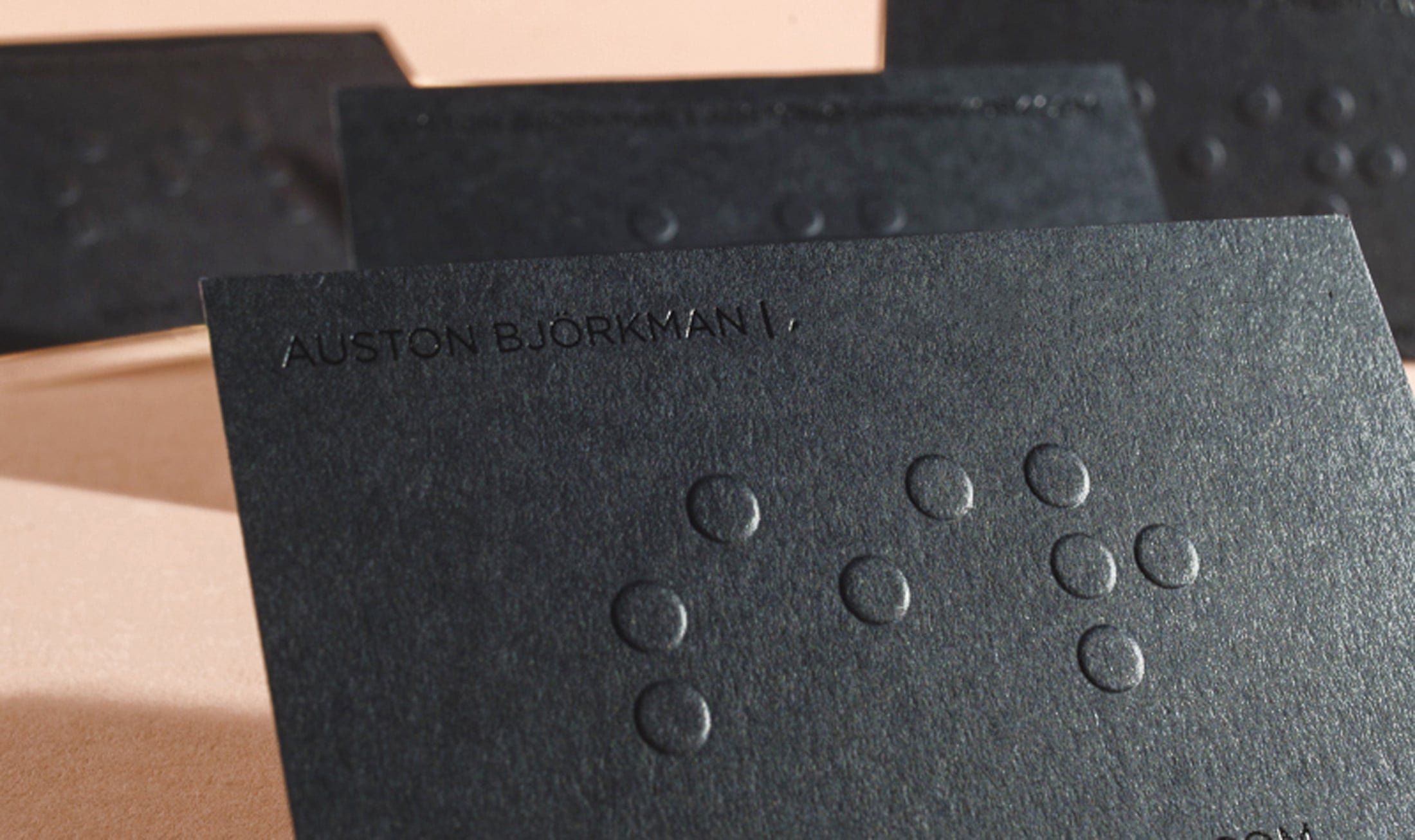
Embossing and debossing shape the surface of black paper, introducing depth without relying on ink. The result is a tactile, dimensional finish defined by light and shadow.
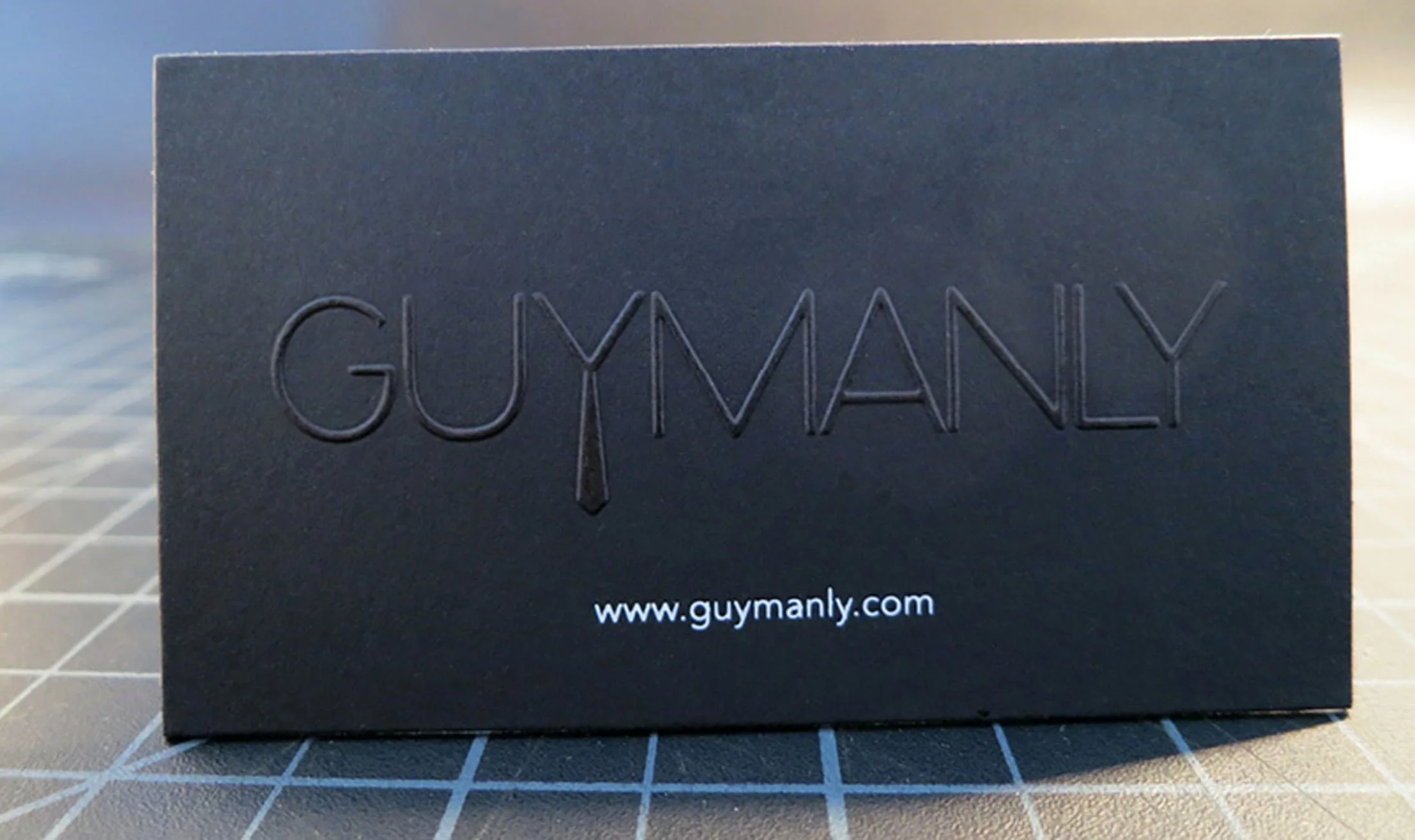
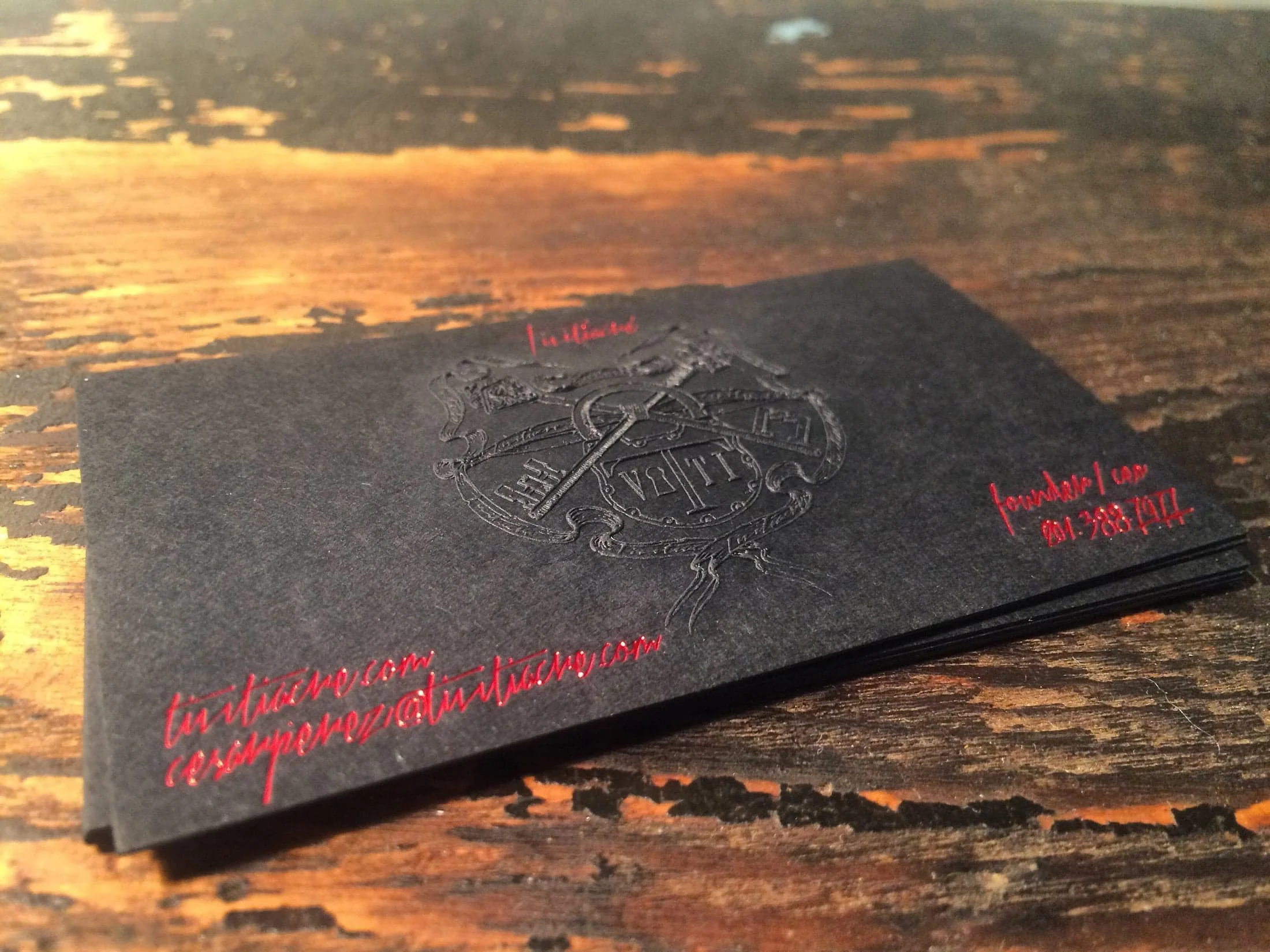

Black Paper Packaging
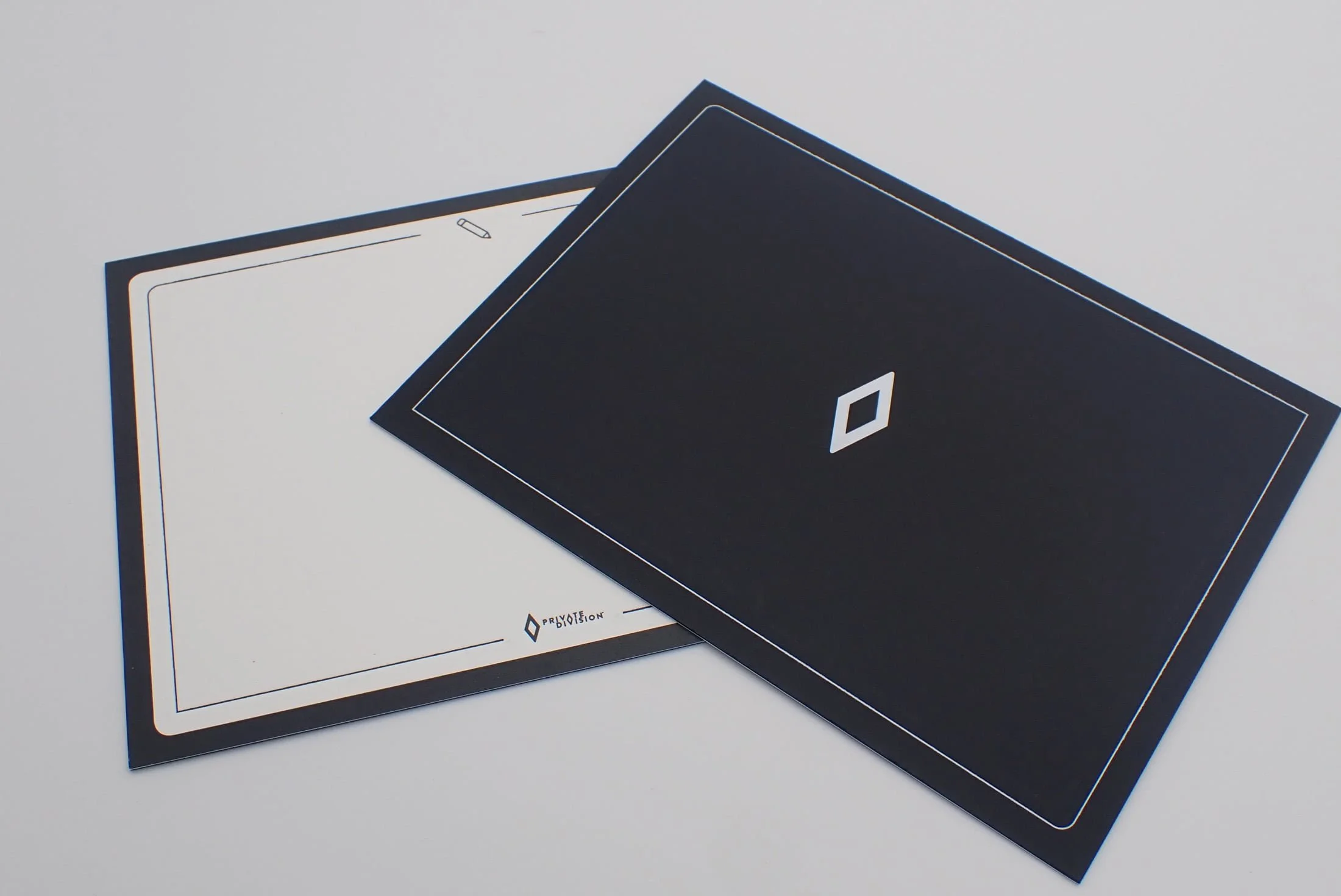
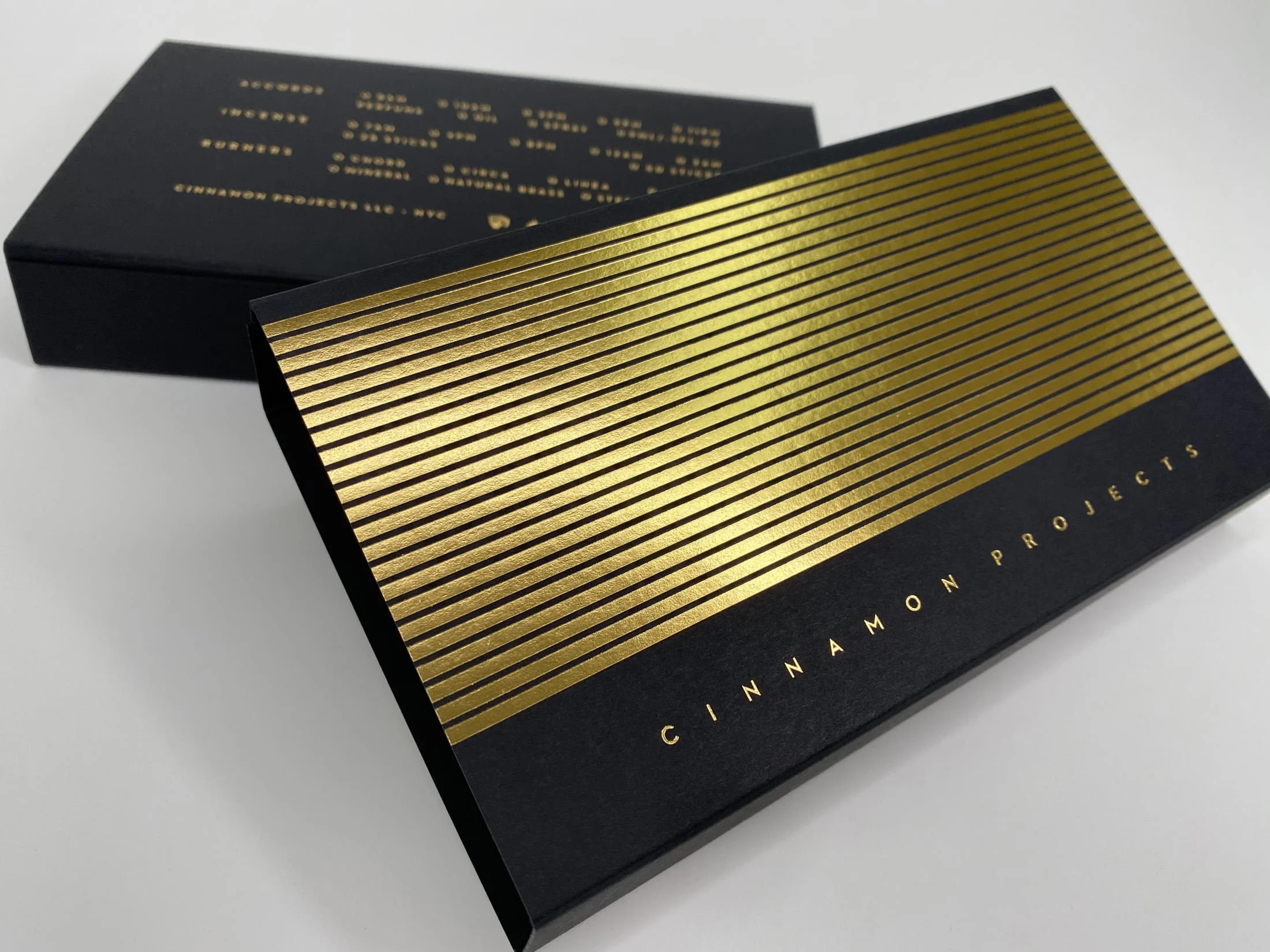
Black paper packaging brings together structure, material, and finish to create a cohesive object. Foil, embossing, and letterpress define surfaces, reinforce form, and carry detail across assembled pieces.

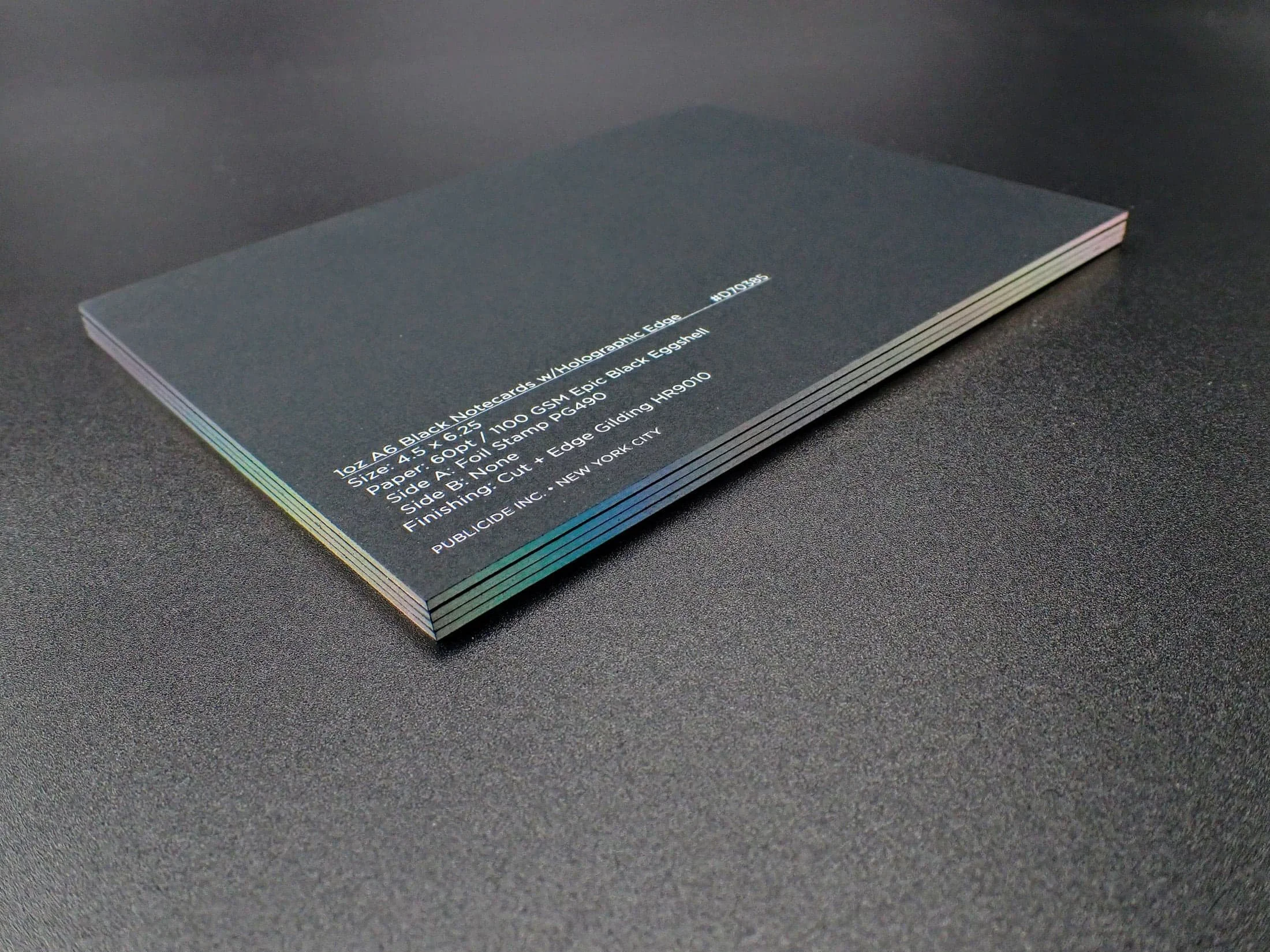
Black Paper Books
Black paper books require careful control of contrast, registration, and material. Metallic inks, foil, and embossing keep content legible while preserving the weight and presence of the object.